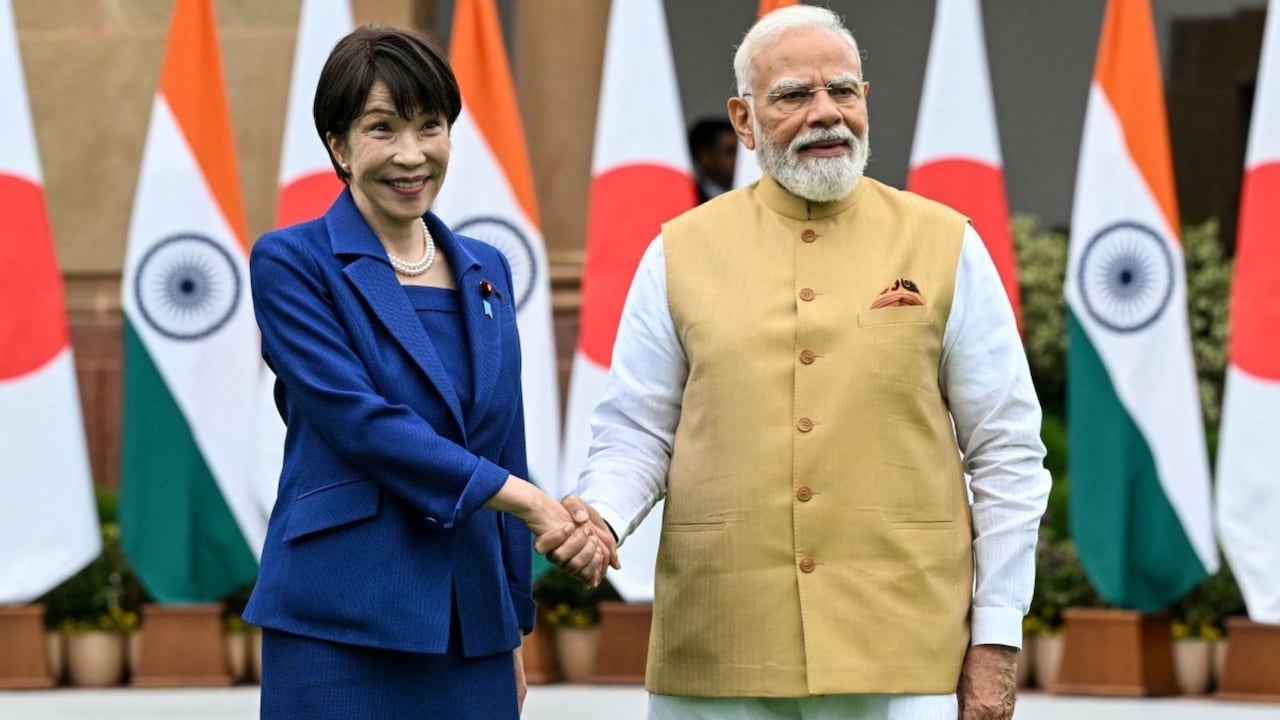
Big diplomatic meetings usually end with boring boilerplate statements and polite handshakes. But the July 2026 summit in New Delhi between Indian Prime Minister Narendra Modi and Japanese Prime Minister Sanae Takaichi didn't follow the usual script. Tokyo and New Delhi just redrew the tech map of Asia.
If you think this is just another generic trade agreement, you're missing the bigger picture. This isn't just about diplomacy. It's a direct response to a massive shift in global technology dominance.
Japan has the hardware edge. India has the software muscle. By linking them directly, both countries are trying to build an ecosystem that doesn't rely entirely on Western tech giants or Chinese supply chains.
What Just Happened in New Delhi
During the 16th India-Japan Annual Summit, Modi and Takaichi locked in a massive 10 trillion yen investment strategy over the next decade. That's roughly $62 billion heading into India's infrastructure, factories, and technology sectors. Takaichi, on her first official trip to India since taking office as Japan's first female prime minister, brought along representatives from over 150 Japanese firms.
They didn't just sign a single piece of paper. They rolled out three major framework agreements:
- The Joint Statement on Cooperation in the Field of Artificial Intelligence
- The Joint Declaration on Economic Security
- The Joint Statement on Energy Resilience
Modi didn't mince words about the partnership, calling it the strongest pillar of their cooperation. He pointed out that combining Japan's precision engineering with India's massive software workforce will fundamentally change how global software and hardware interact.
The Hardware and Software Marriage
For a long time, Japan and India operated in separate technology bubbles. Japan built incredible precision machinery, advanced robotics, and the specialized chemicals needed for microchips. India built the code, the platforms, and the massive data frameworks that run global businesses.
They need each other now more than ever.
Why India Needs Japan
India's digital push is massive, but it lacks the physical manufacturing base for silicon. The country wants to become a global chip hub but needs established semiconductor ecosystems to back it up. Japan offers direct access to the supply chains of critical minerals and specialized chip-making equipment that India can't manufacture locally yet.
Why Japan Needs India
Japan has a shrinking, aging workforce and a slower software development cycle compared to the US or China. To scale up automation and next-gen intelligence, it needs India's massive, young pool of engineers.
Breaking Down the Big Deals
The summit produced around 120 separate memorandums of cooperation. Looking past the official jargon, a few specific areas stand out.
Semiconductors and Critical Minerals
The two nations agreed to secure supply chains for chips and the raw materials needed to build them. Instead of relying on a single dominant source in East Asia, they're building a network for critical mineral exploration. This means Japanese chip equipment firms get direct entry into India's growing semiconductor plants.
Defence Technology
For the first time, India and Japan signed a co-development pact for defence hardware. They're starting with the Naval Radio Antenna 'Unicorn' system. It's a stealthy, unified communication mast for warships. Jointly manufacturing military tech is a massive policy shift for Tokyo, driven entirely by shared maritime security concerns in the Indo-Pacific.
Clean Energy and Biogas
Away from the high-tech labs, the agreement hits the ground in rural India. The new India-Japan Biogas Initiative plans to build 1,000 biogas and organic fertilizer plants across Indian villages. It marries Japan's green tech with India's massive agricultural footprint.
The Real Power Play Behind the Deal
Let's look at what's really driving this. This isn't just about mutual affection. It's about economic survival.
Washington and Beijing are locked in a massive tech cold war. The US restricts chip exports, and China locks down critical mineral supplies. Medium-sized economies risk getting crushed in the middle.
Japan faces direct economic security pressures right on its doorstep. India wants to avoid technology dependence on any single superpower. By building a direct axis between New Delhi and Tokyo, they create an independent technology bloc.
It makes perfect business sense. India offers the sheer scale of execution. Japan offers quality control and deep capital.
What This Means for Tech Professionals
If you work in software development, semiconductor engineering, or supply chain logistics, this policy shift will alter your career path over the next few years.
- Look out for joint ventures: Expect a wave of engineering partnerships between Japanese industrial giants and Indian tech enterprises.
- More hardware-software integration roles: The demand for engineers who understand both Japanese precision hardware systems and Indian enterprise software architectures will spike.
- Supply chain relocation: Companies will move data centers and chip assembly lines into India, backed by Japanese capital.
The strategy is clear. The agreements are signed. Now we watch how fast these two giants turn these high-level signatures into real factories and working code.