India just pulled off its most significant strategic move in Southeast Asia. During Prime Minister Narendra Modi’s visit to Jakarta to meet Indonesian President Prabowo Subianto, the two nations locked in massive defense agreements. We aren't talking about basic military exercises or superficial training pacts. Indonesia is officially buying India’s homegrown Astra air-to-air missiles and expanding its inventory of the fearsome BrahMos supersonic cruise missile.
If you've been watching New Delhi's quiet transformation from a major arms importer into an aggressive defense exporter, this moment shouldn't surprise you. But the scale and timing of this deal matter immensely. It signals a massive shift in how Southeast Asian countries plan to protect their sovereign waters and airspace without relying solely on Western hardware or buckling under regional pressure from Beijing.
The Hard Hardware on the Table
Let’s look at what Jakarta actually bought. The headline grabber is the BrahMos supersonic cruise missile, an Indo-Russian joint venture that travels at Mach 2.8. Indonesia is expected to bring home two entire batteries of the system, complete with launchers, guidance tech, and radar units. While early discussions capped the purchase lower, President Prabowo's administration doubled down on the acquisition.
The real surprise of the trip, however, was the Astra missile.
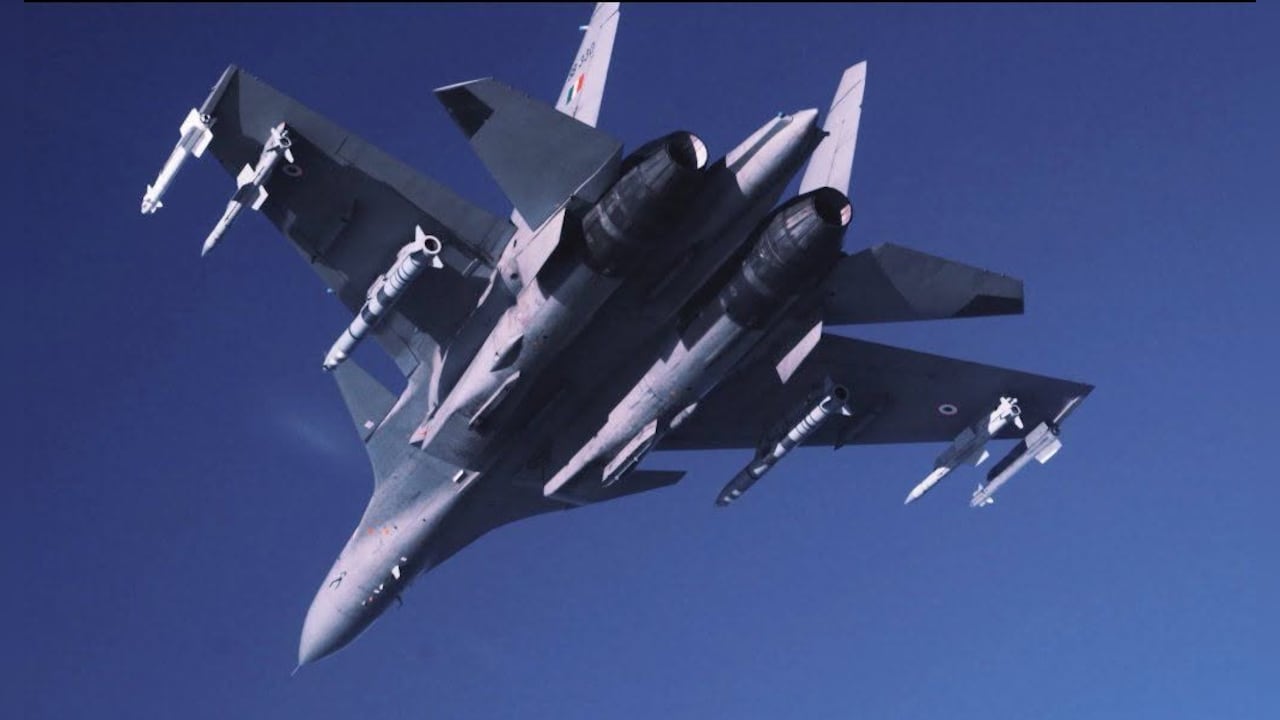
Developed by India’s Defence Research and Development Organisation (DRDO) and manufactured by Bharat Dynamics Limited, the Astra is a Beyond-Visual-Range Air-to-Air Missile (BVRAAM) capable of striking targets over 100 kilometers away. Indonesia operates Su-30 fighter jets, meaning the integration of the Astra will fit smoothly into their existing air fleet. This marks the first major international export of the Astra system, a massive win for India's domestic defense engineering.
The procurement follows the Astra's highly publicized performance during Operation Sindoor, which caught the attention of military planners globally. Jakarta saw it work, checked the price tag, and signed the contract.
Choking the Malacca Strait
The hardware is only half the story. The geography behind this partnership is what should keep opposing naval planners awake at night.
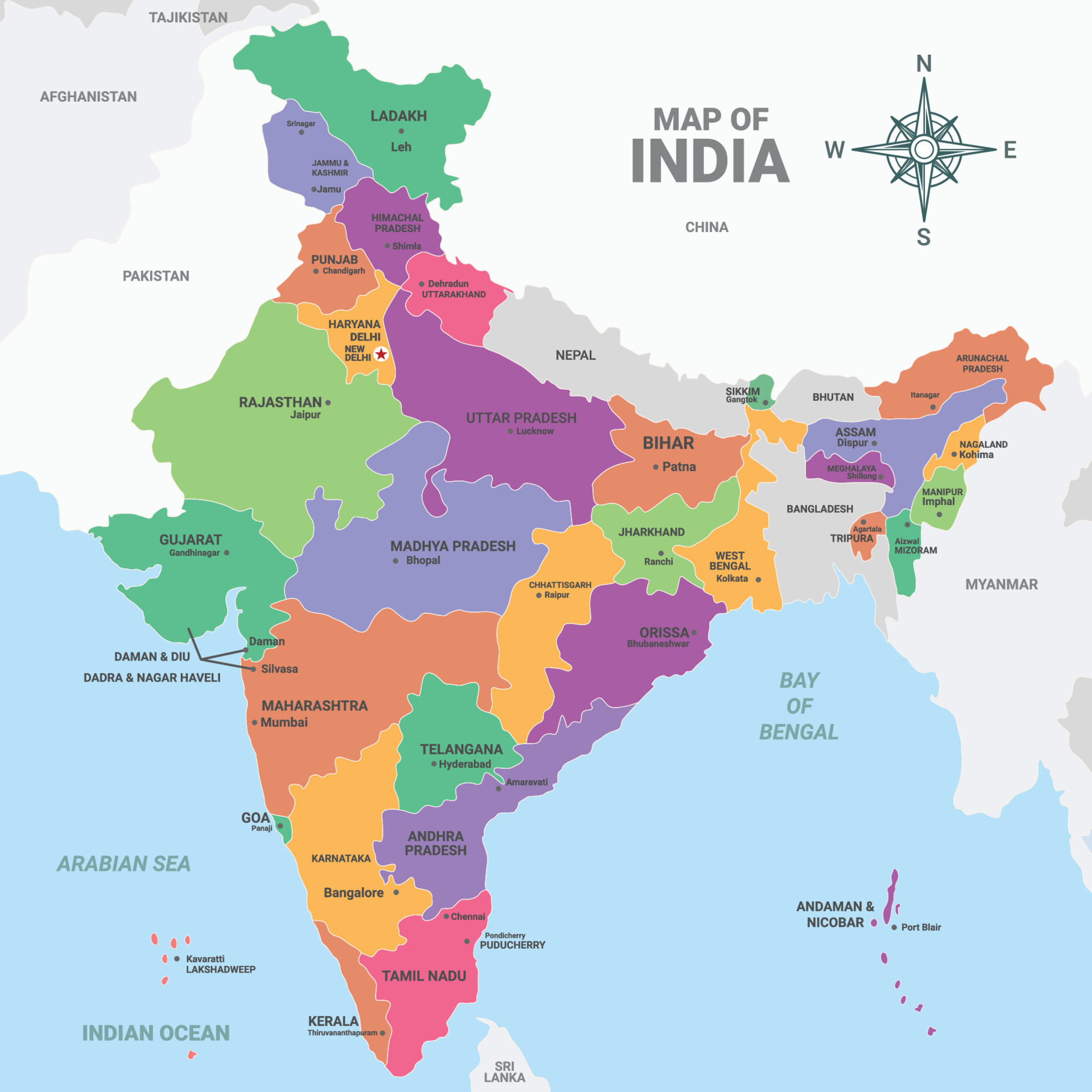
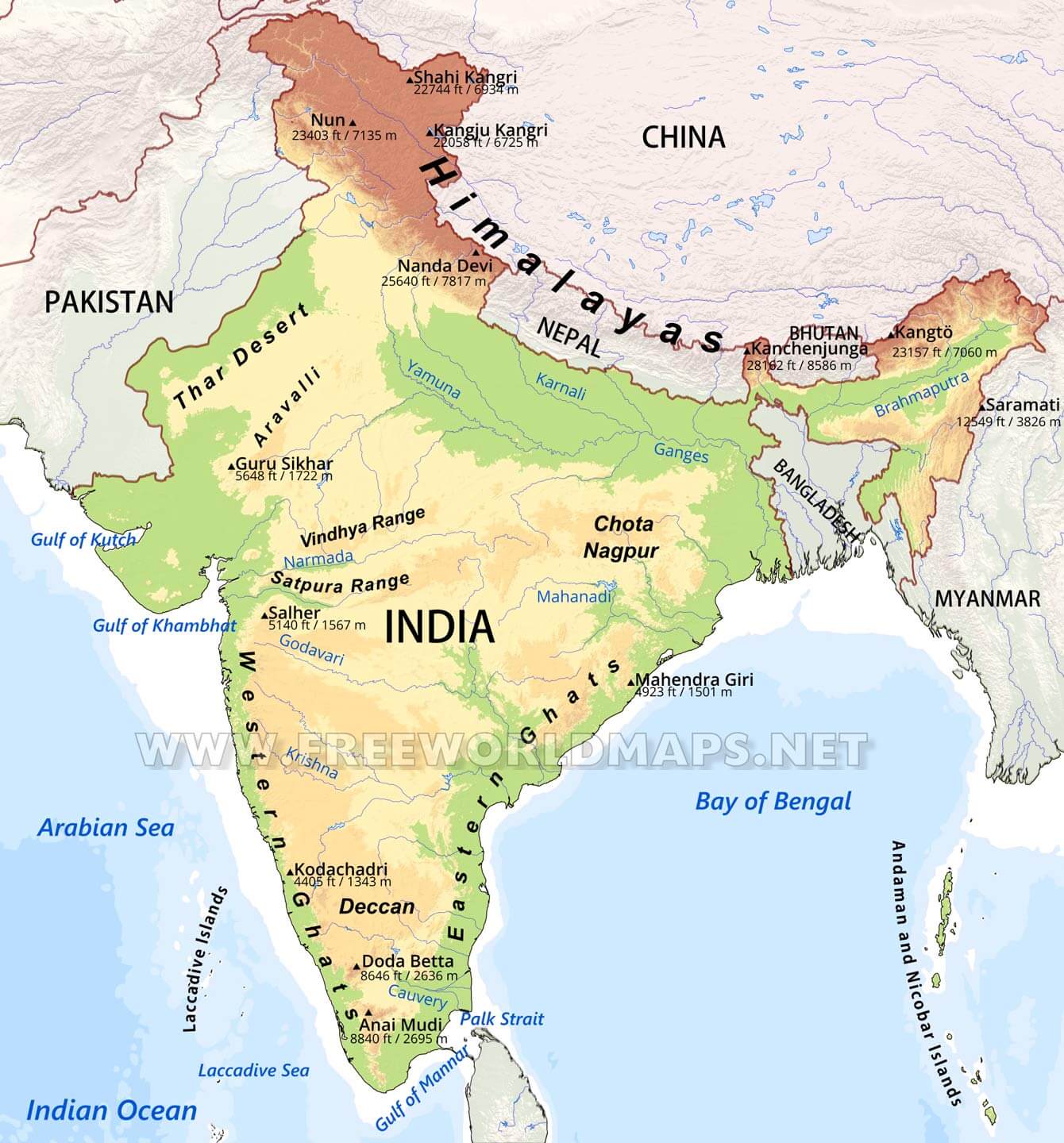
India and Indonesia agreed to jointly develop Sabang Port. If you look at a map, Sabang sits right at the mouth of the Strait of Malacca, the busiest maritime chokepoint on Earth. Around 22% of global trade and nearly a third of all seaborne oil pass through this narrow strip of water.
The Strategic Reality: Sabang Port is located a mere 100 miles away from India's ongoing massive port project in Great Nicobar.
By co-developing this facility, New Delhi and Jakarta are essentially locking down the western entry point of the strait. It gives the Indian Navy a highly functional logistics footprint right at the edge of Southeast Asia while providing Indonesia with a highly secure maritime anchor.
Securing More Than Just Borders
This bilateral visit wasn't restricted to military hardware. If you want to understand why this relationship is tightening so quickly, look at the supply chain agreements signed alongside the missile deals.
The two democracies signed roughly a dozen pacts. The most critical among them focus on technology, steel, and critical minerals. India is investing directly in Indonesian facilities to manufacture stainless steel, nickel, and rare-earth permanent magnets.
Why does this matter? Rare-earth magnets are the lifeblood of modern technology, running everything from electric vehicle motors to guidance systems in the very missiles Indonesia just purchased. By building out a parallel, secure supply chain outside of standard global monopolies, both nations are insulating themselves from future trade blockades or political extortion.
Here is a look at what else was packed into this visit:
- Digital Integration: India’s Unified Payments Interface (UPI) will integrate directly with Indonesia’s digital payment network, easing business and tourism.
- Education Footprint: The Indian Institute of Management (IIM) Bangalore is setting up an overseas campus in East Java’s Singhasari Special Economic Zone.
- Democracy Tech: India will help build Indonesia-specific Electronic Voting Machines (EVMs), a huge nod to New Delhi’s mastery over massive-scale election logistics.
What Most People Get Wrong About This Partnership
Foreign policy analysts often make the mistake of assuming these deals are part of a neat, Western-led alliance to contain China. They aren't. Neither India nor Indonesia wants to be a foot soldier in someone else’s Cold War.
President Prabowo stated clearly during the press briefing that Jakarta wants an Indo-Pacific region that is open, transparent, and bound by international law. It’s about strategic autonomy. Indonesia doesn't want to choose between Washington and Beijing. Buying weapons from India gives them high-tier deterrence without the political strings that come with American or European gear.
For India, it's the ultimate validation of its defense self-reliance push. Exporting the Astra and BrahMos positions New Delhi as a primary security provider in the region.
If you are tracking defense tech or geopolitical shifts in Asia, the immediate next step is to watch how quickly these missile batteries deploy along Indonesia's outer islands. The physical integration of the Astra into Indonesia's Sukhoi fleets will also serve as a crucial test case for India's ability to support foreign military clients long-term. Keep your eyes on the joint naval patrols near Sabang over the next twelve months; that's where the real impact of this deal will show its teeth.