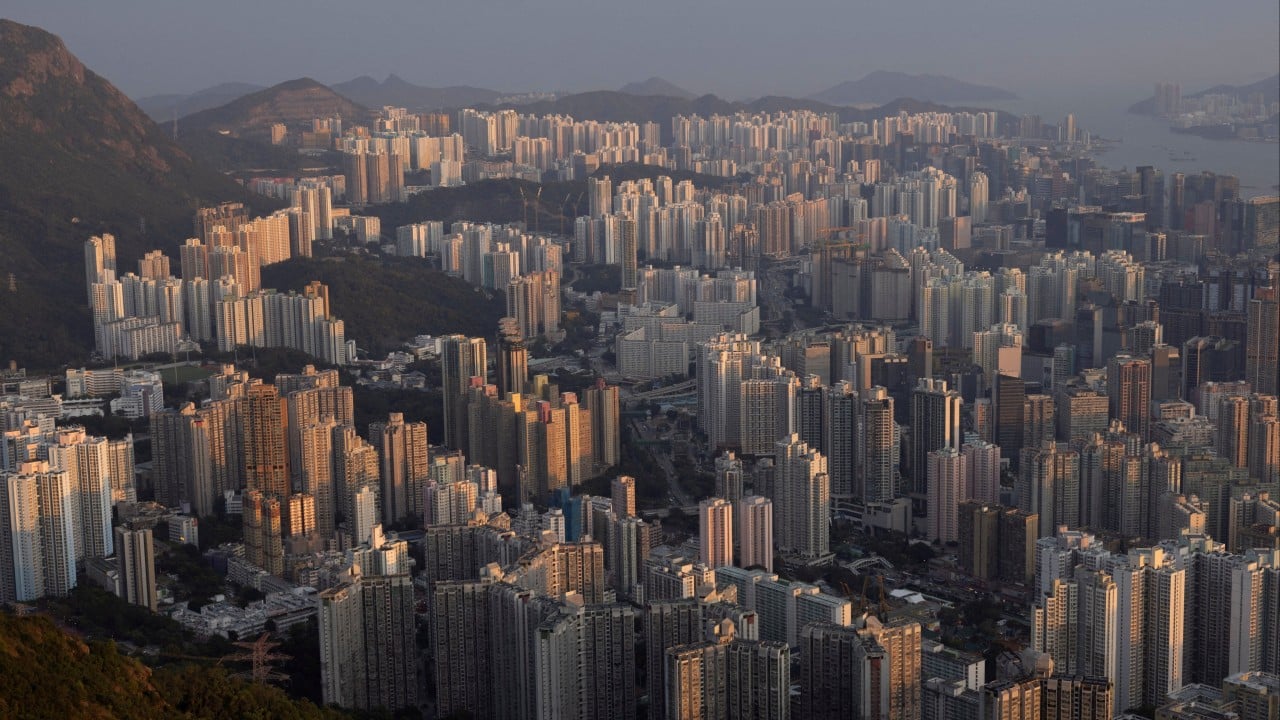
Hong Kong real estate is brutal. Everyone knows it. Spending your entire life savings on a cramped, suffocating studio apartment in Mid-Levels makes less sense by the day. If you are staring at a multi-million dollar price tag for a shoebox, you naturally start looking for an exit strategy.
That exit strategy is increasingly pointing south. Malaysia has emerged as the ultimate escape hatch for buyers who want actual space, a comfortable lifestyle, and a way to make their money work for them instead of draining away into rent or high-interest mortgages.
The trend is not just about finding a cheaper place to live. It is about a fundamental shift in how people view wealth and quality of life. Buyers from Hong Kong are realizing that the same money keeping them trapped in a tiny flat can buy a life of luxury elsewhere.
The Math Just Does Not Add Up in Hong Kong anymore
Let's look at the numbers because they don't lie. A decent landed property or a luxury apartment in Hong Kong can easily run you the equivalent of 10 million Malaysian ringgit. That is a staggering sum of money. In Hong Kong, that cash buys you a standard, unremarkable flat. You might get a view of another concrete tower if you are lucky.
Take that exact same 10 million ringgit to Malaysia.
You can walk into prime residential districts in Kuala Lumpur or beachside enclaves in Penang and buy a spectacular luxury condominium for 2 million ringgit. You get an infinity pool, 24-hour security, manicured gardens, and a massive footprint. Then you take the remaining 8 million ringgit and park it safely in a fixed deposit account.
At current interest rates, that remaining cash generates enough passive income to cover your daily expenses, your utility bills, and your occasional travel. You are basically set for life. You transition from a stressed-out worker bee to a comfortably retired or semi-retired expat enjoying the tropical weather.
The math makes perfect sense. Celebrities and high-earning professionals from Hong Kong figured this out a while ago. Actors like Hugo Ng famously made the move to Penang, trading a tiny rental space in Hong Kong for a 4,000-square-foot sea-view condominium in Tanjung Bungah for the exact same monthly cost. When you can get ten times the space for the same price, staying put looks like a bad financial decision.
Navigating the New Federal MM2H Rules
The regulatory framework for moving to Malaysia has changed significantly. The government revamped the Malaysia My Second Home program to categorize applicants into distinct tiers. This restructuring makes it easier to choose a path that fits your specific financial capability.
Understanding these tiers is essential before making any property investment commitments.
The Silver Tier
This is the entry-level option for buyers who want a foot in the door without locking up massive sums of capital. The Silver tier requires a fixed deposit of roughly 150,000 US dollars, which translates to about 675,000 Malaysian ringgit. Under this option, you get a 10-year renewable visa.
The property rule here is straightforward. You must purchase a residential property worth at least 600,000 ringgit. It is a fantastic option for younger professionals or middle-class retirees who want a solid secondary base without overextending themselves financially.
The Gold Tier
If you want more long-term security and a longer visa validity, the Gold tier steps things up. This tier requires a fixed deposit of 500,000 US dollars, or roughly 2.25 million ringgit. In return, you secure a 15-year renewable visa.
The property purchase minimum for the Gold tier sits at 1 million ringgit. This opens up options for larger family homes, spacious townhouses, or high-end condominiums in central business districts.
The Platinum Tier
Designed for ultra-high-net-worth individuals, the Platinum tier offers maximum privileges, including a 20-year renewable visa and rare permissions to conduct business or seek employment locally under specific conditions. The financial barrier is high, requiring a fixed deposit of 1 million US dollars, or about 4.5 million ringgit.
For the Platinum tier, your property investment must be valued at a minimum of 2 million ringgit. This is the realm of grand bungalows, exclusive penthouses in the shadow of the Petronas Twin Towers, or private waterfront estates.
Where the Smart Money Is Landing
Malaysia is not a monolith. Different regions offer entirely different lifestyles, and Hong Kong buyers tend to cluster in three main hotspots based on their personal goals.
Kuala Lumpur and the Klang Valley
If you love the energy of a major metropolis but hate the claustrophobia of Hong Kong, the capital city is the obvious choice. Neighborhoods like KLCC, Bangsar, and Mont Kiara are packed with expats. Projects like 8 Conlay or branded residences near the financial districts offer the same level of architectural sophistication you would find in Central or Tsim Sha Tsui.
The big difference is the breathing room. You can buy a premium residence within walking distance of high-end shopping centers and international schools for a fraction of what you would pay globally.
Penang Island
Penang is the spiritual favorite for many Hong Kongers. The cultural ties run incredibly deep. Walk down the streets of George Town, and you will hear Cantonese spoken everywhere. The local food culture is legendary, from street-side char kway teow to upscale cafes.
Buyers here love areas like Tanjung Bungah and Gurney Drive. You get to live right next to the ocean, look out at sandy beaches, and still enjoy modern medical infrastructure and top-tier international schools for your kids. It feels comfortable, familiar, yet infinitely more relaxed.
Johor Bahru and the Special Economic Zones
For investors and buyers who still need quick access to a financial hub, Johor Bahru is a strategic choice. Positioned right across the border from Singapore, this area allows you to benefit from the massive economic integration happening between the two countries.
Developments in designated Special Economic Zones often come with unique perks, such as relaxed minimum price thresholds or flexible developer-linked programs. It allows you to build a lifestyle base that is just a short train ride or drive away from Singapore's business center.
The Lifestyle Upgrades You Cannot Put on a Balance Sheet
A house is more than just four walls and a roof. When Hong Kong buyers migrate to Malaysia, they are purchasing an entirely different daily experience.
The education system is a massive draw for families. Hong Kong schools are notorious for high-pressure environments, intense competition, and eye-watering tuition fees for international curriculums. Malaysia offers an expansive selection of reputable international schools teaching British, American, and Canadian syllabi. The campuses are large, featuring proper football fields, swimming pools, and arts facilities that cramped Hong Kong schools simply cannot accommodate.
Then there is the healthcare. Malaysia consistently ranks as one of the top medical tourism destinations globally. The private hospital network is world-class, boasting Western-trained specialists who speak fluent English and Cantonese. You do not have to deal with the agonizing wait times of public systems, and the out-of-pocket costs are remarkably low.
Socially, the transition is smooth. Language barriers are practically non-existent in urban centers. English is the default business language, and the widespread use of Cantonese in places like Kuala Lumpur and Penang means you can order food, chat with neighbors, and do your daily shopping without feeling like an outsider.
Common Pitfalls to Avoid in the Malaysian Property Market
It is easy to get swept up in the excitement of low prices, but buying property abroad requires a cold, analytical eye. People make expensive mistakes when they assume the Malaysian market operates exactly like Hong Kong's.
First, do not ignore state-level regulations. The federal government sets the guidelines for programs like the MM2H, but individual Malaysian states retain ultimate authority over land and property ownership laws. For example, Selangor, Penang, and Johor all have their own specific minimum price thresholds for foreign buyers, and these can sometimes be higher or more restrictive than the baseline visa requirements. Always verify the state rules for the exact location you are targeting.
Second, understand the supply dynamics. Hong Kong suffers from a chronic shortage of land, meaning property values historically go up because space is scarce. Malaysia does not have a land shortage. New towers go up constantly. This means capital appreciation behaves differently here. You should buy primarily for lifestyle, retirement, or rental yield rather than expecting your property value to double in five years. Focus on prime locations with enduring demand.
Third, pay close attention to the lock-in periods. Under the updated residency frameworks, properties purchased to qualify for specific visa tiers often come with a 10-year lock-in period. You cannot simply flip the property three years later because you changed your mind, unless you are upgrading to an even higher-value asset. This is a long-term commitment, so choose a home you actually want to hold onto.
Your Actionable Roadmap to Making the Move
If you are ready to stop overthinking and start planning your exit from the Hong Kong property grind, you need a methodical approach. Do not hop on a flight and buy the first shiny condo a developer shows you.
Follow these steps instead.
- Audit Your Capital Availability: Determine how much liquid cash you can comfortably place into a Malaysian fixed deposit account without disrupting your emergency funds. This figure will dictate whether you target the Silver, Gold, or Platinum residency track.
- Select Your Geographic Focus: Spend a week or two living out of an apartment rental in Kuala Lumpur, Penang, and Johor Bahru. Experience the daily traffic, check out the local supermarkets, and visit the schools or hospitals. Figure out which speed of life suits your family.
- Engage an Authorized, Licensed Agent: The regulatory environment updates frequently, and paperwork errors can delay your visa approval by months. Find an established agent registered with the Ministry of Tourism, Arts, and Culture to handle your application submission.
- Conduct Independent Legal Property Checks: Before signing a Sale and Purchase Agreement with a developer or a secondary market seller, hire an independent local lawyer to verify the land title, confirm the foreign ownership eligibility, and check the developer's track record for completing projects on time.