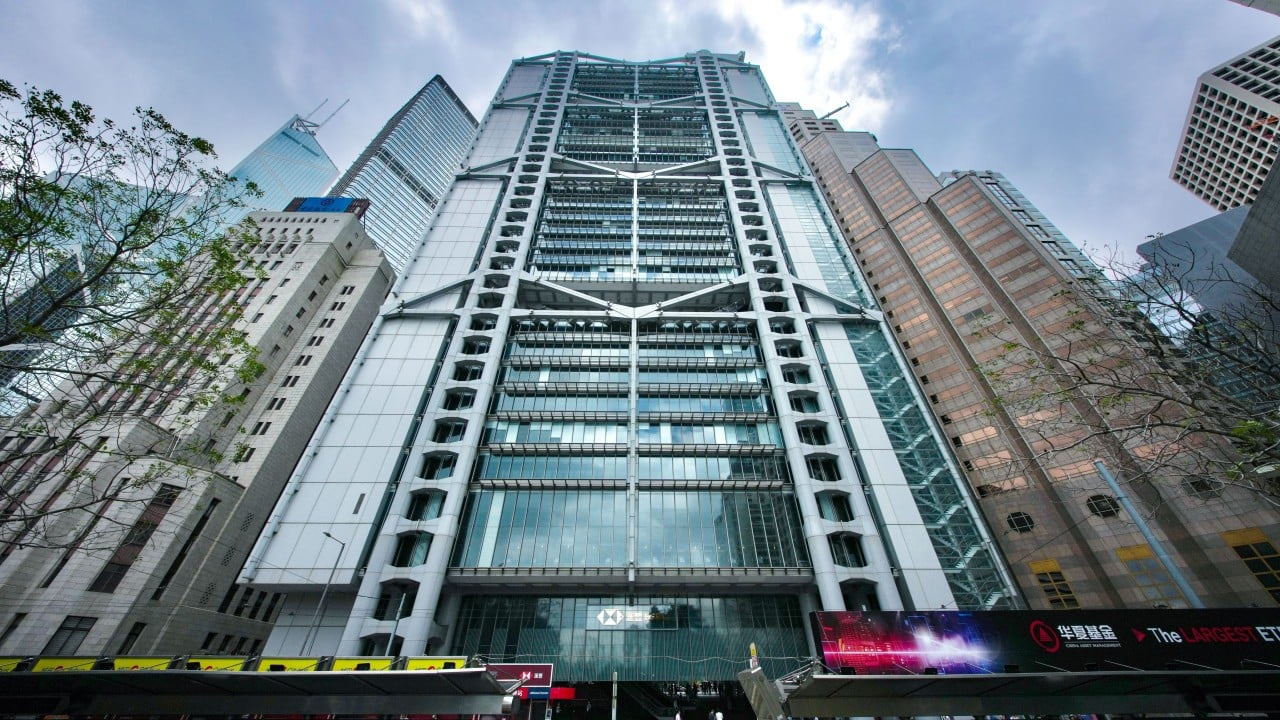
Retail investors in Hong Kong have long held a deep affection for HSBC. It’s the ultimate "widow and orphan" stock, loved for its reliable dividends and perceived stability. Yet, for years, a massive structural barrier has kept a generation of younger, less wealthy traders from buying in. That barrier is the clunky, outdated board-lot system.
Things are changing fast. The Hong Kong Exchanges and Clearing (HKEX) kicked off its phased board-lot reform on July 2, 2026. This isn't just a minor administrative tweak; it’s a radical overhaul that will force HKEX’s 2,700 listed companies to condense their trading units from over 40 confusing variations down to just eight standardized choices. For heavyweights like HSBC, this means the entry price to buy a single lot is about to plummet, completely rewriting the liquidity dynamics of Hong Kong's most famous banking stock.
The Brutal Math Holding Retail Investors Back
If you want to buy HSBC shares on the Hong Kong Stock Exchange right now, you can’t just buy one or two. You have to buy a full board lot, which is currently set at 400 shares.
Let's look at the numbers. With the stock trading around HK$154, a single board lot requires an upfront cash outlay of roughly HK$61,600 (nearly US$7,900). For an institutional fund, that’s couch money. For a twenty-something retail investor trying to build a portfolio, or a retiree trying to reinvest their savings, it’s a massive roadblock.
This high entry barrier forces smaller players into the "odd lot" market, where shares are traded outside standard units. Odd lot trades are notorious for horrible liquidity, wide bid-ask spreads, and penalizing execution prices. It’s a bad deal all around, which is why many retail investors simply choose to stay away entirely.
Lowering the Ceiling to Spark a Trading Boom
The HKEX reform directly attacks this problem. The new framework introduces a strict board-lot value ceiling of HK$50,000 for any company utilizing trading units larger than 100 shares. It also slashes the minimum board-lot value floor guidance from HK$2,000 down to HK$1,000.
Because HSBC’s current lot value of over HK$61,000 breaches that new HK$50,000 ceiling, the bank will be forced to restructure its lot size. To comply with the mandated eight standardized options (1, 50, 100, 500, 1,000, 2,000, 5,000, or 10,000 shares), HSBC will likely have to cut its lot size down to 100 or 50 shares.
If HSBC shifts to a 100-share lot size, the minimum investment drops to around HK$15,400. If they drop it to 50 shares, the entry point falls to a mere HK$7,700.
Suddenly, the stock becomes accessible to a massive pool of capital that was previously locked out. When you make it four to eight times cheaper to trade a stock, retail volume inevitably surges.
Beyond Retail: The Real Institutional Liquidity Play
Don't fall into the trap of thinking this is only about small-time retail investors. Increased retail participation changes the entire microstructure of a stock.
More retail orders mean a tighter bid-ask spread and a more continuous flow of liquidity throughout the trading day. Institutional algorithmic traders and market makers feed on this retail flow. When retail volume ticks up, institutions adjust their models to trade more aggressively, creating a compounding effect on total turnover.
We've seen this play out globally. When major US tech giants execute stock splits, the fundamental value of the company doesn't change, yet liquidity and trading velocity frequently jump because the lower absolute dollar price invites massive options trading and retail interest. HKEX's board-lot reform brings that exact mechanism to Hong Kong, without requiring companies to go through the corporate hassle of a formal stock split.
The Timeline and What You Should Do Next
This isn't happening overnight, but the clock is ticking. The reform started its first phase on July 2, 2026. The next critical milestone hits on November 16, 2026, with the launch of the Uncertificated Securities Market (USM) scripless scheme. Once a company enters this digital scheme, it has a strict six-month window to migrate to the new standardized board lots.
If you are an investor holding HSBC or looking to build a position, stop looking at the high entry price as a permanent fixture. Expect a massive influx of liquidity and potential upward pressure on the stock's turnover as the six-month migration window progresses toward 2027.
Prepare your portfolio now by calculating your target allocation based on the upcoming lower thresholds. Keep a close eye on HSBC’s formal announcements regarding their transition date to the scripless system, as that will give you the exact timeline for when the trading volume bump will truly kick into high gear.