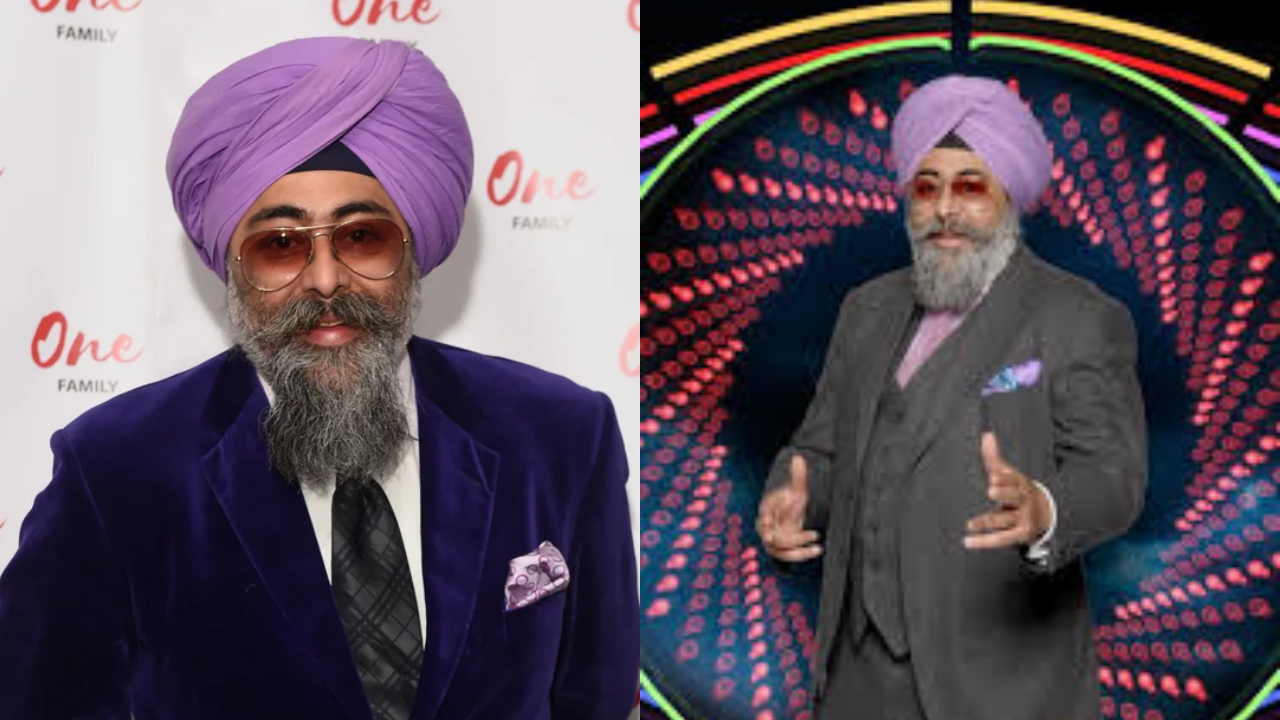
The upcoming Hardeep Singh Kohli trial is a stark reminder of how slowly the wheels of justice turn when famous names are involved. For years, whisper networks in the British comedy circuit and broadcasting circles traded stories about the former BBC presenter. Now, those stories have solidified into a massive criminal indictment in Scotland. A judge at the High Court in Glasgow just set a definitive date for his trial, and the sheer scale of the accusations is staggering.
We aren't talking about a single isolated incident or a minor misunderstanding. The state has put forward 20 separate charges involving five different women, stretching across a fifteen-year period from 2006 to 2021. Kohli, now 57, denies everything. His legal team entered formal not guilty pleas and even lodged a special defence of consent for several of the allegations. But the fact that this case is finally heading to a full jury trial means the prosecution believes they have a rock-solid roadmap of systemic misconduct.
Inside the heavy indictment facing the former BBC star
The details laid out by Scottish prosecutors paint a dark picture of alleged behavior that went unchecked for a decade and a half. It hits right at the heart of major institutions. One of the earliest complaints involves an alleged indecent assault right inside the BBC Scotland studios at Pacific Quay in Glasgow between 2006 and 2008, alongside a separate incident at a Radisson hotel where he allegedly grabbed a woman.
The timeline keeps moving. Prosecutors allege another indecent assault and sexual act at the Cross Keys Hotel in Dumfries and Galloway back in 2008. Then comes an allegation from the University of Edinburgh in 2011. Another follows at the former Yes Bar in Glasgow in 2016.
The most severe part of the indictment focuses on a single woman between 2020 and 2021. Here, Kohli faces five distinct charges of rape. The crown alleges that the final assault happened while the victim was heavily intoxicated, drifting in and out of consciousness, and utterly unable to give consent. It doesn't stop at physical assault either. The state has tacked on charges of coercive control and domestic abuse over a two-year window. They claim Kohli demanded intimate photos, tracked her movements, locked her out of his flat, and forced her to give him money.
Why institutional blindness kept this under wraps for so long
To understand why this matters right now, you have to look at the broader context of British media. Kohli wasn't just some fringe act. He was a mainstream fixture. He built a career as the lovable, turban-wearing Scottish-Punjabi intellectual on BBC's The One Show, a finalist on Celebrity MasterChef, and a loud voice on Celebrity Big Brother. He was part of the media furniture.
That status gave him massive leverage. In the entertainment industry, power dynamics dictate everything. If a researcher or a young comic spoke up, they risked killing their career before it even started. We saw a flash of this in 2009 when the BBC quietly suspended Kohli from The One Show for six months following a researcher's complaint about inappropriate behavior. What happened next? Very little. He was back on television and radio platforms shortly after.
Institutions regularly protect their top talent until the public relations math no longer works in their favor. It took an investigative report by The Times in 2020, where multiple women broke their silence, to finally kickstart the police investigation that led to his arrest in 2023.
The long road to the High Court in Glasgow
If you're wondering why a trial for a 2023 arrest is taking this long, welcome to the realities of the modern judicial system. The legal machinery moves at a crawl. Managing a 20-count indictment with five separate complainers requires an enormous amount of preparation from both the defense and the crown.
At the recent procedural hearing in Glasgow, defense advocate Sarah Livingstone made it clear they are fighting every single point. Because the defense submitted a special notice of consent for several charges, the trial will heavily depend on shifting definitions of consent and how historical evidence is presented to a jury.
Lord Renucci scheduled the official trial to begin on October 1, 2027. Yes, you read that right. The legal teams need well over a year from this point just to get the pieces on the board. For the women involved, it means holding their breath for another long stretch before they can state their case in front of a jury.
What happens next for the media industry
This case isn't happening in a vacuum. It follows a predictable, exhausting pattern we've seen with major media figures across the UK over the last decade. The trial will likely force another uncomfortable conversation about how major networks handle internal complaints.
If you want to track the progression of this case and understand the legal boundaries of coercive control and historical abuse charges in Scotland, watch how the crown structures its witness list. The inclusion of institutional locations like the BBC studios means workplace safety policies from the late 2000s will be dragged directly into the spotlight.
Keep an eye on the official Scottish Courts and Tribunals Service rolls as the October 2027 date approaches. Legal arguments regarding the admissibility of older evidence will likely happen months before the actual jury sits down.