The final hotel-style doors clicked open at 2 PM on a quiet Sunday afternoon in Omaha, ending a grueling 42-day ordeal for the remaining Americans caught in a global health scare. The federal hantavirus cruise ship quarantine at the University of Nebraska Medical Center is officially over. Government officials are busy patting themselves on the back for containing a nightmare scenario. Yet, beneath the clean press releases lies a deeply messy reality of legal battles, political irony, and a terrifying look at how fast your personal liberty can vanish when a rare pathogen hops aboard a vacation vessel.
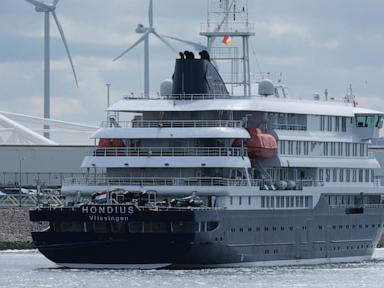
Eight American passengers walked out of the National Quarantine Unit on June 21, 2026, breathing fresh air for the first time in six weeks. They were part of a larger group evacuated from the MV Hondius, a Dutch cruise ship that became a floating hot zone in the South Atlantic. A total of 13 people contracted the virus during the voyage. Three of them died. While most passengers around the globe have scattered back to their home countries, this final group of Americans had to sit out the maximum incubation period in a specialized facility in the Midwest. Meanwhile, you can find other developments here: Why Northern First Nations Are Still Left Fending For Themselves During Wildfires.
The Reality Behind the Hantavirus Cruise Ship Quarantine
It sounds like a movie plot. You book a high-end expedition cruise to see the dramatic landscapes of the South Atlantic, only to end up locked inside a bio-secure hospital wing in Nebraska. The trouble started in May when a Dutch couple on board became severely ill after visiting South America. Health officials believe they were the initial point of exposure, inhaling dust contaminated with rodent droppings before boarding the MV Hondius.
When the ship finally triggered alarms, public health agencies moved with aggressive speed. Over 120 passengers were evacuated in Spain’s Canary Islands by teams wearing full protective gear. The Centers for Disease Control and Prevention shifted the American cohort straight to Omaha. Why Omaha? The University of Nebraska Medical Center houses the only federally funded National Quarantine Unit in the United States. It is a highly specialized facility built to handle the absolute worst public health crises. To see the bigger picture, check out the detailed article by Reuters.
The rooms themselves look surprisingly normal. They feature desks, flat-screen televisions, wireless internet, and exercise equipment. Staff tried to soften the blow of isolation by arranging daily food truck deliveries from local Omaha restaurants. Nurses even made regular Starbucks runs to bring passengers their favorite drinks. Travel blogger Jake Rosmarin, one of the quarantined passengers heading home to Boston, shared emotional videos thanking the local community for their kindness. He walked out of his room hauling his luggage and wearing a Nebraska Huskers sweatshirt gifted by a stranger.
But do not let the lattes and local hospitality fool you. For others inside the facility, the experience felt less like a protective sanctuary and more like a high-tech prison.
When Political Ideology Smashes Into Public Health
The most explosive aspect of this entire situation involves Angela Perryman, a retiree and wildlife photographer from Florida. While seven of the final passengers chose to stay at the Nebraska facility voluntarily to finish their observation period, Perryman was held under a strict, mandatory federal quarantine order. She did not want to be there. Her lawyers fought it. Even the medical reviewers at the CDC suggested she could safely return to Florida to finish her isolation at home.
Then politics entered the chat.
Health Secretary Robert F. Kennedy Jr. personally signed the order to keep Perryman locked down in Omaha. The federal government demanded that if Perryman went home to Florida, she must endure daily in-person monitoring with an armed guard stationed outside her house 24/7. Florida’s surgeon general, a vocal advocate for medical freedom, flatly refused to cooperate with those heavy-handed federal rules.
Because Florida refused to comply with the federal monitoring demands, the Department of Health and Human Services kept Perryman in Nebraska against her will. The situation highlights a massive contradiction. The current administration gained immense popularity by criticizing pandemic-era lockdowns and championing bodily autonomy. Yet, faced with a highly lethal outbreak, federal officials used the Public Health Service Act to enforce a mandatory isolation that overrode the recommendations of their own medical reviewers.
Perryman described being confined to her room for 23 hours a day, watching staff deliver her meals while wearing full-body protective gowns and face shields. She expressed deep alarm over the federal overreach, warning that the administration's ability to hold citizens despite favorable medical reviews should terrify every American.
Why the Andes Virus Scared the Federal Government
To understand why health officials panicked, you have to understand the specific science of the pathogen involved. Most hantaviruses found in North America, like the Sin Nombre virus, do not spread from person to person. You breathe in dried mouse droppings, you get sick, and the chain ends with you.
The MV Hondius outbreak involved a completely different beast. This was the Andes virus.
The Andes virus is a specific strain of hantavirus native to South America. It carries a terrifying trait that keeps epidemiologists awake at night. It can spread directly between humans through close contact. Combine person-to-person transmission with a mortality rate that hovers around 35 percent, and you have an agent of absolute chaos.
The incubation period is another massive hurdle. Symptoms can take up to 42 days to surface. That explains the extraordinary length of the Omaha lockdown. If public health officials had let the passengers scatter to their home states without ironclad monitoring, a single asymptomatic carrier could have sparked localized outbreaks across multiple states.
The federal government justified the extreme measures by pointing to this extreme lethality. HHS officials stated that the lack of local compliance from Florida made the federal quarantine order an absolute necessity to protect the wider public.
What Travel in 2026 Demands From You
The MV Hondius incident is an uncomfortable wake-up call for modern travelers. You cannot assume that a luxury cruise liner protects you from wilderness pathogens. If you plan to travel to remote destinations or book expedition cruises, you need to change how you prepare.
First, study the regional health risks of your destinations before you buy a ticket. South American rural excursions require vigilance regarding rodent exposure. Avoid poorly ventilated structures, dusty trails, or rustic cabins where mice might nest.
Second, understand your legal rights and the lack thereof when it comes to international transit. Once a captain or a foreign health agency flags a ship, standard civil liberties take a back seat to international maritime law and emergency health pacts.
Finally, maintain an emergency financial and communication plan. Passengers on the MV Hondius faced sudden evacuations, confiscated luggage, and immediate isolation. Keep digital copies of your medical records accessible online, and ensure you have travel insurance that explicitly covers epidemic disruptions and medical evacuation costs.
The Omaha quarantine has dissolved, and the passengers are finally flying home to their families. The rooms at the University of Nebraska Medical Center are being scrubbed down and prepped for the next inevitable outbreak. The immediate biological threat has been neutralized, but the legal and ethical precedents set during these 42 days will influence public health policy for decades.
Pack your bags for your next trip, but remember how quickly a vacation can turn into a federal lockdown. Ensure your travel insurance policy contains explicit coverage for mandatory government quarantines and unexpected medical isolation before you step onto another cruise ship.