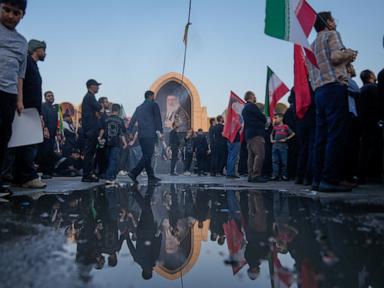
Hundreds of thousands of black-clad mourners crowded into Tehran Grand Mosalla today, pounding their chests in a rhythmic frenzy. They stood packed tightly together under a blistering summer sun. Right in the center sits a glass-encased, flag-draped coffin containing the body of Ayatollah Ali Khamenei.
If you think this is just a standard state funeral, you're missing the real story.
This isn't just grief. It's a massive piece of state theater designed to project power at a moment of absolute vulnerability. Khamenei was killed at age 86 back on February 28 during a devastating U.S. and Israeli airstrike that marked the opening moments of the Iran war. For months, as the conflict raged, his body sat in storage while the country fought for survival. Now, the regime is using a delayed, massive six-day funeral to cement its grip on power, install his successor, and send a clear message to the West.
The timing isn't an accident. The regime intentionally launched this massive spectacle on July 4. While the United States celebrates its 250th Independence Day, crowds in Tehran are chanting "Death to America" and screaming for blood.
Weaponizing Grief in the Post War Vacuum
The regime didn't pull this event together overnight. They're managing a massive logistical nightmare. The state has arranged 50 million loaves of bread to feed pilgrims. Tehran province opened 5,000 mosques and 700 schools just to house the influx of people traveling from rural provinces and neighboring countries like Iraq.
This massive public display serves a deeply practical purpose for the ruling elite. The regime needs to legitimize Khamenei's son, Ayatollah Mojtaba Khamenei, who was quietly named the new supreme leader shortly after the assassination but hasn't yet established total dominance over the fractured political landscape. By aligning the son with the ultimate martyrdom of the father, the Islamic Revolutionary Guard Corps (IRGC) hopes to build an ironclad shield against domestic dissent and foreign pressure.
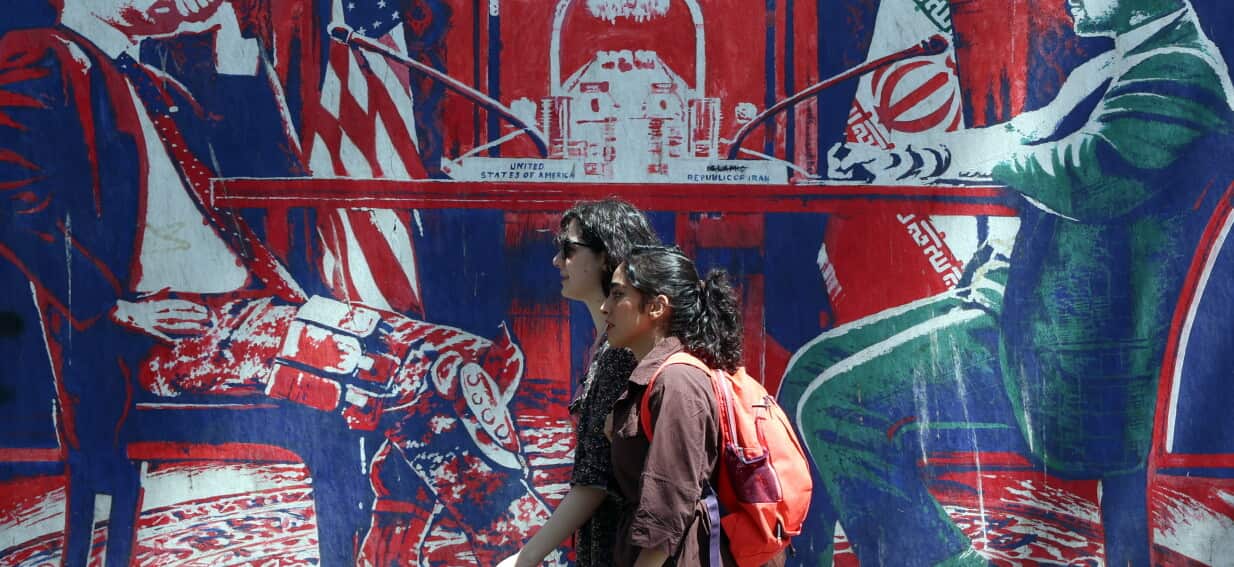
You can see the strategic messaging carved into every corner of the event. Banners plastered across Tehran don't focus on sorrow. They feature a massive red clenched fist with a slogan printed in Persian, Arabic, and English: "We must rise."
The Battle for the Strait of Hormuz
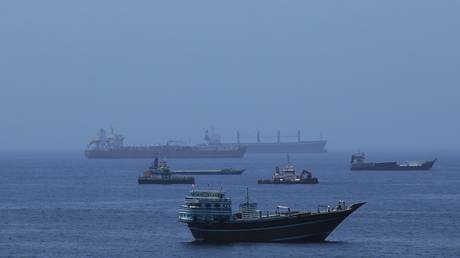
While the crowds weep, top Iranian officials are using the global spotlight to draw a hard line in the sand. Iran's chief negotiator, Kazem Gharibabadi, used the funeral backdrop to issue a sharp warning to British Prime Minister Keir Starmer and French President Emmanuel Macron. The European leaders had suggested their navies might begin joint patrols in the Strait of Hormuz to keep international shipping lines open.
Gharibabadi made it clear that Tehran views any European naval presence in the narrow waterway as an act of aggression. The economic stakes are massive. The Strait of Hormuz is a vital chokepoint. Nearly a fifth of the world's oil and liquefied natural gas passes through it. Iran is actively leveraging its ability to shut down this corridor to force the U.S. into a permanent ceasefire on Tehran's terms.
Peace talks are effectively frozen right now. Qatari and Pakistani mediators say face-to-face negotiations won't resume until the six-day funeral concludes.
A Who's Who of Regional Defiance
The funeral has turned into a massive summit for anti-Western factions. Delegations from Hamas and Hezbollah arrived early, huddled in meetings with Iran's Foreign Minister, Abbas Araghchi. Senior Hamas political official Mohammed Darwish and Hezbollah representative Mohammed Fneish stood near the glass casket, reinforcing their alliance with Tehran despite months of intense military pounding from Israel.
It's not just militant groups attending either. Official representatives from more than 70 nations have arrived in the capital. Heads of state from Iraq, Georgia, and Tajikistan, along with the prime ministers of Pakistan and Armenia, are walking through the Grand Mosalla.
The Road to Mashhad
The logistical lockdown inside Iran will get tighter over the next few days. The regime has completely shut down major streets, provincial airspace, and standard business operations across the country.
The schedule for the body's procession is designed for maximum public exposure:
- Sunday: Formal prayers for the dead will take place at the Grand Mosalla, led by senior clerics.
- Monday: The coffins of Khamenei and his family members who died in the same February strike will be paraded through the heart of Tehran.
- Tuesday and Wednesday: The body travels through holy Shiite cities, including processions planned for Najaf and Karbala in neighboring Iraq to rally regional Shiite loyalty.
- Thursday: The final burial will take place at the golden-domed Imam Reza shrine in Mashhad, Khamenei's birthplace.
If you're tracking international oil markets or looking for signs of a permanent diplomatic breakthrough in the Middle East, keep your eyes on the closing ceremonies on Thursday. Watch whether Mojtaba Khamenei steps out of the shadows to deliver the final burial sermon. That moment will tell you exactly how secure the new regime feels, and how aggressive Iran intends to be in the next phase of this conflict.