We keep hearing about diplomatic breakthroughs, regional frameworks, and negotiated pauses. But if you look at the actual streets of Gaza right now, those political declarations read like fiction.
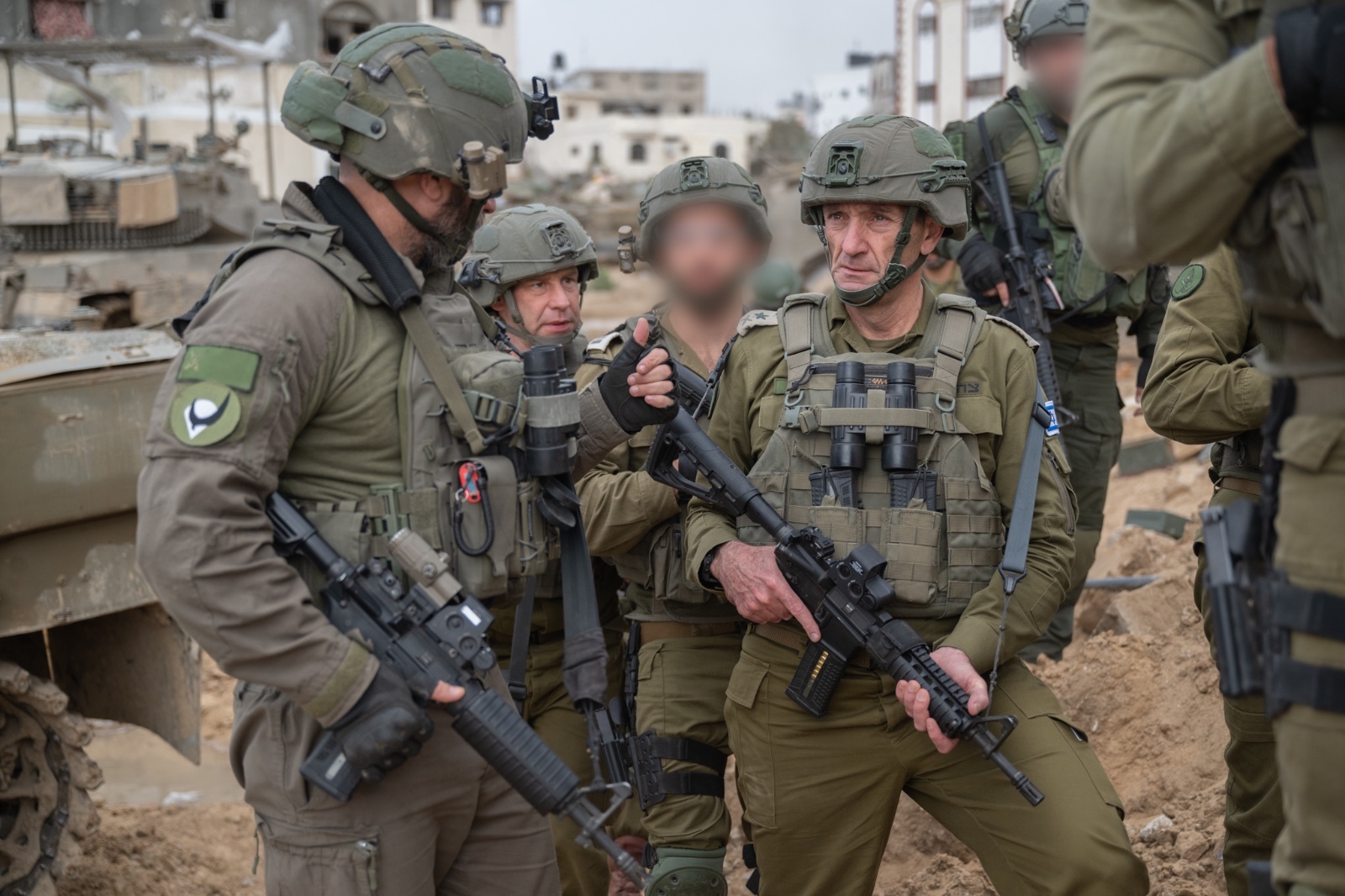
Just hours ago, fresh Israeli attacks struck across the Gaza Strip, leaving three more Palestinians dead and 15 others wounded. It is part of a pattern that has become entirely normalized in international coverage. A deal gets signed in a distant capital, yet the drones keep buzzing, and the artillery keeps firing. The reality is simple. The fighting hasn't stopped, and the human cost continues to climb despite whatever paper agreement is currently being touted by diplomats.
Shuttering the Illusion of a Gaza Ceasefire
When a truce or ceasefire is announced, the global news cycle tends to move on. People assume the bleeding has halted. But inside Gaza, localized military operations have continued to claim lives daily. The latest casualties span multiple neighborhoods, proving that no sector of the blockaded strip is truly exempt from ongoing hostility.
Medical teams on the ground face the same old nightmare. Ambulances brave damaged infrastructure to reach strike sites, and local hospitals, already stripped of basic supplies, struggle to stabilize the influx of the wounded. The 15 injured in these recent bombardments aren't just statistics; they represent families whose temporary shelters or remaining homes were shattered in an instant.
This gap between political rhetoric and military action leaves Gazans in a permanent state of limbo. You can't rebuild your life when the threat of an airstrike hangs over you every single hour, regardless of what the UN or foreign mediators say.
The Geopolitical Context Shaking the Region
To understand why these daily tragedies keep happening, you have to look at the broader regional picture in 2026. The localized violence in Gaza is playing out against a highly volatile backdrop:
- The US and Iran Maritime Conflict: The Strait of Hormuz has turned into a flashpoint. With the US administration attempting to enforce a strict blockade and demanding toll collections for shipping security, regional focus has drifted away from the immediate humanitarian crisis in Palestine.
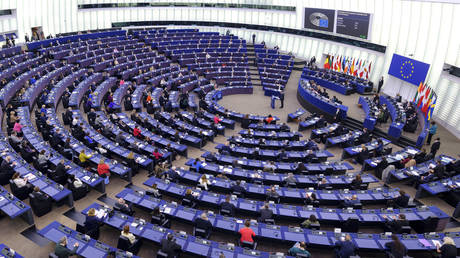
- The Insufficiency of International Aid: While the European Union recently announced a $1 billion fund for Gaza recovery, international experts point out that this is an absolute drop in the bucket. Estimates suggest the actual recovery costs exceed $71 billion over the next decade. Money cannot buy security while bombardments continue.
- West Bank Fractures: Settler violence and military incursions in the occupied West Bank have surged concurrently, proving that the broader Israeli-Palestinian pressure cooker is reaching a boiling point beyond Gaza's borders.
When global superpowers are trading missile strikes in the Persian Gulf, a localized strike that kills three people in Gaza barely makes the lower third of the international news broadcast. That indifference is precisely what allows the low-intensity attrition to persist without accountability.
What Needs to Change Immediately
The current approach to managing this conflict is fundamentally broken. Relying on loose ceasefire frameworks without strict enforcement mechanisms simply buys time for the next round of escalations.
First, international oversight must transition from passive monitoring to active enforcement. If a strike occurs during an agreed pause, there must be immediate, predictable diplomatic or economic consequences for the violating party. Second, the humanitarian corridor cannot be treated as a political bargaining chip. Medical supplies and reconstruction equipment must flow into Gaza without being tied to the volatile shifts of regional proxy wars.
True stability won't come from a press conference in Washington or Brussels. It will only come when the basic right to safety is secured for the people living under the drones. For now, keep your eyes on the ground reports, not the diplomatic press releases. The numbers don't lie, and today, those numbers tell us the violence hasn't stopped.