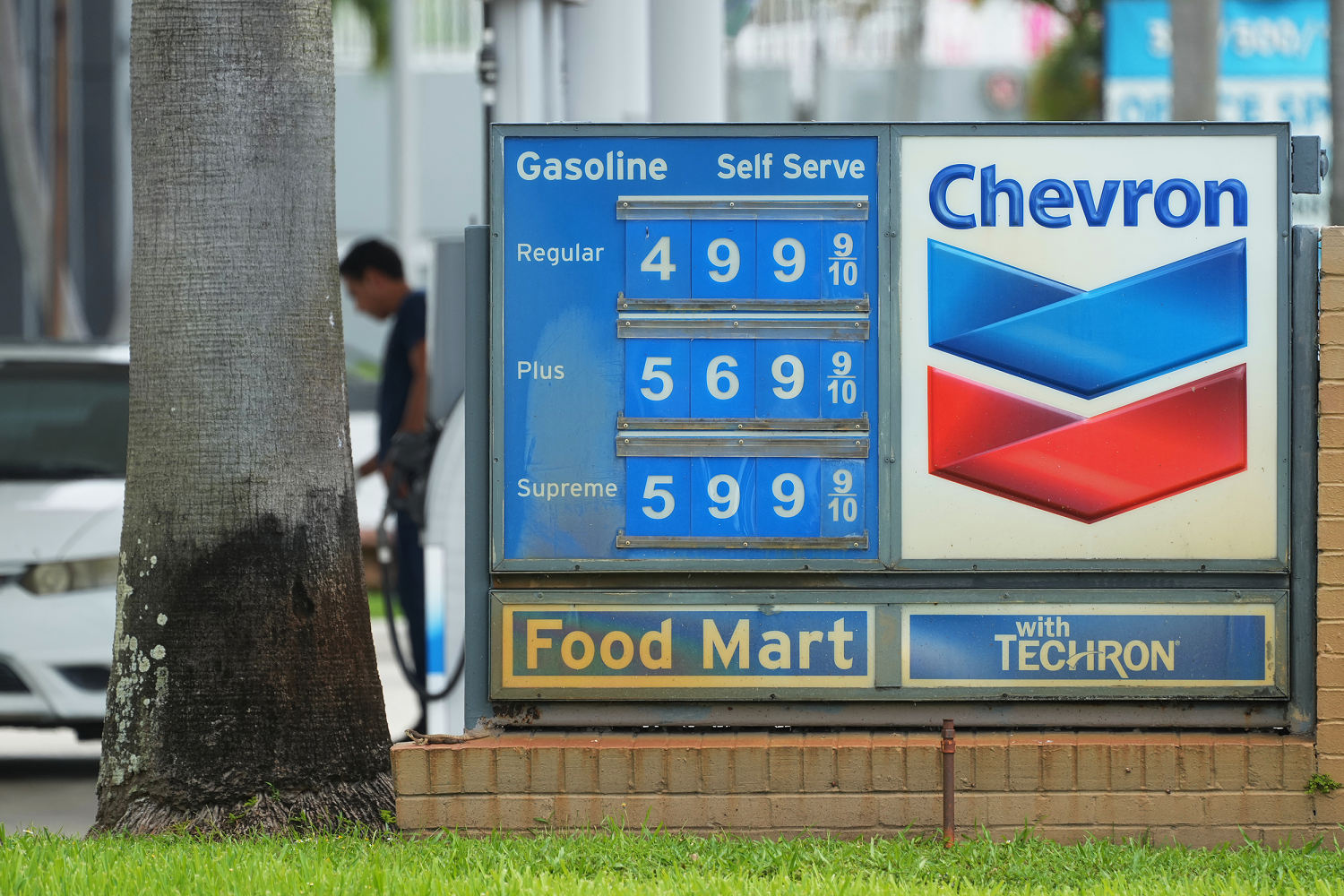
If you pulled into a filling station this week and felt a sudden sting in your wallet, you aren't alone. Gas prices hit $4 again after oil soars more than 15% in a week, catching millions of drivers off guard just as summer travel reaches its peak.
One day you're paying $3.75, and the next you're staring at a pump that reads over four bucks a gallon. It happens fast.
Why does this happen so quickly? Gas stations update their prices overnight, but crude oil markets swing instantly when global supply routes get rattled. Right now, a brutal combination of Middle Eastern conflict, disrupted shipping passages, and refinery bottlenecks has forced energy markets into overdrive.
If you want to understand where your money is actually going every time you squeeze the fuel nozzle, you have to look past the local gas station marquee. The real story is happening thousands of miles away in global energy channels.
The Real Drivers Behind the 4 Dollar Gas Price Spike
Most people blame local gas station owners when prices jump. That's a mistake. Retail stations operate on razor-thin profit margins—often making just a few cents per gallon on the fuel itself while relying on convenience store snacks and coffee to stay afloat.
The primary engine behind the recent surge is crude oil. Crude accounts for roughly 50% to 60% of what you pay at the pump. When benchmark crude contracts like Brent or West Texas Intermediate jump by double-digit percentages in a single week, retail gasoline prices follow like clockwork.
Recently, international benchmark crude rocketed upward as geopolitical conflicts flared in key energy-producing corridors. When global supply chains face sudden shocks, traders bid up the price of oil futures out of fear that supplies will dry up tomorrow.
The Strait of Hormuz Chokepoint
Look at a map of global trade routes, and you'll see a narrow strip of water separating the Persian Gulf from the Gulf of Oman. That's the Strait of Hormuz.
Roughly 20% of the world's petroleum flows through that single maritime passage every day. When military tension escalates between major forces in that area, tanker ship traffic slows to a crawl. Insurance rates for maritime shipping skyrocket instantly. Some shipping lines halt transit altogether rather than risk multi-million-dollar vessels and crews.
Fewer tankers moving through the strait means immediate market anxiety. Even if actual physical shortages haven't hit your neighborhood pumps yet, the energy market prices in the risk right away.
Ukrainian Strikes on Russian Fuel Refineries
The Middle East isn't the only pressure point. Ongoing military drone strikes against Russian energy infrastructure have taken a significant chunk of global refining capacity offline.
When a refinery burns, it stops converting raw crude into usable gasoline, diesel, and jet fuel. That creates a supply imbalance. The global market can have plenty of unrefined oil sitting in storage tanks, but if refineries can't process it fast enough, finished fuel prices shoot up.
Why Summer Fuel Blends Make Everything Worse
Geopolitics gets the headlines, but domestic seasonal factors are quietly compounding your total bill. Every year between April and September, American fuel regulations mandate a switch to summer-blend gasoline.
Summer blend is formulated differently than winter blend. To prevent fuel from evaporating in hot weather—which creates smog—refineries must remove cheap, highly volatile butane components from the mix. Replacing butane requires more complex refining processes and costlier additives.
It costs refineries more money to produce summer blend gas. On top of higher manufacturing expenses, the transition period requires facilities to drain their winter storage tanks completely before refilling them with summer fuel. That temporary downtime reduces overall supply right as Americans pack up their cars for summer road trips.
High seasonal demand plus expensive fuel blends equals an already fragile environment. Drop a global supply shock into that mix, and prices break through the $4 threshold easily.
Why Gas Prices Rise Fast but Fall Slower Than Molasses
Have you ever noticed that gas prices rocket up like a missile when oil prices rise, but trickle down like a leaking faucet when oil prices drop?
Economists call this phenomenon "rockets and feathers."
Here is how it actually works on the ground:
- When wholesale oil costs spike, station owners know their next delivery tank load will cost them significantly more money. If they don't raise their retail prices immediately, they won't have enough cash on hand to pay for their next shipment.
- When wholesale oil costs fall, station owners try to hold their retail prices steady as long as possible to recoup losses suffered during the upward spike.
- Competition eventually forces them to lower prices, but only as fast as neighboring stations down the street start cutting theirs.
This asymmetry frustrates drivers endlessly, but it's standard economics in retail fuel. Expect prices to stay sticky near $4 even if crude oil pulls back over the coming days.
Diesel Prices Are Painful Too and That Hits Everything You Buy
While regular unleaded gas gets all the attention from suburban commuters, diesel fuel is the silent driver of consumer inflation.
National average diesel prices have climbed well above $5 per gallon. That matters to everyone, whether you drive a diesel vehicle or not.
Semi-trucks transport almost every consumer item in America—from grocery store produce to home construction supplies. Freight companies pass higher fuel costs directly to retailers through fuel surcharges. Retailers, in turn, raise shelf prices to protect their bottom lines.
When fuel costs remain high for extended periods, overall consumer price indexes creep up across the board. High gas prices hit your personal wallet at the pump, but high diesel prices hit your household budget everywhere else.
Regional Disparities across the Country
The $4 national average is just an aggregate statistic. Depending on where you live, your local reality might look vastly different.
Drivers in West Coast states like California, Washington, and Oregon routinely pay between $4.75 and $5.25 per gallon due to state environmental regulations, higher fuel taxes, and isolated refinery networks.
Meanwhile, Gulf Coast states like Texas, Mississippi, and Alabama often enjoy prices well below the national average thanks to their proximity to major domestic refineries and lower state tax burdens.
Midwestern states experience extreme volatility because their fuel supply relies on a network of pipelines vulnerable to seasonal agricultural demand spikes and regional refinery maintenance outages.
Understanding your state's tax structure and supply line mechanics helps explain why a 50-cent jump in one region might only be a 15-cent bump somewhere else.
What You Can Do Right Now to Protect Your Budget
You can't control geopolitical conflicts or global crude trading desks, but you can change how you purchase and burn fuel. Stop wasting money on bad habits and useless hacks.
Here are practical steps that actually cut your fuel expenses:
- Stop buying premium fuel unless your engine explicitly requires it. If your owner's manual says "recommended" rather than "required," your car's computer will automatically adjust timing for 87 octane without damaging the engine. You're simply wasting 50 to 80 cents per gallon.
- Use cash-back gas apps combined with store loyalty programs. Pairing grocery store fuel points with dedicated fuel discount apps can cut 15 to 30 cents per gallon off your fill-ups.
- Keep your tire pressure properly inflated. Under-inflated tires increase rolling resistance. Running tires just 5 PSI low can reduce your fuel economy by nearly 2% to 3%.
- Lighten your trunk and remove roof racks. Extra weight burns extra fuel. Roof-mounted cargo boxes create massive aerodynamic drag, cutting highway fuel efficiency by up to 10% to 20%.
- Drive smoothly. Aggressive acceleration and hard braking waste fuel unnecessarily. Driving like you have a cup of hot coffee sitting on your dashboard saves real money over the course of a month.
Gas prices will stay volatile as long as shipping bottlenecks and international conflicts persist. Pay attention to local trends, optimize your driving, and adjust your weekly budget to keep these market swings from catching you off guard.