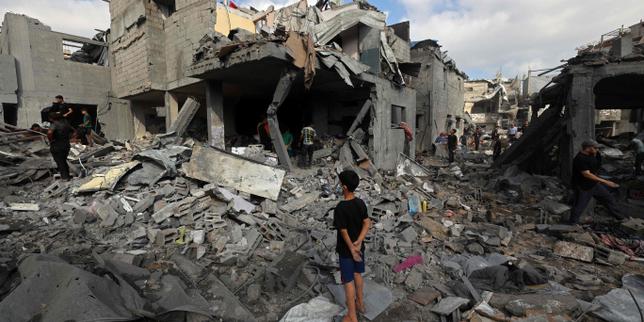
On July 17, 2026, a funeral procession in the Nuseirat refugee camp in central Gaza turned into a scene of carnage. An Israeli airstrike hit a gathering of mourners who had assembled to bury a victim killed earlier that same day. The death toll stands at at least seven to eight people, with over 20 wounded, according to local medical officials at the Al-Awda Hospital.
This incident is not an isolated anomaly. It is part of a persistent cycle of violence that continues to define the Gaza Strip, even months after the October 2025 ceasefire agreement was intended to bring the two-year-long war to an end.
The Anatomy of the Nuseirat Strike
The events unfolded rapidly. Earlier on Friday, July 17, an initial Israeli strike killed an individual in the Nuseirat area—an attack the Israeli military later characterized as targeting a Hamas militant. Family members, friends, and community members gathered shortly after to hold a funeral for the deceased.
While the procession was underway, a second strike hit the gathering. The Israeli military issued a statement acknowledging the operation, claiming they had targeted a "terrorist cell" belonging to the Palestinian Islamic Jihad group. In their response, officials stated they were "aware of claims that several uninvolved individuals were harmed".
This pattern—striking an initial target and then hitting the subsequent gathering of first responders or mourners—has been documented repeatedly throughout the conflict. For those on the ground, it creates a climate of existential dread where even the act of mourning becomes a high-risk activity.
Why the Ceasefire Feels Invisible
If you look at the headlines, you’ll see constant references to a ceasefire deal signed in October 2025. On paper, the heaviest fighting has subsided. In reality, the situation remains volatile. Since that agreement took effect, more than 1,100 Palestinians have been killed in ongoing Israeli operations, according to Gaza health ministry data.
The independent monitoring group, Armed Conflict Location and Event Data (ACLED), reported that Israel carried out 40 attacks targeting militants in June 2026 alone—the highest monthly total since the ceasefire began.
The Cost of Targeted Operations
The Israeli military maintains that these strikes are precise responses to security threats. They argue that militant groups like Hamas and Islamic Jihad operate within civilian infrastructure, effectively using the population as cover. However, the human cost of these "precise" operations is undeniable:
- Casualty Demographics: Local reports consistently show that women, children, and elderly civilians make up a significant portion of the casualties in these strikes.
- Infrastructure Strain: Hospitals like Al-Awda are perpetually overwhelmed, struggling to manage surges of trauma victims with limited medical supplies and electricity.
- Erosion of Normalcy: When schools, markets, and funerals become legitimate battlegrounds, the social fabric of the territory disintegrates.
International Pressure and Local Reality
The strike in Nuseirat has drawn immediate condemnation from Hamas, which labeled the event a "brutal massacre" and called on United Nations mediators to intervene. However, diplomatic leverage is thin.
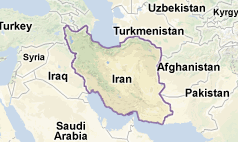
Across the region, the conflict has widened. The broader geopolitical tension between Israel, the United States, and Iran—following the major military operations in February 2026 that resulted in the death of Iran’s Supreme Leader—has left international actors with little bandwidth to enforce local peace in Gaza. The U.S. government, traditionally a mediator, faces a growing internal dilemma as domestic pressure mounts regarding continued support for Israeli military policy.
What Happens Next for Gaza
For the families in Nuseirat, the immediate aftermath involves burying the dead once again. For the international community, the cycle remains stuck. As long as the current military doctrine prioritizes tactical strikes over political resolution, incidents like the July 17 funeral bombing will continue to occur.
If you are tracking the situation, pay attention to these three factors:
- Hospital Capacity: Watch reports from Al-Awda and Al-Shifa hospitals. They are the most reliable indicators of casualty intensity, as they handle the frontline overflow.
- U.N. Involvement: Look for specific statements from U.N. humanitarian coordinators on the ground, rather than general political condemnations. They provide the clearest picture of civilian impact.
- Escalation Indicators: Monitor reports of strikes outside of known militant strongholds. The more strikes occur in residential or public areas, the higher the likelihood of a total breakdown of the existing ceasefire.
The reality on the ground in Gaza is defined by the absence of safety, regardless of what is written in ceasefire agreements. The strike on mourners in Nuseirat is the latest grim reminder of that truth.