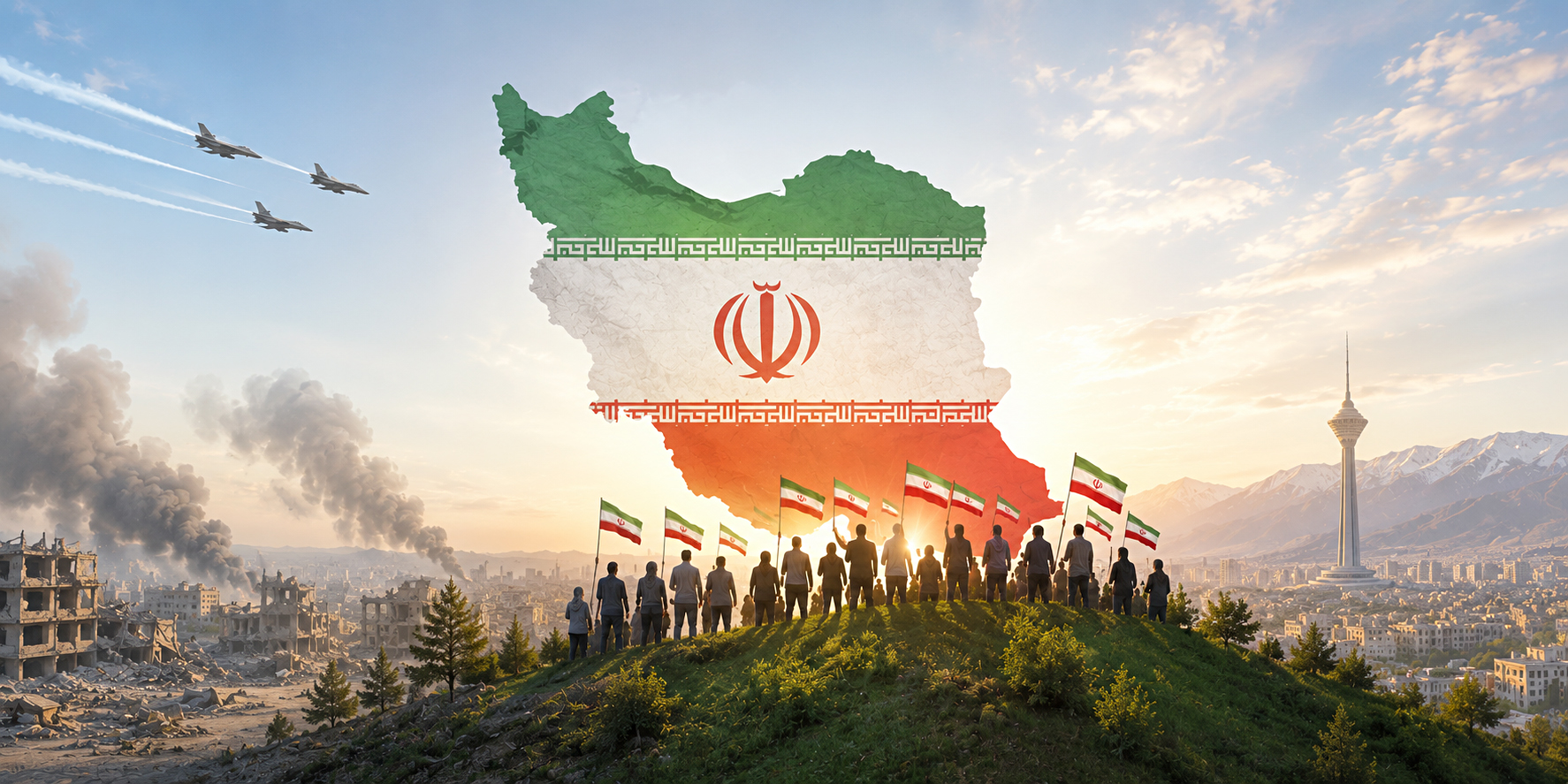
Iran is bracing for an unprecedented spectacle. Four months after a joint U.S. and Israeli airstrike killed Ayatollah Ali Khamenei in his Tehran compound, the late supreme leader's body has finally arrived at the Grand Mosalla complex. The delay wasn't accidental. A brutal regional war broke out the very day he died, forcing officials to freeze funeral plans while bombs fell. Now, a temporary pause in hostilities has opened a window for a massive six-day state funeral that will draw millions of mourners across two countries.
People want to know if this marks the end of an era or just a brief intermission before the conflict resumes. This event isn't just about grief. It is a calculated display of geopolitical theater, structural continuity, and raw defiance.
The Shocking Delay of a Supreme Leader's Burial
Islamic tradition dictates that the dead should be buried as quickly as possible, usually within 24 hours. Khamenei died on February 28, 2026. Yet his funeral is only now beginning in July.
That massive gap tells you everything you need to know about the severity of the war that followed his death. The Islamic Republic couldn't risk gathering millions of people in the open while airspace was actively contested. His body remained preserved in an undisclosed location while Iranian forces engaged in direct combat with U.S. and Israeli forces.
With indirect peace talks in Doha making what mediators call positive progress, a fragile one-week de-escalation agreement has allowed the regime to bring Khamenei into the public eye. Tehran's chief negotiator has openly called for a massive turnout, explicitly framing the funeral procession as an act of mass vengeance and national resolve.
A Six Day Logistics Nightmare Across Two Nations
Managing an event of this scale requires freezing daily life. The Islamic Revolutionary Guard Corps (IRGC) and the Islamic Development Organization have completely shut down major parts of Tehran. Airspace is locked down. The Tehran Grand Bazaar, schools, and local businesses are shuttered.
The funeral itinerary spans five distinct cities and crosses international borders.
The rituals began on Friday, July 3, when the caskets of Khamenei and his slain family members—including his daughter and grandchild who died in the same blast—were placed at the Imam Khomeini Grand Mosalla in Tehran. Dignitaries from Russia, China, India, and Pakistan arrived to pay respects. Russia sent Dmitry Medvedev, while Pakistan's Prime Minister Shehbaz Sharif attended in person.
On Monday, the main public procession will choke the streets of the capital. From there, the body travels to the theological hub of Qom on July 7. In a fascinating twist of cross-border religious politics, the symbolic commemorations will move into neighboring Iraq, hitting the Shia holy centers of Najaf and Karbala. Finally, the body returns to Iran for a massive burial ceremony in Mashhad, Khamenei's home city, on July 9.
The New Leadership Standing in the Shadows
The big question hanging over the Grand Mosalla is who actually runs Iran now. On March 8, just over a week after the assassination, Iran's Assembly of Experts quietly elected Mojtaba Khamenei, the late leader's son, as the new supreme leader.
Mojtaba has spent the last four months completely out of public view. He avoided the public eye to prevent becoming the next target for an airstrike. Nobody knows if he will risk appearing at his father's funeral ceremonies.
If he shows up, it signals absolute confidence in the current ceasefire. If he stays hidden, it proves the regime knows its new leadership is still highly vulnerable. Meanwhile, other top figures are re-emerging. IRGC Chief Ahmad Vahidi made his first public appearance since the war began, photographed praying over Khamenei's coffin. The state is trying hard to project stability, but the tension is palpable.
What Happens When the Mourning Ends
This funeral is a strategic timeout. The underlying issues that caused the war haven't disappeared. The diplomatic track in Qatar is paused solely for these ceremonies, and Iranian parliament speaker Mohammad Bagher Ghalibaf has already warned that if the U.S. and Israel don't stick to their commitments, direct military actions will resume immediately.
Pay close attention to the rhetoric broadcast during the processions over the next week. The chants and speeches will reveal whether the new regime intends to use the conclusion of the funeral to pivot toward a permanent ceasefire or to launch a renewed offensive. Watch the borders, track the troop movements during the mourning period, and prepare for a diplomatic or military storm once the final prayers in Mashhad conclude.