Florida is setting lethal injection records, but not the kind anyone should brag about. The state is systematically executing old men who have spent more than half their lives behind bars.
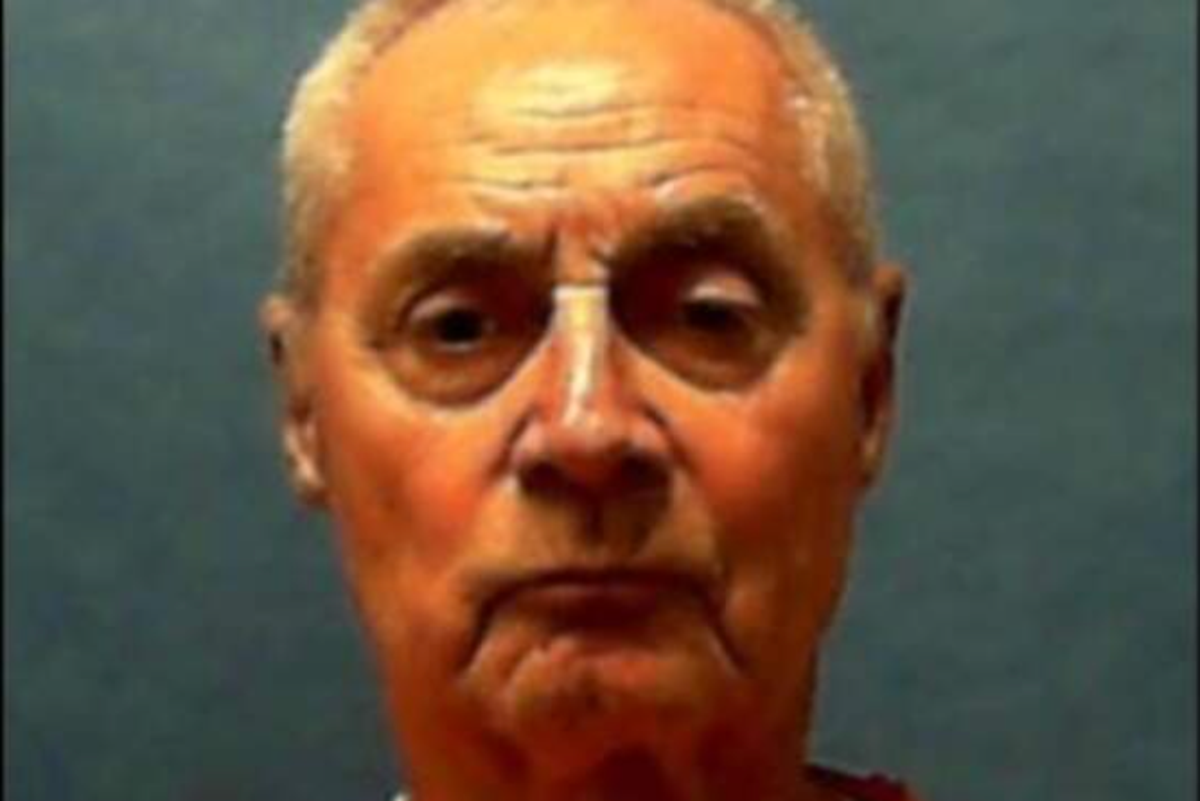
On July 14, 2026, the state scheduled the execution of 74-year-old Dennis Sochor at the Florida State Prison near Starke. He was condemned for the 1981 murder of 18-year-old Patricia Gifford. If the needle goes in as planned, Sochor will officially become the oldest inmate executed in Florida’s modern history.
He will hold that grim title for exactly two weeks.
On July 28, 2026, Florida plans to strap 80-year-old Dominick Occhicone to the exact same gurney. He will be the state’s first octogenarian to die by execution. Just weeks before this geriatric marathon began, the state executed Dusty Ray Spencer, who was also 74.
This isn't a coincidence. It is the reality of a broken justice system where inmates grow gray, frail, and cognitively diminished while legal battles drag on for forty years, only for the state to rush them to the death chamber in batches.
A Murder on New Year's Day
To understand why Dennis Sochor spent nearly four decades on death row, you have to look at the brutal crime that put him there. On New Year’s Eve in 1981, Patricia Gifford was celebrating at a bar near Fort Lauderdale. She and a friend met Sochor and his brother, Gary.
When the friend felt sick and went to sleep in her car, Gifford left with the Sochor brothers to grab breakfast. They never made it to a restaurant. Dennis Sochor drove his truck to a secluded area in Broward County. When Gifford fought off his sexual advances, Sochor choked her to death. Her body was never found.
Sochor fled Florida, eventually getting picked up in Georgia five years later on unrelated charges. His brother Gary pointed the finger at him, and Sochor himself eventually confessed on tape to the killing. A jury convicted him of kidnapping and first-degree murder in 1987.
The Non-Unanimous Jury Problem
Here is where the legal gears jammed. The jury that convicted Sochor didn't agree unanimously on his death sentence. They voted 10–2 to recommend death, and a judge finalized the order.
For decades, Florida allowed these split-decision death sentences. The state abolished the practice in 2016 after the U.S. Supreme Court ruled its sentencing statute unconstitutional. For a brief window, Florida required a perfect 12–0 jury vote to execute someone.
Then Governor Ron DeSantis rolled back that requirement in 2023. Now, Florida requires only an 8–4 majority to condemn a person to death, giving it the lowest threshold in the entire country. Because Sochor’s 10–2 recommendation happened back in the eighties, the modern state Supreme Court cleared the path for his death warrant, denying his final rounds of post-conviction appeals.
His defense team tried everything at the eleventh hour. They argued that prosecutors hid a 2022 letter proving a detective was still squeezing Gary Sochor for the location of the body, hinting that the brother's testimony was bought with hidden immunity deals. They brought up his status as a military veteran and his history of childhood abuse. The courts didn't care. The execution stood.
Drowning on the Gurney
The physical reality of executing a 74-year-old man creates a grotesque medical spectacle. Sochor’s attorneys mounted a challenge against Florida’s three-drug lethal injection cocktail, specifically the sedative etomidate.
Autopsies from dozens of recent Florida executions from 2017 to 2026 show that etomidate routinely causes flash pulmonary edema. That means fluid rapidly floods the lungs while the inmate is still conscious, causing a terrifying sensation of drowning and suffocation before the paralyzing drugs take effect. Sochor asked for a firing squad instead, arguing it would be quicker and less cruel. The court called the motion untimely and dismissed it.
When we execute people in their mid-to-late 70s and 80s, we aren't executing the young, dangerous men who committed these horrific crimes forty years ago. We are executing infirm old men with failing organs, dementia, and limited mobility.
Frank Frandel, a childhood acquaintance of Sochor, told reporters he felt no sympathy for the killer's age, noting that Sochor's father is turning 99 this year. "He could live another 20 years," Frandel said. "So no, I don't feel sorry for him being at that age."
Whether you feel sympathy or absolute disgust for Dennis Sochor, the operational reality doesn't change. Florida has executed nine people in 2026 alone—more than the rest of the country combined. As death rows across America continue to age, prisons are turning into heavily guarded nursing homes where the ultimate end isn't natural rehabilitation, but a delayed appointment with a needle.
If you want to track how these aging inmate executions affect public policy, keep a close eye on the Death Penalty Information Center and the upcoming legal challenges surrounding Dominick Occhicone’s scheduled execution on July 28. The battle over the Eighth Amendment and geriatric punishment is far from over.