Ecuadorian prosecutors just dropped a massive hammer on a case that shook South American politics to its core. They officially named businessman Xavier Jordán as the mastermind behind the 2023 assassination of presidential candidate Fernando Villavicencio. This isn't just another legal update. It's a clear look into how deep corruption runs when organized crime links up with political power.
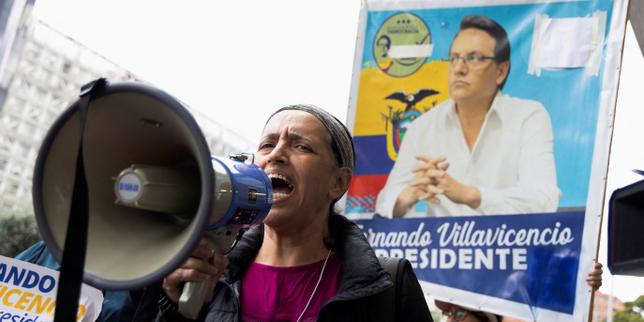
If you've been following Ecuador’s recent history, you know Villavicencio was a thorn in the side of corrupt officials. He was a fearless investigative journalist before running for office. He exposed massive bribe networks. Then, a hail of bullets silenced him outside a political rally in Quito. For years, the big question wasn't who pulled the trigger, but who paid for the hit. Now we have an official answer. The state prosecution argues Jordán financed and planned the entire operation to protect his own skin and cover up corruption networks tied to the former government of Rafael Correa.
The Mastermind Unmasked in Court
The Ecuadorian justice system didn't reach this conclusion overnight. The prosecution's case rests on a mountain of digital evidence and high-profile testimonies. According to court filings, Jordán used his wealth to organize, fund, and oversee the logistical nightmare that ended Villavicencio's life.
Why target him? Villavicencio was getting too close. His investigations threatened to expose deep-seated financial corruption that directly implicated Jordán. By removing the candidate, the corrupt actors hoped to bury the evidence along with him.
The trial revealed that Jordán didn't act alone in a vacuum. He collaborated with notorious figures within Ecuador’s criminal underworld. The setup involved coordinated efforts from inside prisons, heavy funding for weapons, and precise tracking of the candidate’s movements.
How the Corruption Web Functioned
To understand how a businessman pulls off a political assassination, you have to look at the broader investigation known as the Metástasis case. This wasn't a simple contract killing. It was a corporate-style operation.
Key evidence came from the encrypted phones of Leandro Norero, a notorious drug trafficker killed inside a prison in 2022. The chat logs recovered by the attorney general's office revealed a terrifying reality. Jordán and Norero routinely discussed tracking Villavicencio. They shared details about his home, his routines, and his security detail.
The strategy was systematic. Another key player, Daniel Salcedo, gave testimony detailing how the operation came together. Salcedo, who is already serving a heavy sentence for corruption, admitted that the hit on the presidential candidate was ordered at Jordán's request.
The planning was meticulous. They didn't just hire local hitmen. They brought in foreign mercenaries, specifically Colombian shooters, to execute the plan on August 9, 2023. The hitmen received explicit instructions, transport, and high-powered weaponry. Most of the original shooters died under mysterious circumstances in prison shortly after their arrest, which looked like an attempt to erase the trail. But the digital footprints remained.
The Link to Political Power
Villavicencio’s work didn't just anger corporate criminals. It went straight to the top of the political establishment. His journalistic work had already helped secure a corruption conviction against former president Rafael Correa, who now lives in exile.
During his presidential campaign, Villavicencio refused to back down. He went on television and held rallies without a bulletproof vest. He openly mocked the cartels. He told his supporters that his courage was his armor.
The prosecution’s latest move links Jordán directly to a broader network that sought to regain political control of the country. By naming Jordán as the instigator, the justice system is making a direct statement. Political violence in Ecuador isn't just about street gangs fighting for turf. It’s driven by wealthy elites using gang violence as a tool to protect their fortunes and political influence.
Where the Case Stands Right Now
Jordán isn't sitting in an Ecuadorian jail cell. He has been living in the United States for years, particularly in Miami. Late last year, federal agents from the FBI and Homeland Security raided his luxury mansion in Florida, seizing electronic devices and computers.
Ecuadorian judges have already ordered pre-trial detention for Jordán. Because he's abroad, the legal process faces diplomatic hurdles. Ecuador wants him extradited. The legal teams are currently fighting over his status, with Jordán claiming on social media that the accusations are purely political persecution.
The court isn't buying his defense. The sheer volume of text messages, combined with the testimony of his former criminal associates, has made it impossible for the justice system to ignore his role. The official designation as an instigator means that even if he remains abroad, his assets can be targeted, and his legal troubles in the United States will intensify.
What This Means For You and Global Security
It's easy to look at Ecuador and think this is a localized issue. It isn't. The country has transformed from a relatively peaceful nation into a primary transit hub for global drug cartels. Mexican and Albanian syndicates now run operations through Ecuadorian ports.
When a country's justice system can successfully track a political murder back to its financial source, it sends a message to international criminal networks. It shows that impunity isn't guaranteed, even if you have millions of dollars and connections in high places.
For everyday citizens and observers, the case serves as a warning. It demonstrates how quickly democratic institutions can degrade when dirty money infiltrates the state. The fact that the investigation reached this point shows a rare flash of resilience from Ecuador's judiciary, which has faced constant threats, bombings, and assassinations targeting its own judges and prosecutors.
Your Next Steps to Stay Informed
The situation in Ecuador is developing fast, and the legal battle in international courts will take months to resolve. If you want to follow this case accurately without getting lost in the noise, here's what you should do next.
First, track the official statements from the Fiscalía General del Estado de Ecuador on their verified channels. They regularly post translated summaries of evidence and testimony updates regarding the Metástasis case.
Second, monitor the upcoming extradition hearings in the United States federal court system. The decision by American authorities to either deport or try Jordán on related financial crimes will determine whether he ever faces a judge in Quito.
Third, read independent investigative outlets in Latin America, like Plan V or Insight Crime. These platforms provide deep background context on how business networks and drug cartels interact in the region, offering details that mainstream international media often misses. Stay updated, watch the evidence, and look past the political rhetoric.