The Supreme Court just handed Donald Trump a massive victory for executive authority, completely rewriting how the American regulatory state works. In a sweeping pair of decisions, the court dismantled a 91-year-old legal precedent that previously protected the heads of independent agencies from being fired on a president's whim.
If you run the Federal Trade Commission, the National Labor Relations Board, or the Consumer Product Safety Commission, your job security just vanished. You now serve entirely at the pleasure of the White House.
Yet, amid this dramatic expansion of presidential reach, the high court drew a sharp, immovable line at the doors of the Federal Reserve.
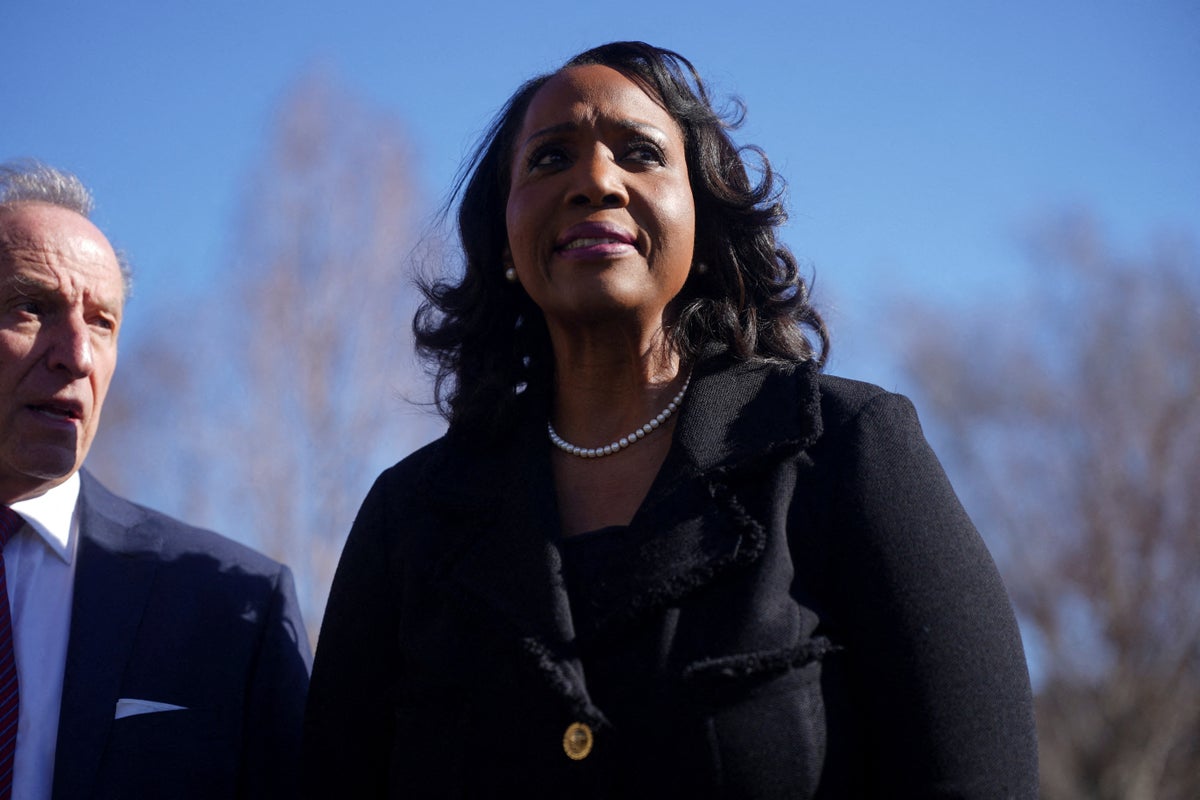
In a tense 5-4 ruling, the justices blocked Trump's high-profile attempt to immediately fire Fed Governor Lisa Cook. It is a fascinating compromise that tells us exactly where the judicial branch draws the line on White House control over the economy.
The Death of Humphrey's Executor and the New Agency Reality
To understand how big this moment is, you have to look at what the court destroyed. For nearly a century, a 1935 Supreme Court precedent called Humphrey's Executor served as a shield for independent agencies. It explicitly stated that Congress could create agencies meant to be free from political interference, meaning a president could only fire their leaders for official misconduct or neglect of duty.
Trump challenged this setup directly when he booted former Federal Trade Commission member Rebecca Slaughter without cause.
The conservative majority side with the White House. Chief Justice John Roberts made it plain. Subordinates exercising executive power must answer directly to the president. Without that direct line of accountability, the majority argued, the separation of powers breaks down.
This changes everything for federal regulations. Dozens of officials previously insulated from political cycles are now exposed. If an agency head pursues a policy or an enforcement action that clashes with the administration's goals, they can be removed by the end of the day.
Why Lisa Cook Spared the Fed From the Chopping Block
The administration expected to use that same aggressive legal logic to clean house at the nation's central bank. Last August, Trump targeted Lisa Cook, the first Black woman to serve as a Federal Reserve governor, attempting to remove her via a public letter posted to Truth Social.
The administration pointed to unproven allegations of mortgage fraud brought forward by an ally. Cook strongly denied those claims, calling them a manufactured pretext designed to punish her for refusing to bow to political pressure over interest rates.
The Supreme Court didn't take the bait. Instead, Chief Justice Roberts joined Justice Brett Kavanaugh and the three liberal justices to form a narrow 5-4 majority protecting Cook.
The reasoning comes down to history and procedure. The court highlighted that the Federal Reserve is fundamentally different from a standard regulatory body like the FTC. It operates under a unique, quasi-private framework rooted in the tradition of early American central banking.
Roberts noted that letting a president sack a Fed governor without notice or a judicial check would turn statutory protections into empty promises. It would reduce independent economic stewardship to basic at-will employment.
The court threw out the firing because the White House failed to provide Cook with any basic due process. She received no formal notice, no explanation of evidence, and no real chance to respond before the social media announcement. Because of that total lack of process, the court declared the removal completely void. Cook stays in her seat while her legal challenge winds through the lower courts.
The Economic Stakes of Central Bank Independence
This wasn't just a dry debate over administrative law. Wall Street and global markets watch these developments with intense anxiety. The Federal Reserve controls the cost of credit for the entire global economy. If investors think interest rates are being manipulated to boost a president's re-election chances or to satisfy a political grudge, inflation expectations can spiral out of control.
The administration had already signaled its desire for tighter control over monetary policy. Earlier this year, the Justice Department launched a criminal probe into former Fed Chair Jerome Powell, though it was later dropped. Economists widely viewed that move as a blatant attempt to force lower interest rates.
Cook explicitly noted after the ruling that the fight was always about keeping interest rate decisions tied to economic data rather than political calculations. For now, the central bank retains its historic insulation.
What Happens Next on the Ground
If you are trying to navigate what this means practically, keep your eyes on the legal battles brewing across other agencies.
- Expect a wave of immediate firings at boards regulating labor, product safety, and corporate competition. Anyone appointed by previous administrations who does not align with current White House policy is highly vulnerable.
- Watch the lower court proceedings for Lisa Cook. The Supreme Court sent her case back down to examine the actual merits of the mortgage allegations. This means her legal battle will drag on for months, ensuring she remains on the Board of Governors for the foreseeable future.
- Anticipate a shift in how independent agencies write rules. Knowing they can be replaced instantly, current agency leaders will likely align their regulatory agendas much more closely with White House directives to safeguard their positions.
The legal landscape has shifted underneath the federal bureaucracy. While the White House now commands unprecedented authority over vast swaths of Washington, the nation's money supply remains anchored just out of reach.