The marble facade on the Potomac remains draped under a white tarp, but the legal reality is clear.
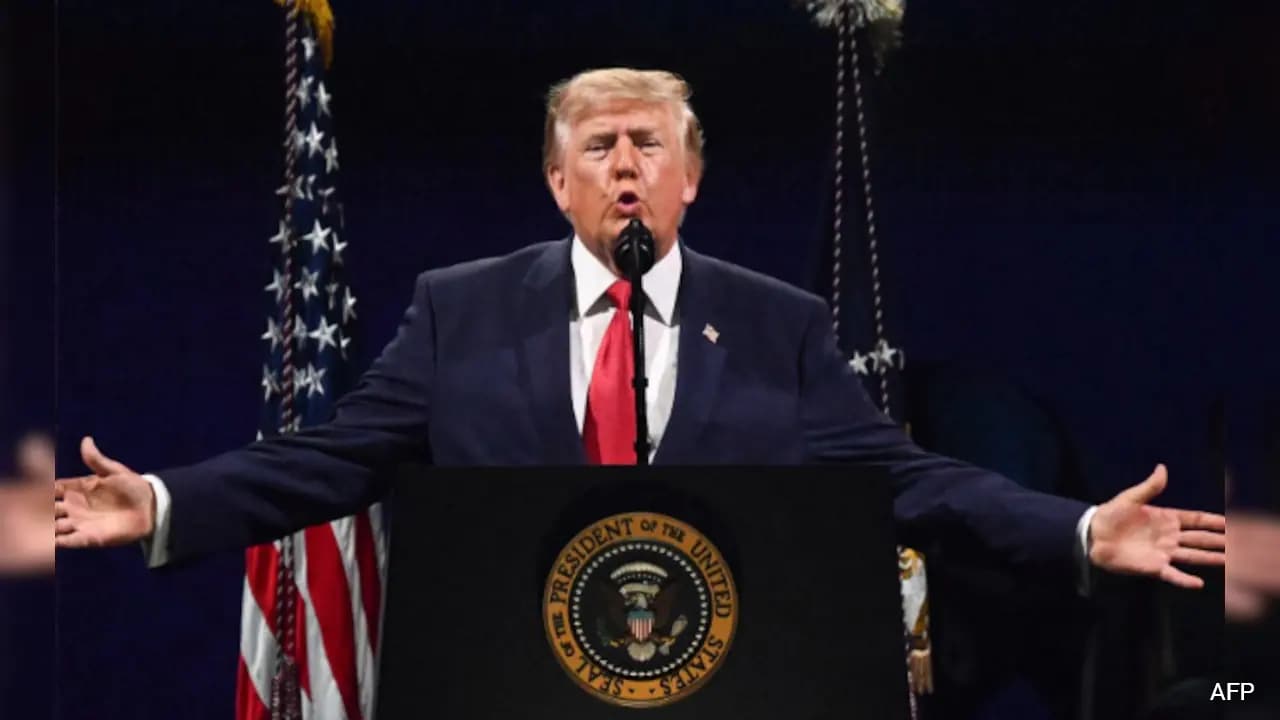
A federal appeals court in Washington made sure of that. In a three-page order handed down on July 8, 2026, a three-judge panel for the U.S. Court of Appeals for the D.C. Circuit shut down an emergency attempt by the Justice Department to force Donald Trump's name back onto the John F. Kennedy Center for the Performing Arts.
The court didn't mince words. It told the administration that its arguments about lost fundraising and damaged prestige were completely backed by zero hard evidence.
This latest legal defeat leaves the administration in an awkward spot. Workers already unbolted the physical lettering for "The Donald J. Trump and The John F. Kennedy Memorial Center for the Performing Arts" back in June. Digital staff purged the extra name from the venue's website. Yet, the physical building sits hidden behind construction sheets, as if hiding from the ruling.
If you want to understand why this fight matters—and why the executive branch keeps losing it—you have to look past the political theater and examine the actual legal mechanics.
The Appeals Court Denies the Emergency Motion
The ruling came from Judges Patricia Millett, Robert Wilkins, and Gregory Katsas. That mix is notable. Millett and Wilkins were appointed by Barack Obama, while Katsas was appointed by Trump during his first presidential term. All three agreed. There was no public dissent.
The Justice Department asked the court to pause a lower-court ruling while an appeal works its way through the system. They argued that changing the name back and forth causes public confusion and drains resources. They even claimed that donors who gave money specifically because of Trump's name would demand their money back if the name stayed off.
The panel dismantled that argument in short order:
- No proof of harm: The court pointed out that the administration offered vague assertions rather than specific financial records or donor statements.
- The damage was already done: Since the lettering came down in June under court order, keeping the name off during the appeal doesn't create new costs. A stay wouldn't fix past spending.
- New arguments don't fly: Lawyers brought up a newly created foundation—the Trump Kennedy Center for the Performing Arts Foundation—claiming it would have to refund millions. The judges noted this point was never brought up in the original district court hearing. You can't invent new facts on appeal.
The judges made clear they weren't deciding the entire lawsuit yet. They simply refused to reinstall the name while the legal battle drags on.
The Statutory Reality of Named National Memorials
To understand how the administration got into this mess, we have to go back to December.
After taking office in early 2025, Trump replaced key members of the Kennedy Center Board of Trustees and took over as board chairman. Shortly after, the newly composed board voted unanimously to append Trump's name to the front of the complex.
That move triggered an immediate lawsuit from Representative Joyce Beatty, a Democrat from Ohio who sits on the board as an ex officio member. Beatty argued that the board overstepped its constitutional authority.
In May 2026, U.S. District Judge Christopher Cooper agreed with Beatty in a sweeping 94-page decision. His legal logic was simple.
"Congress gave the Kennedy Center its name, and only Congress can change it," Cooper wrote.
The John F. Kennedy Center for the Performing Arts was designated by an act of Congress as the sole official living memorial to the 35th president. When lawmakers passed the original statute, they defined the institution's official title in federal law.
An executive board, even one packed with presidential appointees, does not possess the statutory power to edit federal legislation. It can manage operations, schedule performances, and direct routine administrative budgets, but it cannot re-write the law.
When executive orders or board resolutions clash with federal statutes, the statute wins every time. That basic civil law principle is why the lower court ordered the name stripped off in the first place.
The Financial Argument Fallacy
The Justice Department tried to build its emergency appeal on financial desperation. They insisted that leaving the original name in place would derail private fundraising efforts and contribute to a severe decline in revenue.
That claim doesn't hold up under close inspection.
First, the Kennedy Center had already been suffering from public fallout. When the board voted to rename the venue, high-profile artists cancelled appearances, ticket holders complained, and long-time patrons voiced opposition. The administration claimed adding Trump's name brought in eager new donors, but they failed to provide spreadsheets, tax records, or signed pledge letters to prove it to the court.
Second, the venue receives direct federal appropriations alongside private gifts. Claiming that an institution created by Congress will go bankrupt simply because it retains its original, legally mandated name is a tough sell in a federal courthouse. Judges want data, not drama.
When Beatty's legal team filed their opposition to the emergency stay, they described the administration's filing as a transparent effort to game the judicial system at the eleventh hour. The D.C. Circuit panel clearly agreed with that assessment.
The Tarp Mystery and the Renovation Standoff
While the appeals court dealt with the naming issue, a second battle continues inside Judge Cooper's courtroom.
When workers took down the Trump lettering on June 13 under court order, they didn't leave the bare marble open to view. Instead, they put up extensive scaffolding and hung heavy white tarps across the building's main facade.
Weeks later, those tarps remain up.
Judge Cooper issued an order demanding an explanation from the federal government. He wants to know why the tarps and scaffolding stay up if the work to remove the sign is already done. Rep. Joyce Beatty called on the administration to stop dragging its feet, accept the court rulings, and expose the memorial back to public view.
At the same time, the administration tried to shut down the Kennedy Center entirely for a two-year renovation project. Trump argued the facility was in bad shape, calling it ugly and unable to compete with top-tier performing venues nationwide.
Judge Cooper blocked that two-year shutdown order as well. He ruled that the board violated its fiduciary duty by trying to lock the doors without proper operational planning or congressional consultation. The facility remains open, though programming is trimmed back while staff wait for clear direction from leadership.
Why Federal Rebranding Battles Matter
This fight isn't just about marble letters on a building in Washington. It's about how executive power operates when dealing with national monuments.
Presidents regularly appoint loyalists to civic boards, museum committees, and cultural trusts. That's standard political practice. What isn't standard is using administrative majority votes to alter established federal memorials created by specific acts of Congress.
If the D.C. Circuit had allowed the administration to put Trump's name back on the building during the appeal, it would have set a precedent. Any administration could theoretically install its preferred branding on public monuments during ongoing court challenges, leaving the public with a shifting rotation of names depending on who holds power.
By demanding concrete proof of irreparable harm, the court drew a firm line. Merely stating that your brand yields better fundraising isn't enough to override federal statute.
What Happens Next
The full appeal on the legal merits of the lower court ruling will continue through the standard briefing process. Here is what to watch for over the next few weeks:
- The Tarp Report: The Justice Department must explain to District Judge Cooper why the front portico remains covered in scaffolding and tarp. If the judge finds the delay deliberate, he could issue direct contempt sanctions or order the immediate removal of the coverings.
- Board Meeting Debrief: The Kennedy Center Board of Trustees is set to convene later this month. They must decide whether to continue funding full legal appeals or focus on resuming normal performance schedules.
- Full Appeals Briefing: Both sides will submit full legal briefs to the D.C. Circuit Court of Appeals on the core constitutional question: Can a presidential board alter a congress-designated national memorial without legislation?
If you are tracking federal administrative law, bookmark the D.C. Circuit docket for this case. The outcome will set clear boundaries for executive power over public institutions for decades to come.