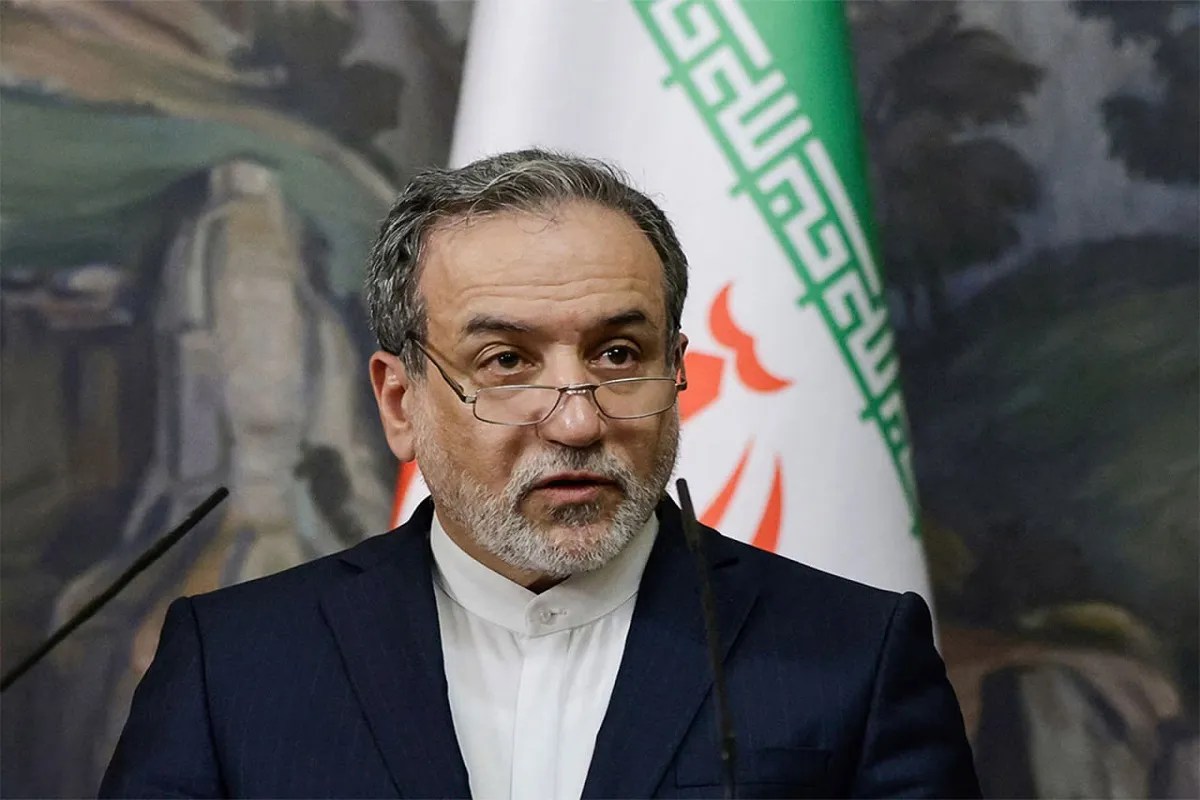
The Middle East is on a knife-edge again. On Saturday morning, a massive blast shook the eastern edges of Tehran, sending panic through a population already exhausted by weeks of military confrontation. Almost simultaneously, Iranian Foreign Minister Abbas Araghchi touched down in Muscat, Oman, for emergency diplomatic talks.
If you're looking at these two events as separate headlines, you're missing the bigger picture. This isn't just another routine diplomatic trip paired with a random accident. It's a high-stakes poker game where a single miscalculation could shut down global energy supplies and trigger an all-out economic shock.
The Truth Behind the Tehran Blast
State media rushed to control the narrative immediately after residents in Pakdasht and Qiyamdasht reported hearing a massive explosion. Local officials claim it was just a pre-scheduled, controlled disposal of obsolete military ammunition. They insist there's no security threat.
But let's look at the timing. This blast occurred right after a brutal 48-hour window where the US and Iran traded heavy military strikes. Iran had just launched attacks on commercial vessels in the Strait of Hormuz, and the US military responded by pounding Iranian infrastructure in Bahrain, Kuwait, Qatar, and Jordan.
When an explosion happens near major military complexes like Parchin during an active conflict, skepticism is natural. Whether it truly was a controlled disposal or a covert strike, the psychological impact remains identical. It reminds everyone that the Iranian capital is highly vulnerable, and the civilian population knows it. The government even threatened citizens with ten-year prison sentences for sharing unauthorized footage of any military damage. That level of panic tells you everything you need to know about how tense things are on the ground.
Why Oman Has Become the Final Safety Valve
Araghchi didn't fly to Muscat for pleasantries. He's there because the Islamabad memorandum of understanding, brokered just weeks ago in mid-June, is rapidly turning to dust.
Oman has historically served as the backchannel mediator between Washington and Tehran. This trip focuses squarely on Article 5 of that recent agreement, which governs the safe transit of commercial shipping through the Strait of Hormuz.
Think about the sheer leverage at play here. Iran recently targeted three commercial vessels, prompting Washington to revoke licenses for Iranian crude oil sales. Araghchi’s stance on social media has been uncompromising, stating that there can only be mutual compliance. If the US cuts off Iran's economic lifeline, Iran threatens to choke off the world's most critical maritime chokepoint.
The Ghost Negotiators in the Background
Some reports indicate that high-level US figures, including Vice President JD Vance and Secretary of State Marco Rubio, are coordinating closely with regional mediators this weekend. Though Iranian sources publicly state they won't negotiate until the US retreats from its current positions, the backdoor channels are wide open.
The primary goal for the US is a public, enforceable pledge from Tehran ensuring secure transit through the strait. The primary goal for Tehran is sanctions relief and a halt to US airstrikes on their regional installations.
The Regional Domino Effect
This isn't happening in an isolated bubble. The broader theater is shifting by the hour. We're seeing unprecedented developments across the region, including a phased Israeli withdrawal from specific pilot zones in southern Lebanon under a framework monitored by US military delegations.
At the same time, Iran’s internal leadership faces immense pressure. Following the death of the previous Supreme Leader, the newly positioned Ayatollah Mojtaba Khamenei has used public channels to demand national revenge, keeping the domestic population primed for conflict. This makes it incredibly difficult for Araghchi to look weak during negotiations. He has to balance the fiery rhetoric required at home with the cold reality of avoiding an economic collapse brought on by total isolation.
What Happens Next
The next 72 hours will dictate whether the region steps back from the precipice or plunges into an unmanageable crisis. Watch these specific indicators to understand where this conflict is heading.
First, track the movement of commercial oil tankers through the Strait of Hormuz over the next two days. If major maritime insurance firms begin suspending coverage for the strait, expect global oil prices to skyrocket immediately.
Second, monitor whether the Omani government issues a joint statement regarding shipping mechanisms. A joint press release will indicate that a temporary freeze on hostilities has been achieved. If the talks collapse without a statement, expect a third consecutive night of military exchanges between US naval forces and regional factions.
The window for diplomacy is closing fast, and the smoke over eastern Tehran proves that time has officially run out for empty rhetoric.



.jpg)