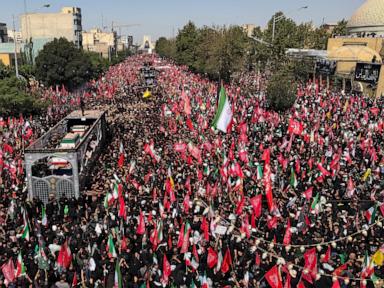
Global energy markets are staring down a massive disruption after a liquefied natural gas tanker caught fire early Tuesday morning off the coast of Oman. The vessel was hit on its port side by an unconfirmed projectile near Limah while trying to exit the waterway southbound. This latest Strait of Hormuz tanker attack didn't happen in a vacuum. It occurred exactly as millions of Iranians flooded the streets of Qom to mourn the country's late Supreme Leader, Ayatollah Ali Khamenei. If you think this is just another isolated maritime incident, you're looking at it completely wrong.
The United Kingdom Maritime Trade Operations center confirmed the strike, noting that while the fire was real, there was thankfully no immediate environmental disaster or crew casualties. Iranian state television quickly dropped a major hint by quoting anonymous sources who claimed the vessel was transport gas from Qatar and had ignored direct warnings from Tehran's regional forces. No official group has signed their name to the strike yet, but you don't need a formal press release to see who benefits from throwing a wrench into international shipping lanes.
The Hidden Conflict Behind the Ship Fires
To truly understand why a random ship gets set ablaze near Oman, we have to look at how the entire rules of global trade are being rewritten. For decades, international waters meant exactly that. Ships moved through recognized corridors, safe under maritime conventions. Iran wants to tear up that old rulebook.
Tehran has been aggressively pushing a new policy. They claim that only the shipping routes running directly along the Iranian coastline and approved by their military are safe. Any captain choosing to use the alternative lane near the Omani shore—a route backed by Oman and a United Nations agency to keep global commerce flowing—is essentially playing Russian roulette with their cargo.
Look at the math behind the madness. During peacetime, roughly 20 million barrels of crude oil and massive quantities of liquefied natural gas move through this narrow maritime chokepoint every single day. That's a fifth of the entire planet's daily energy supply. By launching targeted attacks on ships using the non-approved Omani route, Iran is sending an explicit message to the world: pay our transit fees and use our lanes, or watch your ships burn.
The U.S. Navy and the multinational Joint Maritime Information Center tried to reassure global shipping firms on Monday, publicly declaring that the Omani passage had been expanded and was completely open for all traffic. The data firm Kpler even tracked at least 108 ships successfully making the transit over the weekend. Then, a few hours later, a projectile tears through a hull. It's a direct challenge to Western naval power.
Power Vacuums and Funerals in Iran
The timing of this attack tells us more than the projectile itself. Iran is currently frozen in a state of massive domestic upheaval. The country is halfway through a grueling six-day state mourning period following the death of Ayatollah Ali Khamenei, who was killed earlier this year in a joint U.S.-Israeli strike that kicked off the current conflict on February 28.
The political atmosphere inside Iran right now is a powder keg.
- Millions of mourners lined the streets as Khamenei’s body was flown overnight to the Shiite seminary city of Qom.
- Banners are plastered across major cities showing the late leader alongside his son, Ayatollah Mojtaba Khamenei, who is widely expected to take the reigns as the next Supreme Leader.
- Crowds at the state-sponsored funerals are openly chanting for the death of U.S. President Donald Trump.
Despite being positioned as the heir apparent, Mojtaba Khamenei has kept a remarkably low profile during these public ceremonies. He faces immense pressure from hardliners within the Islamic Revolutionary Guard Corps to project absolute strength. Ordering or greenlighting a deniable strike on a multi-million dollar Western-linked vessel right as his father's body is paraded through Qom is a textbook way to cement his anti-Western credentials with the military elite.
The Failed Ceasefire and the Trump Ultimatum
We were supposed to be in a period of calm. The United States and Iran had previously agreed to a temporary, one-week pause in hostilities to allow the massive funeral processions to take place without immediate threat of war. That brief window expired just hours before the tanker went up in flames. Indirect diplomatic talks held in Doha last week were supposed to extend this pause into a broader, long-term peace agreement that would roll back Iran's nuclear program and finally secure the shipping lanes. Those talks collapsed because neither side is willing to blink.
Donald Trump didn't mince words on Monday from the White House, issuing a blunt ultimatum that left very little room for diplomatic maneuvering. He warned the Iranian leadership that they need to make a deal immediately or the U.S. military is going to finish the job. Trump openly stated his preference for a deal to avoid impacting 91 million people, but followed it up with a heavy threat: the U.S. can knock down Iran's bridges and knock out their entire domestic energy supply in less than an hour.
Iran's military high command shot back almost instantly. They declared that any U.S. naval interference with vessels within the gulf will face a rapid, decisive military reaction. It's a classic escalatory cycle where a single miscalculation by a destroyer captain or an Iranian drone operator can turn a localized proxy war into a massive regional conflagration.
What Happens to the Global Economy Next
If you think this conflict is a localized issue confined to the Middle East, check your household bills. When a tanker burns in Limah, insurance premiums for every single commercial vessel on earth spike overnight. Shipping companies are already recalculating their routes, with some considering the long, incredibly expensive journey around the southern tip of Africa just to avoid the Persian Gulf entirely.
The immediate fallout will hit energy prices first. Qatar is a massive exporter of natural gas to Europe and Asia. Targeting a vessel suspected of carrying Qatari gas signals that no exporter is safe if they don't comply with Tehran's geopolitical demands. We're looking at a situation where energy costs could easily spike by double-digit percentages if these strikes become a weekly occurrence.
The Western alliance is caught in a brutal trap. If they don't respond militarily, they concede control of the world's most critical energy artery to Iran, allowing Tehran to extort global shipping via forced transit fees. If they do retaliate by striking Iranian missile sites or port infrastructure, Iran has already proven it will retaliate by hitting oil infrastructure inside neighboring Gulf Arab states, dragging the entire global economy down with them.
Immediate Next Steps for Maritime Security
The situation isn't going to fix itself while Iran prepares for Khamenei's final burial at the Imam Reza shrine in Mashhad this Thursday. Shippers and energy analysts need to adjust to this reality right now.
- Commercial operators must immediately re-verify all transit insurance policies to ensure coverage extends to active conflict zones within the Omani corridor.
- Logistics teams should expect severe transit delays and proactively factor in alternative routing options through the Cape of Good Hope for high-value energy payloads.
- Security teams on civilian vessels must maintain maximum readiness and coordinate directly with the U.S. Fifth Fleet and UKMTO tracking systems when approaching the Limah transit zone.
The era of safe, unhindered passage through the world's primary chokepoints is officially on hold.


.jpg)