The fragile diplomatic bridge between Washington and Tehran didn't just crack this week. It completely shattered.
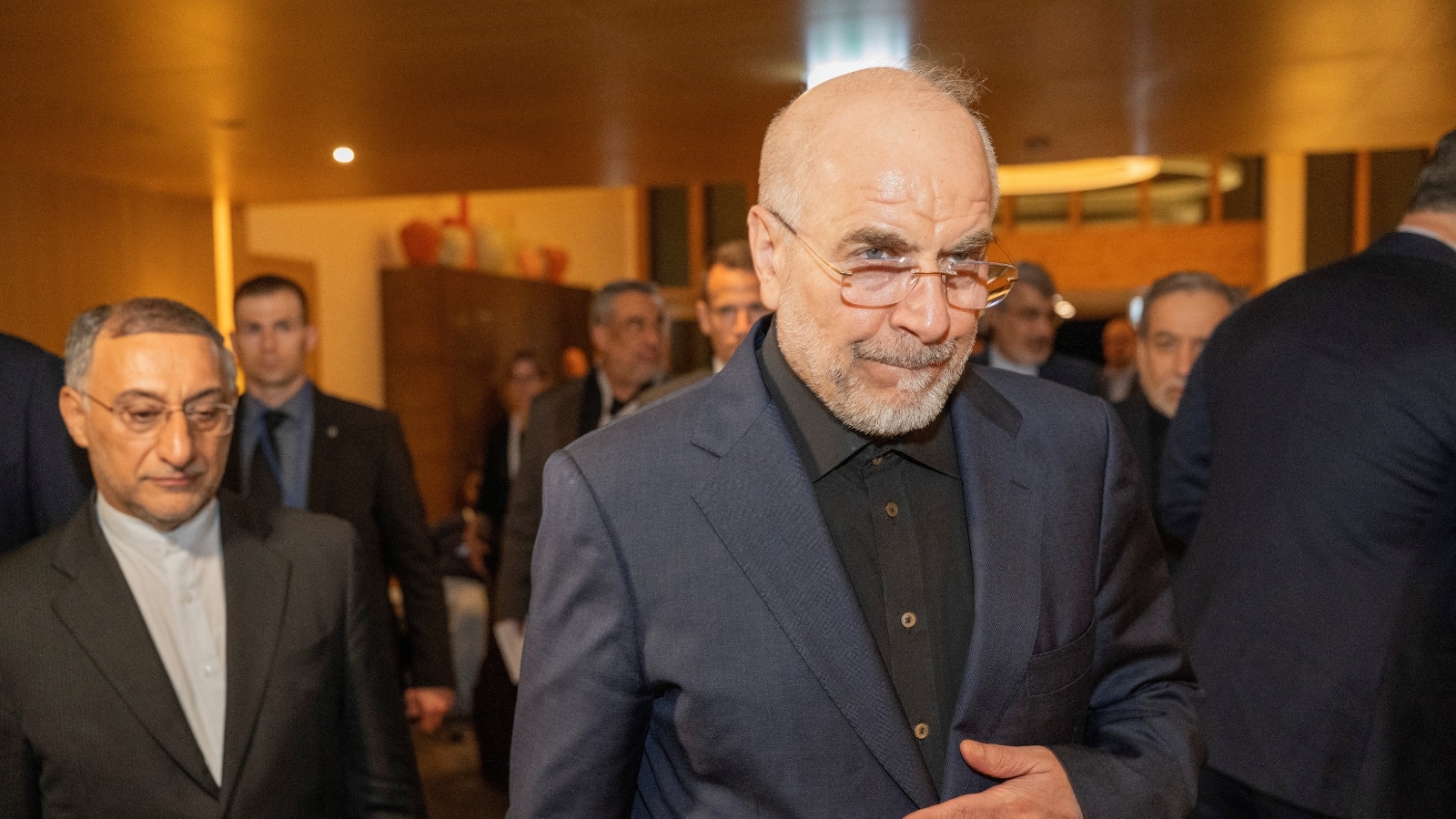
If you've been reading the mainstream headlines, you've probably seen the dramatic warnings from Iranian Parliament Speaker and chief negotiator Mohammad Bagher Ghalibaf. His declaration on X—"If you strike, you will be struck"—and his insistence that the Strait of Hormuz will only open under "Iranian arrangements" sound like the typical fiery rhetoric we've come to expect from Tehran.
But looking only at the surface level misses the real story. This isn't just another round of Middle Eastern sabre-rattling. It is the violent unraveling of a meticulously negotiated ceasefire deal, and the stakes for global oil markets haven't been this high in years.
The Illusion of the Performance-Based Peace
To understand why Ghalibaf is drawing a hard line right now, we have to look back at the Memorandum of Understanding (MOU) signed on June 17. The interim agreement was supposed to be a win-win. Tehran committed to reopening the strategic Strait of Hormuz to ease global energy pressures, and in exchange, the Trump administration issued a general license allowing the Islamic Republic to sell its crude oil on the international market.
It didn't last. The fundamental flaw of the deal was its "performance-based" nature. Washington expected immediate "good behavior" from Iran, while Tehran expected unconditional relief from crippling economic sanctions.
The timeline of the breakdown happened rapidly:
- The Catalyst: US Central Command (CENTCOM) accused Tehran of launching attacks against three commercial vessels transiting the strait, calling it a direct violation of the June agreement.
- The Economic Sanction: In response, the US Treasury abruptly revoked the general license for Iranian oil sales to impose immediate consequences.
- The Military Strike: Hours later, the military escalation turned physical. CENTCOM launched massive airstrikes against roughly 80 Iranian military targets in southern and southeastern Iran, aiming to degrade their maritime threat capabilities.
When Ghalibaf says the US has yet to learn that "bullying and breaking promises no longer come without cost," he is speaking directly to the revocation of that oil waiver. From Tehran's perspective, the US broke the deal first. From Washington's view, Iran never stopped targeting ships.
Why the Strait of Hormuz Is Non-Negotiable
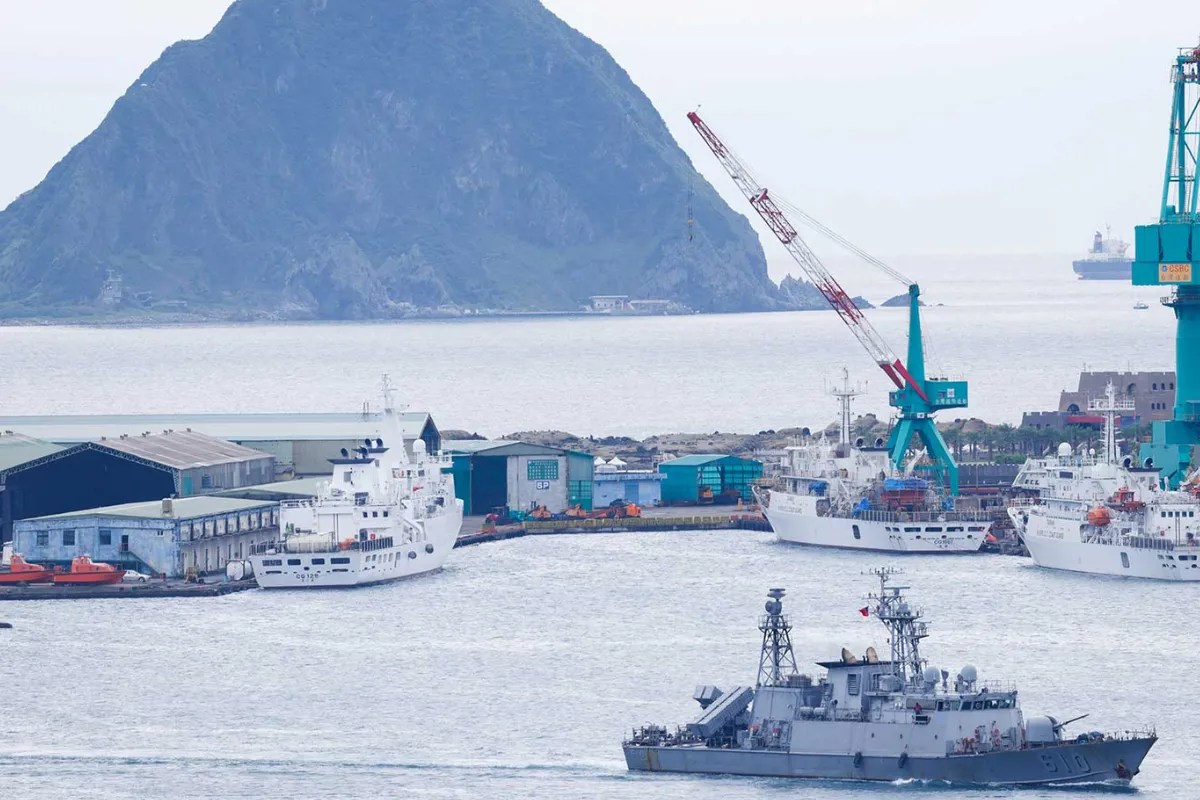
The economic reality explains why both sides are willing to risk a full-scale war over a narrow strip of water. The Strait of Hormuz is the world's most critical oil chokepoint. Nearly a fifth of the world's petroleum passes through it daily.
[Persian Gulf] ---> [Strait of Hormuz] ---> [Gulf of Oman / Global Markets]
                         |
           (Only 21 miles wide at narrowest)
Ghalibaf's latest statements reveal a deeper anxiety within the Iranian regime. Hardliners in Tehran have been hammering Ghalibaf and President Masoud Pezeshkian for weeks, accusing them of surrendering Iran’s historical authority over the waterway.
Recent satellite tracking data from maritime analytics firm Kpler exposed a significant shift: many non-Iranian commercial vessels have begun diverting through Omani territorial waters under heavy US naval escort, effectively bypassing the Iranian-controlled shipping lanes.
Conservative critics inside Iran labeled the alternative route an "Oman-American corridor" and called it an unforgivable diplomatic failure. Ghalibaf's aggressive public stance isn't just meant for US President Donald Trump at the NATO summit in Ankara; it is a desperate attempt to protect his political flank at home. Iran's main command center, the Khatam al-Anbiya Central Headquarters, reinforced this by explicitly stating they will not tolerate any alternative management of the strait.
The Intelligence Dilemma and What Happens Next
The situation is further complicated by intense behind-the-scenes intelligence friction. Reports surfaced indicating that the US had previously warned Iran through regional intermediaries about alleged Israeli plots to assassinate top Iranian negotiators, including Foreign Minister Abbas Araghchi and Ghalibaf himself. While Washington has pivotally shifted toward securing a negotiated settlement to maintain regional stability, the recent military strikes indicate that diplomatic patience has entirely run out.
Trump's blunt assessment from Ankara tells you everything you need to know about where US policy stands right now. He declared the weeks-long ceasefire "over" and a "waste of time," openly predicting more heavy strikes.
If you are tracking this conflict for its impact on global markets or international security, do not expect a quick return to the negotiating table. The communication lines established in Switzerland to avoid maritime misunderstandings are effectively dead.
The immediate next steps will play out on the water. Watch for whether Iran attempts a total physical blockade of the strait using sea mines and drone swarms, or if the US military successfully forces the alternative Omani shipping route into permanent operation. If Tehran follows through on Ghalibaf's promise to strike back, the temporary trade disruptions of the past few months will look like a minor bump in the road compared to the energy crisis ahead.

:max_bytes(150000):strip_icc()/TAL-nassau-bahamas-BEAUTCARIB0323-4fbfce903e5a4418b895e03717e3de0d.jpg)