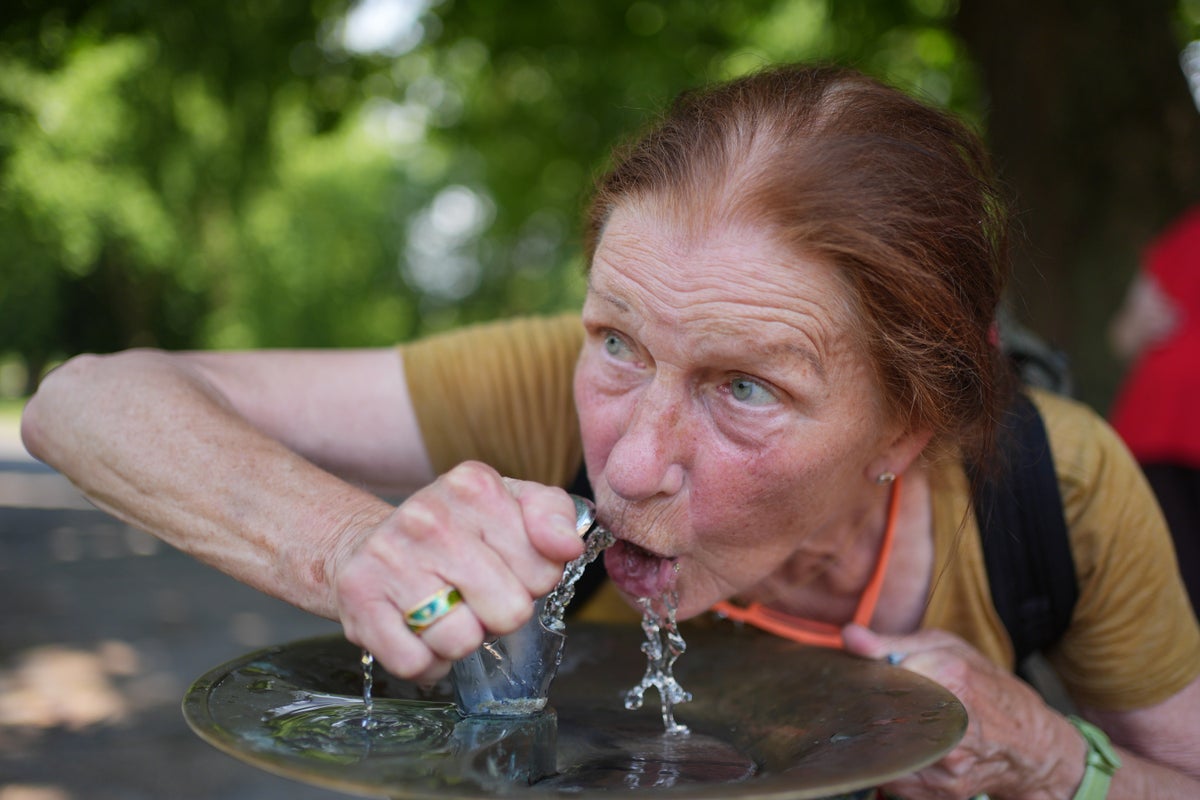
Europe is literally cooking, and the numbers are terrifying. If you think a European summer is all about picturesque beaches and iced lattes, the latest data from the World Health Organization (WHO) will snap you back to reality. Since June 21, more than 1,300 excess deaths have been recorded across the continent due to a brutal, record-breaking heatwave.
This isn't just a string of hot days. It's a full-blown public health emergency. France alone saw a horrifying surge of 1,000 additional deaths in just three days. Think about that. A country with a world-class healthcare system couldn't protect its most vulnerable from the sheer intensity of the weather. Meanwhile, you can find similar stories here: Why The Us Iran Ceasefire Is Tanking And What Comes Next.
The underlying issue is simple. People are searching for answers about why the continent is suddenly unlivable in June, wondering if their upcoming travel plans are safe, or trying to figure out how to survive without air conditioning. The blunt truth is that Europe is the fastest-warming continent on Earth, heating up at twice the global average. The infrastructure isn't ready, and the body count is rising.
The Silent Killer Inside European Homes
When we talk about heatwave casualties, people often picture tourists collapsing on the streets of Paris or Rome. That's a misconception. The reality is much grimmer. Most people are dying quietly inside their own homes. To see the complete picture, we recommend the excellent report by USA Today.
In France, health officials noted a 40% spike in people dying at home during the worst stretch of the weather. Roughly 85% of those who lost their lives were aged 65 and above.
Why is this happening? Look at how Europe was built. For centuries, homes, schools, and workplaces across the UK and central Europe were designed to keep heat in, not out. Thick masonry, insulation meant for freezing winters, and a historic lack of air conditioning have turned apartments into literal brick ovens. When the sun goes down, the buildings don't cool off. They trap the energy, keeping indoor temperatures dangerously high throughout the night. Your body never gets a chance to recover.
WHO Director-General Tedros Adhanom Ghebreyesus didn't mince words on social media, calling heat stress a "silent killer." When it hits 40°C (104°F) in places that rarely see 30°C, the human body struggles to cope. It's not just about heat stroke. Extreme heat strains your heart, lungs, and kidneys. If you have an underlying condition, the heat pushes your organs over the edge.
Shattering Records in June
We aren't even in the peak of summer yet. Historically, Europe sees its worst spikes in late July or August. Smashing all-time records in June is like getting a blizzard in October—it's completely out of sync with natural patterns.
The heatwave has been creeping steadily eastward, leaving a trail of broken records in its wake:
- Germany: Registered its hottest day on record for three consecutive days, peaking at 41.7°C in Coschen.
- Poland: Smashed its national record with 40.5°C in Slubice.
- Czech Republic: Hit 41.1°C in Doksany, the first time the country has ever officially crossed the 41°C threshold.
- France: Experienced an additional 1,000 deaths above its normal daily baseline of 900 to 1,000.
Meteorologists point to a massive "heat dome" anchoring itself over the continent. Sinking air compresses and warms as it descends, acting like a giant lid on a pot. It prevents clouds from forming, meaning the sun beats down relentlessly on the dry ground day after day, amplifying the temperature.
Scientists from the World Weather Attribution group have already analyzed the data. Their verdict? A June heatwave of this severity would have been practically impossible fifty years ago. Today, because of fossil fuel reliance and global warming, this type of extreme weather is 200 times more likely. What used to be a once-in-a-generation anomaly is now an annual expectation.
The Collateral Damage Nobody Thinks About
The crisis stretches far beyond heat stress statistics. It's buckling infrastructure and forcing authorities to make drastic calls to keep people alive. Right now, roughly 150 million people are living under extreme heat warnings.
Look at the secondary casualties. French Interior Minister Laurent Nuñez revealed that at least 74 people have drowned since the heatwave started. People are desperate to cool down, so they dive into rivers, lakes, and unsupervised canals. Cold water shock and hidden currents turn these desperate swims fatal within minutes.
Power grids are also reaching their breaking points. Everyone who owns a fan or a rare AC unit is running it at maximum capacity. The surge in electrical demand threatens blackouts, which would kill the very cooling systems keeping people stable.
Major cultural events are vanishing from the calendar too. In the Netherlands, organizers called off the Defqon.1 music festival after a code red warning. Paris banned public takeaway alcohol and cancelled its Pride march to keep emergency services from being overwhelmed by heat-weakened crowds.
How to Protect Yourself When the Air is Boiling
If you're currently in Europe or planning to travel there soon, you can't rely on the local infrastructure to keep you cool. You have to take immediate, active steps.
Lock Down Your Living Space
Don't keep your windows open during the peak of the day thinking it creates a breeze. If the air outside is 38°C, you're just letting a blow-dryer into your room. Keep your curtains, blinds, and windows completely shut from 9:00 AM until the sun sets. Open them up at night only when the outside air drops below the indoor temperature.
Monitor Vulnerable Neighbors
If you have elderly relatives or neighbors living alone, check on them twice a day. They might not realize how dehydrated or overheated they are because the body's thirst mechanisms weaken with age. Make sure they're actually drinking water, not just tea or coffee, which act as diuretics.
Know the Red Flags
Heat exhaustion can turn into life-threatening heat stroke incredibly fast. If you or someone else starts experiencing heavy sweating, a rapid pulse, dizziness, nausea, or a headache, get into the shade or an air-conditioned space immediately. Sponge down with cool water. If they become confused, lose consciousness, or stop sweating despite the heat, call emergency services instantly.
The days of treating European summer heatwaves as a novelty are over. The climate has shifted, and the continent is playing a dangerous game of catch-up. Stay inside, keep hydrated, and don't underestimate the quiet lethality of a hot room.