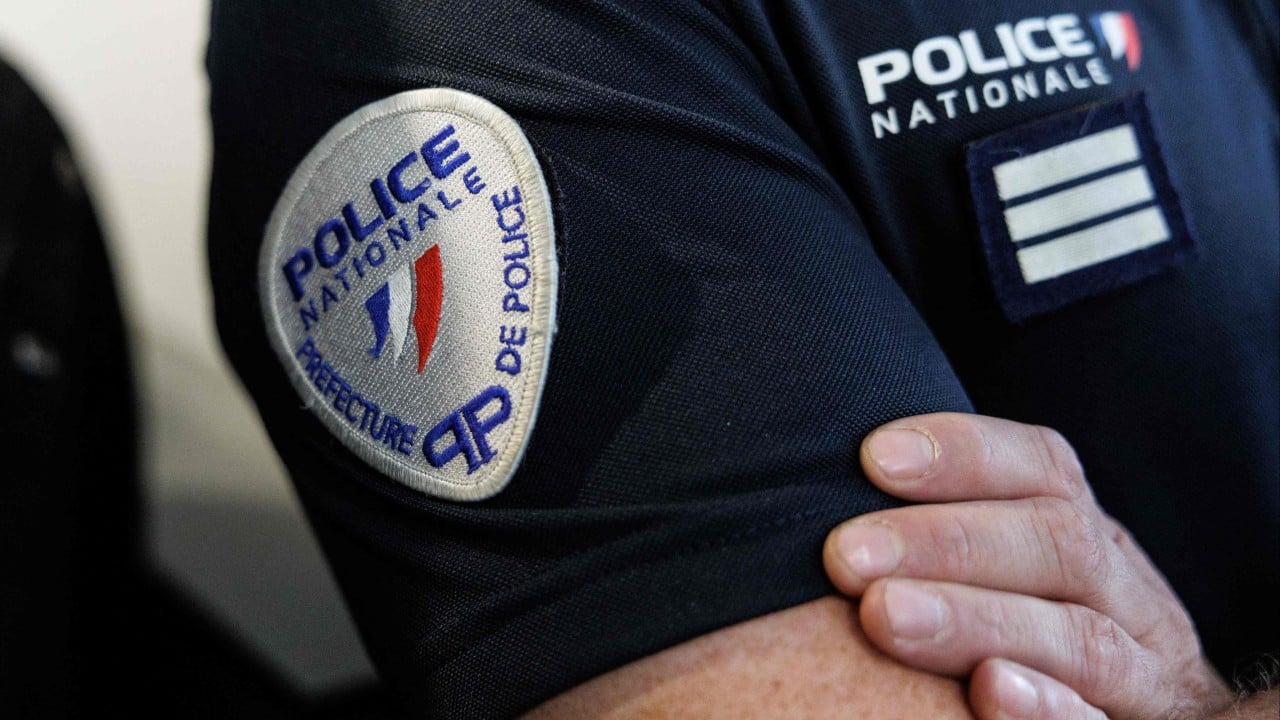
The horrific news out of Beuvrages, a small town in northern France near Valenciennes, hits like a physical punch to the gut. Emergency workers walked into a home at 1:30 PM on a Monday and found two 15-month-old twin girls dead in their beds. They weren't just dead. They were in a state of rigor mortis. The cause of death was severe dehydration.
Their parents are now sitting in a French police cell while a formal investigation gets underway. We don't know the full story behind closed doors yet, but we do know what happened outside. Over the weekend, the Nord department of France was baking under a brutal, maximum-level red heatwave alert. Temperatures across parts of France shattered limits, pushing past 42°C (107°F). Learn more on a related topic: this related article.
This isn't an isolated tragedy. It's part of a terrifying shifting reality. The same scorching weekend saw two young siblings aged 2 and 4 suffer cardiovascular arrest inside a car in southeastern France, alongside a spike in elderly heat fatalities and sudden drownings. We can't keep treating extreme summer weather as an unexpected surprise.
The Deadly Speed of Toddler Dehydration
Most people don't realize how fast a toddler's body shuts down when ambient temperatures spike. Small bodies don't regulate heat the way adults do. Adults sweat efficiently to cool off, but a 15-month-old baby has a much higher surface-area-to-mass ratio. They absorb heat from their surroundings at a rapid clip, yet their sweat glands aren't fully mature. Additional reporting by Reuters highlights similar views on this issue.
When a red heatwave alert hits, an uncooled room can transform into an oven within hours. A toddler's body water turnover is three times higher than an adult's. If they aren't aggressively hydrated, the downward spiral happens in a flash.
- The Early Stage: Mild sweating, lethargy, and a dry mouth. Toddlers become irritable but might not demand water because extreme heat dulls their normal thirst responses.
- The Critical Stage: The skin gets hot and flush, eyes look sunken, and crying produces no tears. Urination stops entirely. This means the kidneys are already struggling.
- The Fatal Stage: Blood volume drops as fluid evaporates from the tissue. The heart pumps frantically to keep blood pressure up, eventually triggering hypovolemic shock and organ failure.
In the Beuvrages case, the responders found the twin girls already rigid. That means they had been dead for hours before the parents ever called emergency services.
When a Red Heatwave Becomes a Medical Emergency
France uses a color-coded weather warning system managed by Météo-France. A red alert is the absolute highest tier. It means the weather poses a direct threat to public health and even healthy individuals are at risk. But the real danger lies inside older, poorly insulated European brick and concrete housing.
These buildings were engineered decades ago to trap heat during freezing winters. They don't have central air conditioning. When consecutive torrid nights offer no cooling relief, the structural materials absorb thermal energy all day and radiate it straight back into the living spaces all night. Air conditioning isn't a luxury anymore. It's basic life support.
The legal system will parse out exactly what the parents were doing during those fatal hours. Neglect charges are highly likely when children die under these circumstances, but the broader crisis points to a massive gap in how communities protect the vulnerable during extreme weather events.
Protecting Your Family When the Heat Spikes
You can't wait for a red alert to take action. If you care for small children or elderly relatives during a major summer heatwave, your daily routine has to completely shift.
First, track fluid intake systematically. Don't rely on a toddler to tell you they're thirsty. Offer water or rehydration solutions every single hour. Keep track of wet diapers. If a toddler goes more than six hours without a wet diaper, you're looking at a dangerous medical situation.
Second, understand your living space. If your home doesn't have air conditioning and the indoor temperature climbs past 32°C (90°F), you need to leave. Seek out public cooling spaces, air-conditioned malls, or community centers during the peak hours of the afternoon.
Finally, recognize that fan air doesn't cool a room when the ambient temperature is higher than human body temperature. It just blows hot air across the skin, accelerating dehydration like a convection oven. Wet towels, cool baths, and closed shutters are your best non-AC defenses.
The tragedy in northern France is a stark, heartbreaking reminder that summer heatwaves aren't an excuse for a beach day anymore. They are dangerous meteorological anomalies that require absolute vigilance.