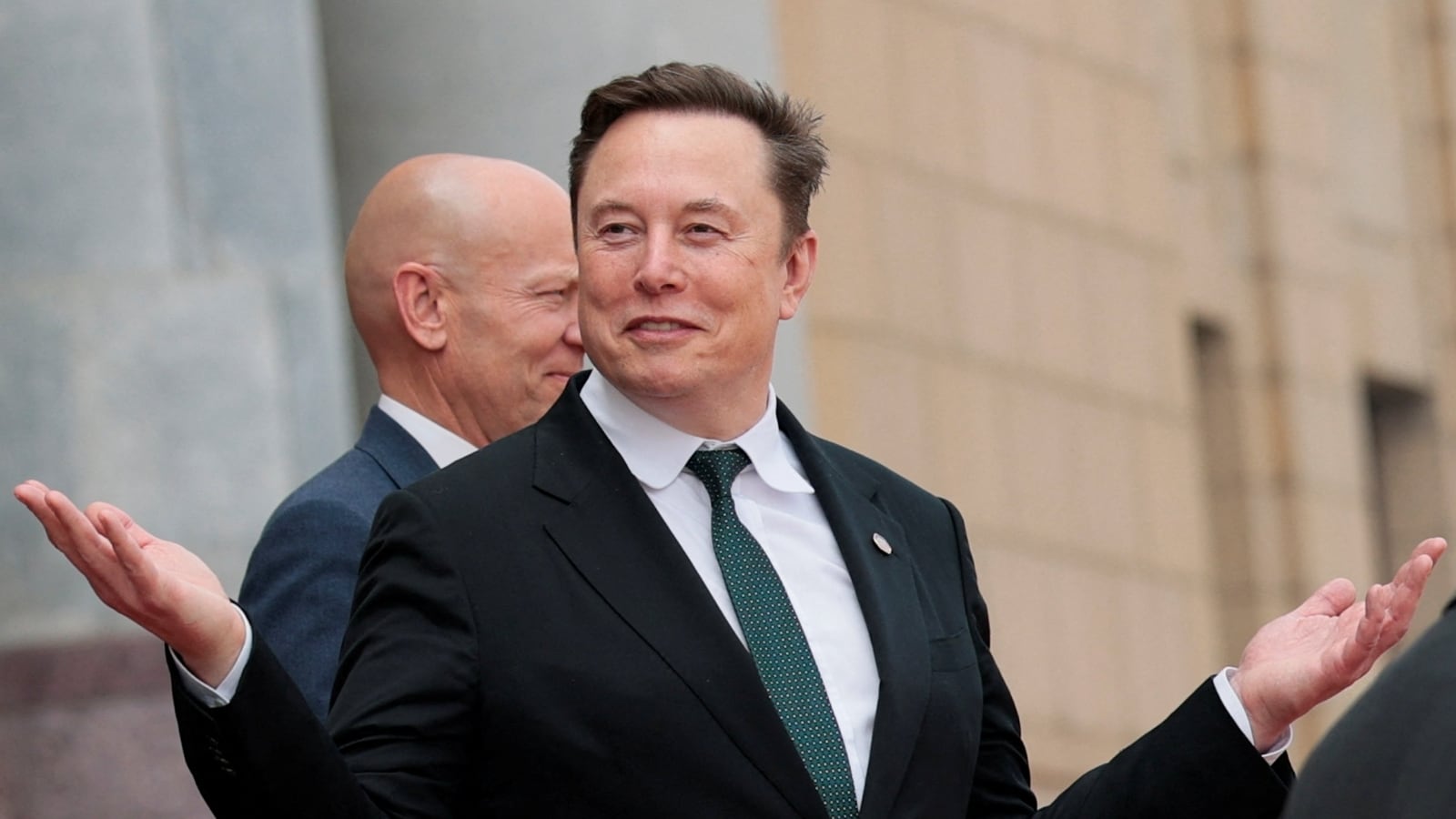
Elon Musk has to face the music under oath. A federal judge just ordered the billionaire to testify in two class-action lawsuits stemming from his controversial 2024 election giveaway. If you thought his legal troubles from that high-stakes political stunt were buried in the past, think again.
The core issue rests on a simple premise. Did Musk trick voters? You might also find this similar article insightful: Why The Next Strike On Iran Will Actually Come From Iraq.
During the frantic final weeks of the 2024 presidential campaign, Musk and his political action committee, America PAC, dangled a massive carrot in front of registered voters in seven crucial swing states. Sign a petition supporting the First and Second Amendments, and you might win $1 million. Every single day. It sounded like a massive lottery. It looked like one too.
Now, the legal fallout is hitting a critical juncture. U.S. Magistrate Judge Susan Hightower in Austin, Texas, issued a major ruling that reshapes the legal battlefield. While she recommended narrowing the legal scope by throwing out a breach of contract claim, she kept the heavy-hitting fraud claims alive. Musk wants the cases gone. The courts aren't letting him off that easily. As reported in recent reports by NBC News, the effects are widespread.
The Illusion of Randomness and the Spokesperson Trap
To understand why this is a big deal, you have to look at what actually happened behind the scenes. Millions of people signed that petition. They handed over their names, phone numbers, and addresses. They did it because they believed they had a real, fair shot at winning life-changing money.
They didn't.
The lawsuits, brought forward by Arizona residents Joy Harvick and Jacqueline McAferty, allege a systematic deception. The plaintiffs argue that the winners weren't chosen randomly at all. Instead, the whole operation operated as a targeted marketing campaign.
The lawyers representing Musk basically admitted this during a previous court scramble in Pennsylvania. They explicitly stated that the winners were selected based on who would make a good spokesperson for America PAC. They weren't picked out of a hat. They were vetted, chosen, and handed a giant check because their values aligned perfectly with the PAC's political goals.
That is the crux of the fraud claim. You can't tell the public that an selection is random when you already know exactly who is going to win before the daily announcement.
What the Judge Actually Decided in Texas
Judge Hightower didn't give either side a total victory. That is how the legal system usually works. It is messy and incremental.
First, she recommended that the fraud claims move forward. This means Jacqueline McAferty can continue pursuing her case regarding the allegation that America PAC tricked voters into giving up their highly valuable personal identifying data under false pretenses. Data is currency. Giving it away based on a rigged game is a serious problem.
Second, Hightower recommended throwing out the breach of contract claims. Why? Because legally speaking, a classic contract requires an exchange of value where both parties understand the exact terms. The judge found that the setup didn't meet the strict legal definition of a binding contract in this specific context.
This creates an interesting dynamic for U.S. District Judge Robert Pitman, who will ultimately review these recommendations and make the final call. The case is narrower now, but the remaining fraud charges carry a massive punch.
The Surprise Deposition That Exposed the Panic
One of the most damning pieces of evidence to surface comes from inside America PAC itself. Christopher Young, the director of the PAC, sat for a deposition in February 2026. His testimony reveals a deep disconnect between what Musk was saying on stage and what the legal team had actually planned.
Young admitted under oath that he was surprised by Musk's choice of words during the campaign trail. Musk kept calling the giveaway random. Young testified that this specific phrasing was definitely not the way the organizers, in consultation with their legal counsel, had discussed running the program.
Imagine running a massive political operation and watching your billionaire backer go rogue on a microphone. It creates an absolute nightmare for defense attorneys. The internal team knew they were selecting spokespeople. Musk kept selling it as a lucky lottery draw.
That disconnect is exactly why Judge Hightower ruled that it remains an open question whether Musk acted recklessly when he promised random payouts. To prove fraud, you have to show intent or gross recklessness. Musk's own team just provided the fuel for that fire.
Why Personal Data Trumps the Million Dollar Payout
Many onlookers wonder why people are still fighting this in 2026. The election is over. Donald Trump won his presidency, backed heavily by Musk's financial muscle. The cash has already been distributed to those 18 winners.
This fight matters because of data privacy and corporate accountability.
When you sign a digital petition, you aren't just putting ink on paper. You are surrendering your digital footprint. America PAC amassed a massive, highly specific database of swing-state voters who lean toward specific political ideologies. That database is worth millions of dollars for future political cycles.
If a company or a billionaire uses a deceptive lottery to build a political database, it sets a terrifying precedent. If Musk gets away with a simple slap on the wrist, every major political donor will use the exact same playbook in the next election cycle. They will offer big cash prizes, rig the outcomes behind closed doors, and harvest millions of voter profiles without any real oversight.
The Road Ahead for Musk and America PAC
Musk cannot dodge this deposition forever. He has tried to avoid testifying in multiple legal arenas before, but federal judges have a way of running out of patience. Being forced to testify under oath means he will have to answer incredibly uncomfortable questions about what he knew, when he knew it, and why he chose to use the word "randomly" to describe a targeted political hiring process.
If Judge Pitman adopts Hightower's recommendations, the discovery phase will intensify. We will likely see internal emails, text messages, and strategy memos from America PAC layout exactly how they engineered this giveaway.
The plaintiffs aren't backing down. They want financial compensation for the millions of voters who were misled, and they want to hold America PAC accountable for how it handles the data it collected.
Pay close attention to how this unfolds in the coming months. The legal boundaries of political campaigning are being rewritten in a Texas courtroom, and the world's richest man is right in the crosshairs. If you want to protect your personal data from predatory political campaigns, you should hope the courts hold the line. Keep an eye on Judge Pitman's final order to see if Musk's team can wriggle out of the fraud claims or if they are headed straight to a full-blown federal trial.