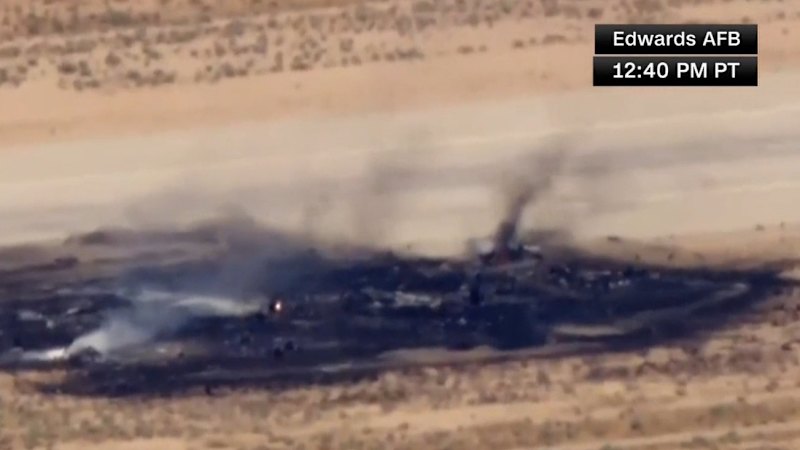
A cloud of black smoke over the Mojave Desert just signaled a massive tragedy for the US military. On Monday morning, a B-52 Stratofortress went down shortly after takeoff at Edwards Air Force Base in California. Eight personnel were on board during what officials called a routine test mission. The base statement was blunt: initial indications show the crash was not survivable.
This isn't just another routine accident report. It's a wake-up call regarding the extreme stress we are putting on America's aging strategic bomber inventory. Air Force officials haven't confirmed whether the aircraft was carrying weapons, but the airfield remains completely locked down, and all visitor passes are frozen as emergency teams clear the charred wreckage.
Inside the Monday Morning Disaster at Edwards Air Force Base
The timeline of the disaster unfolded rapidly. At 11:20 a.m. local time, the massive Boeing B-52 rolled down the runway at Edwards, located roughly 100 miles northeast of Los Angeles. Seconds later, something went horribly wrong. Aerial footage tracked by local recovery teams showed a wide swath of scorched desert right near the edge of the strip. The airframe itself was virtually obliterated.
The presence of eight crew members on board indicates this was heavily linked to systems testing. While a standard B-52 operational crew consists of five people—pilot, copilot, radar navigator, navigator, and electronic warfare officer—test flights out of Edwards frequently carry extra engineers, instructors, or technical observers to monitor hardware performance.
The Reality of Flying 70 Year Old Airframes
Let's look at the numbers because they tell a terrifying story about tech fatigue. The B-52 Stratofortress entered active service in 1955. The exact tail print that went down on Monday was part of a fleet that has been patched, upgraded, and flown through every major global conflict from Vietnam to recent high-intensity airstrikes in the Middle East.
The Pentagon plan is to keep these exact planes flying until 2050. Think about that. We are asking crews to fly a multi-engine nuclear-capable platform that will physically turn 100 years old while in active service.
Maintaining these machines requires brute force engineering. Parts aren't manufactured anymore; maintenance crews regularly have to scavenge components from retired airframes sitting in the "Boneyard" at Davis-Monthan Air Force Base in Arizona. When you fly an aircraft built during the Eisenhower administration on complex test runs, the margin for mechanical failure is razor-thin.
Systemic Pressure on US Strategic Bomber Fleets
Military analysts know that Edwards is the crucible for aviation testing, meaning the aircraft there are pushed way past standard operational envelopes. This specific B-52 strategic bomber crash happens at a time when the entire global fleet is facing unprecedented operational deployment tempos.
Just months ago, B-52s were flying continuous long-range strike missions as part of Operation Epic Fury, hammering command-and-control networks and ballistic hubs. When these aircraft aren't deployed in combat, they're undergoing aggressive electronic overhauls to carry modern hypersonic weapons and updated digital flight decks.
The strain isn't isolated to the B-52. The entire US bomber triad is struggling under the weight of age and delay:
- The stealthy B-2 Spirit fleet is tiny, numbering fewer than twenty aircraft, making any single maintenance delay a massive blow to availability.
- The swing-wing B-1B Lancer has suffered frequent grounding orders in recent years due to fuel filter issues and ejection seat failures.
- The next-generation B-21 Raider is in testing, but it won't be ready in massive numbers to replace these older legacy platforms anytime soon.
What Happens Next in the Investigation
An Air Force safety investigation board will take over the Edwards site immediately. They will look closely at the engine maintenance logs and structural telemetry. The B-52 relies on eight Pratt & Whitney TF33 engines. Catastrophic engine failure or catastrophic uncontained fires right at the point of takeoff leave pilots with almost zero options for recovery, especially when the aircraft is heavy with fuel.
For now, the immediate focus stays on recovering the remains of the eight personnel lost in the Mojave sand. Airfield diversions remain active for all inbound military flights to Southern California, and the base command will keep the installation restricted until the debris field is fully mapped.
If you are tracking updates on this military aviation incident, look for official briefings from the 412th Test Wing at Edwards. Avoid early social media speculation regarding flight deck recordings until the formal Department of the Air Force accident investigation board releases its preliminary findings, a process that usually takes several weeks.