When Mexico and Brazil crashed out of the World Cup in the round of 16 on a single, disastrous Sunday, football fans weren't the only ones crying into their drinks. Global brewing executives felt the sting right in their balance sheets. For months, multinational alcohol giants treated this tournament as their ultimate catalyst for volume growth. They built up logistics networks, expanded truck fleets, and poured hundreds of millions into targeted marketing campaigns across Latin America.
Then came the whistle. Both powerhouse nations went home early.
The immediate result was a brutal hangover for beverage equities. Shares of Anheuser-Busch InBev tumbled more than 4% on the Brussels exchange. Heineken slipped 1.4% in Amsterdam. In New York, Constellation Brands, which handles heavy hitters like Modelo and Corona in the American market, plunged 4.9% to hit its lowest valuation since late last year. Even Ambev, the Brazilian crown jewel of the AB InBev empire, shed 2.5% in São Paulo trading.
This isn't just a temporary blip or overreaction by flighty retail traders. It reveals a structural vulnerability in how the world’s largest consumer defensive corporations tie their near-term earnings targets to the unpredictable feet of twenty-something athletes. When a massive market like Brazil exits early, the anticipated consumption spike evaporates overnight.
The Hard Math Behind Soccer and Alcohol Sales
Wall Street and European analysts are scrambling to adjust their third-quarter models. A widely circulated investor note led by Sarah Simon at Morgan Stanley points out an uncomfortable reality. Beer volumes do not just increase because a tournament is happening. The real, high-margin volume growth occurs the longer a national team stays alive in the brackets.
Think about how fan behavior works.
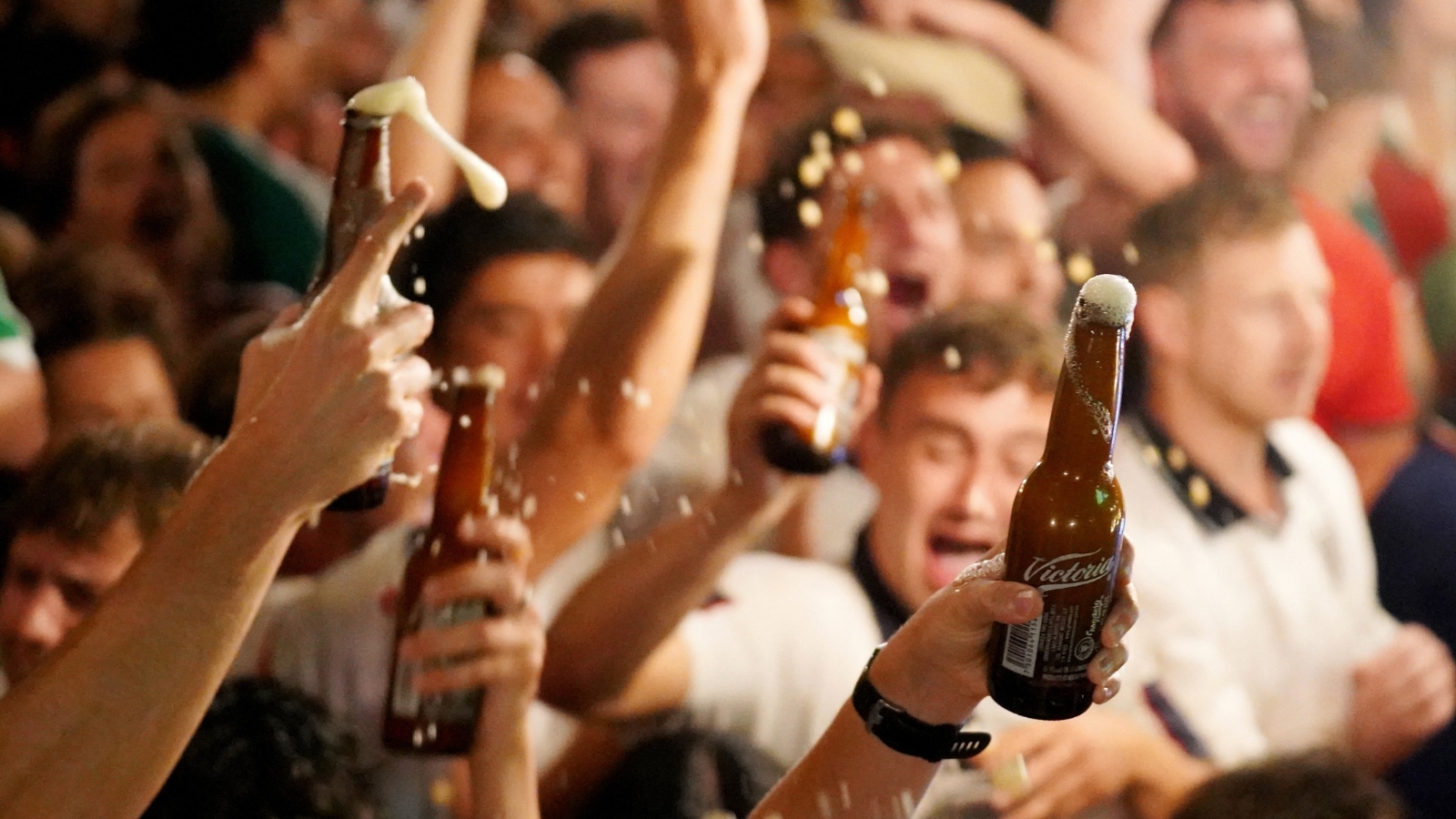
During the group stages, fans watch casually. They buy a few six-packs or head to a local bar. The matches are frequent but low stakes. True peak consumption happens when the tournament enters the pressure-cooker knockout stages. As the games become monumental events, casual viewers transform into frantic party hosts. Gatherings double in size. People stay at bars longer. The beer flows freely because emotion dictates spending.
When a team exits in the round of 16, you lose weeks of peak-intensity viewing. The casual fans stop tuning in. The watch parties get canceled. The local bars that ordered extra kegs suddenly find themselves with stagnant inventory. Morgan Stanley explicitly warned that Latin American beer volumes for the third quarter are now at high risk of missing market expectations. AB InBev is uniquely exposed here. The company generates a massive chunk of its global revenue directly from the passionate, beer-loving populations of Mexico and Brazil.
The Logistical Nightmare of a Cancelled Party
To truly understand why these early exits hurt corporate profits, you have to look at the massive supply chain machinery that moves before a ball is even kicked. Beverage distribution is a heavy, slow-moving beast. You cannot just turn it off with a remote control.
Take Mexico's hosting setup. Before the tournament opened, reports from firms like Deloitte indicated that beer sales were projected to drive up to 65% of all tournament-related retail spending in host cities like Mexico City, Monterrey, and Guadalajara. Brewers were expecting a near 10% volume spike compared to a standard non-tournament summer.
To prepare for that surge, the industry had to make massive up-front capital commitments. Logistics companies noted that distributors had to increase their active transport units and pallet assets by roughly 25% just to avoid catastrophic retail shortages. Urban delivery costs jumped by an estimated 30% due to local traffic congestion and tight delivery windows.
- Upfront Costs: Marketing rights, television inventory, and point-of-sale branding are paid months in advance.
- Inventory Glut: Warehouses are currently stacked with promotional packaging featuring players who are already on vacation.
- Liquidation Risks: Distributors now have to discount promotional stock, eroding the premium margins they promised investors.
The breweries spent the money upfront to build a massive stadium-sized pipe of supply. Now, the consumer demand has shrunk to a trickle. The infrastructure remains expensive, but the high-margin premium sales are gone.
AB InBev and the Perils of Long Term Sponsorships
AB InBev has anchored its global marketing strategy to FIFA for four decades. They recently doubled down, extending their official World Cup sponsorship through 2030. It looked like a brilliant defensive moat. By locking out rivals like Heineken and Carlsberg from official stadium footprints and tournament branding, they expected to dominate the summer narrative.
They focused their largest spending pools on Brazil and Mexico. It made sense on paper. Brazil is one of the top beer-consuming nations on earth by pure volume. Mexico boasts a per capita consumption of roughly 68 liters annually, making the product a core driver of the nation’s manufacturing economy.
When both populations lose interest simultaneously, the corporate strategy deflates. The sponsorship rights remain paid for, but the local activations lose their magic. A billboard featuring a defeated national team does not inspire someone to buy another round. It just reminds them of disappointment.
Can the American Market Save the Quarter
With Latin American projections looking bleak, global brewers are shifting their frantic attention north. The performance of the United States national team has suddenly become the most critical variable for the beverage sector's near-term survival.
The US market is a massive revenue driver. AB InBev pulls roughly 20% of its total global revenue from American consumers. The current tournament structure, being spread across North America, means the domestic enthusiasm for a deep US run could act as a partial hedge against the losses felt in São Paulo and Mexico City.
If the US team manages to advance deep into the tournament, domestic bars and restaurants will see a significant, prolonged lift. This matters because American consumer spending power remains highly resilient. A beer sold at an American sports bar carries a significantly higher dollar margin than a mass-market lager sold at a regional depot in South America.
However, relying on the US men's soccer team to bail out global corporate earnings is a terrifying gamble for institutional investors. Soccer still competes with baseball, regular summer tourism, and established domestic sports leagues for eyeballs in the United States. It does not hold the undisputed cultural monopoly that football enjoys in Brazil or Mexico. If the US team stumbles, the beverage sector will have nowhere left to hide.
Strategic Adjustments for Beverage Investors
If you hold equities in the beverage and consumer staples sector, the sudden shift in tournament dynamics requires immediate portfolio reassessment. The old playbook of buying major brewers ahead of a sports summer and coasting on automated volume growth is dead.
Monitor Inventory Days Outstanding
Keep a close eye on the upcoming quarterly financial statements for signs of inventory bloating. Look specifically at the "Days Inventory Outstanding" (DIO) metric for companies like Ambev and AB InBev. If this number spikes significantly compared to the same period last year, it proves that distributors are struggling to clear the unsold World Cup stock. High inventory leads to margin compression in the following quarters because companies are forced to run aggressive promotional discounts to clear warehouse space.
Shift Toward Diversified Spirits
Consider reallocating a portion of your consumer defensive capital away from pure-play beer manufacturers and toward diversified spirits companies. Wine and spirits brands do not rely on the high-volume, stadium-style consumption patterns that drive beer sales during major sporting events. Their growth is tied to steady premiumization trends and consistent nightlife patterns, making them immune to a sudden tournament exit.
Evaluate Constellation Brands on Dips
The steep drop in Constellation Brands stock looks like an emotional overreaction that savvy investors can exploit. While Constellation distributes Mexican heritages brands like Modelo and Corona, their core consumer base is located within the United States. The Mexican national team's exit hurts emotional sentiment, but it does not fundamentally alter the daily consumption habits of Mexican-American or general premium beer drinkers in California, Texas, and New York. A sharp drop based entirely on a soccer score could offer an attractive entry point for a high-performing stock.
The ultimate lesson here is simple. Sports sponsorship offers massive upside, but it carries an unhedgable operational risk. When you bet on the game, sometimes you lose. Players go home, fans turn off the TV, and investors are left holding a very expensive, very flat beer. Of course, the market will eventually normalize. Brands will pivot their messaging to the upcoming domestic club seasons. But for the next three months, corporate earnings calls are going to be incredibly sober affairs. Watch the volume metrics closely. The numbers won't lie.