Drug cartels don't just rely on shipping containers anymore. They're getting creative, and their latest choice of real estate might surprise you. They are renting or buying luxury yachts and mooring them right under everyone's noses in Hong Kong's busy typhoon shelters.
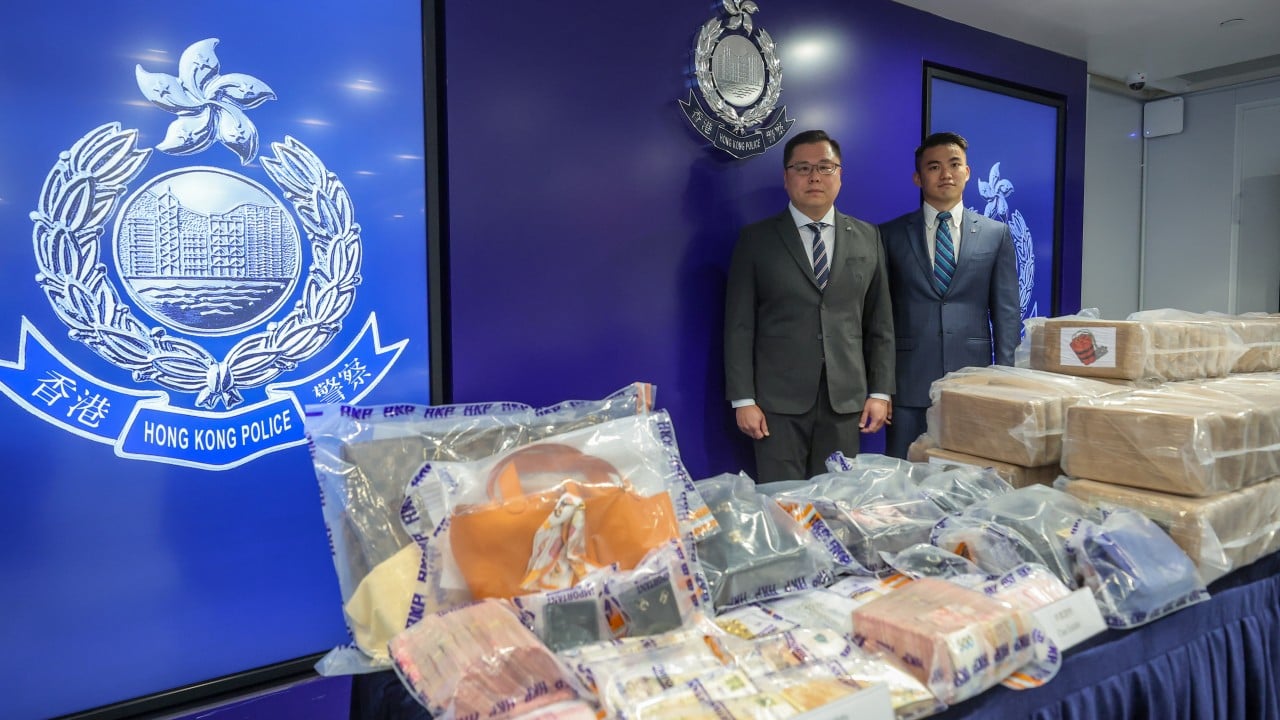
A massive raid by the Hong Kong Police Force proved exactly how bad this problem has gotten. Officers intercepted a staggering 241 kilograms of suspected cocaine with a street value of roughly HK$180 million. It is the single largest cocaine bust in the city in over a year.
The bust sheds light on a highly sophisticated maritime trafficking strategy that local law enforcement is scrambling to shut down.
Inside the Aberdeen Typhoon Shelter Raid
This wasn't a random spot check. Acting on solid intelligence, anti-narcotics officers launched a targeted strike at the Aberdeen Typhoon Shelter. They didn't just hit one boat—they raided two separate vessels tied up in the crowded harbor.
Inside, they found hundreds of tightly wrapped bricks of high-grade cocaine. They arrested two people on the water right then and there.
But the operation didn't stop at the shoreline.
Simultaneously, a separate team raided a luxury residential flat in the Aberdeen district. There, they nabbed a third suspect believed to be part of the inner circle. Along with the arrest, police confiscated over HK$2 million worth of high-end jewelry, luxury watches, designer handbags, pile of cash, and damning financial documents.
The three suspects—two men and one woman aged between 46 and 51—aren't low-level street dealers. Authorities confidently identify them as the mastermind and the core executive members of a major regional drug-trafficking syndicate.
The Floating Warehouse Playbook
Why use yachts? Honestly, it's a brilliant piece of criminal logistics until you get caught.
Chief Inspector Lam Pak-kiu explained that syndicates have shifted to using vessels permanently moored along Hong Kong’s vast coastline as mobile, low-profile storage hubs. Instead of risking a traditional brick-and-mortar warehouse that requires commercial leases, ID checks, and security cameras, they use the chaotic, packed environment of a typhoon shelter.
The logistics work in a highly coordinated rhythm:
- The Long Haul: Large, ocean-going mother ships transport massive bulk loads from South America into international waters just outside Hong Kong's jurisdiction.
- The Dead Drop: High-powered speedboats or local fishing vessels pick up the cargo in the dead of night and slide back into the city's coastal waters.
- The Safe Harbor: The drugs are transferred directly to these moored luxury yachts. To any passing harbor patrol or casual observer, it just looks like an affluent local boat owner letting their weekend cruiser sit at its berth.
- The On-Demand Delivery: The syndicate doesn't move the whole load landward at once. Instead, they connect with local buyers online or through encrypted apps. Once a deal is struck, they ferry small, manageable portions ashore to be cut, packaged, and distributed into the Hong Kong nightlife market.
By keeping the bulk supply on the water, the syndicate drastically limits its landside exposure. If a stash house ashore gets raided, they only lose a fraction of their product. Keeping 241 kilos on a yacht means they kept their entire goldmine in a space that rarely faces intense scrutiny.
What Happens to the Suspects Now
The holiday is officially over for the trio. Police have confirmed that all three individuals face heavy charges of conspiracy to traffic in a dangerous drug, alongside direct trafficking counts. They are scheduled to make their first appearance at the Eastern Magistrates' Courts.
If you think they might get off with a slap on the wrist, you don't know Hong Kong law. Under the city's strict Dangerous Drugs Ordinance, drug trafficking is treated as one of the most severe crimes on the books. The maximum penalty upon conviction isn't a decade or two behind bars—it's a HK$5 million fine and mandatory life imprisonment.
The Constant Evolution of Maritime Smuggling
This HK$180 million bust is part of an ongoing cat-and-mouse game between international drug cartels and Hong Kong authorities. As land borders and airports implemented incredibly tight biometric security and scanning over the last few years, cartels abandoned individual drug mules entirely. They have gone completely macro, relying purely on bulk maritime shipments.
We have seen syndicates hide hundreds of millions of dollars of cocaine inside shipments of frozen chicken feet from Brazil. We have even seen them weld custom, waterproof underwater compartments directly onto the hulls of massive commercial cargo ships, requiring police dive teams to submerge and cut them open.
Using luxury yachts as floating storage lockers is just the latest iteration of this trend. It proves that as long as the profit margins for narcotics remain sky-high, syndicates will keep finding ways to turn the city's maritime infrastructure against itself. Marine police and customs officials are already stepping up patrol frequencies and intelligence sharing across the delta to counter the yacht strategy before more floating warehouses drop anchor.