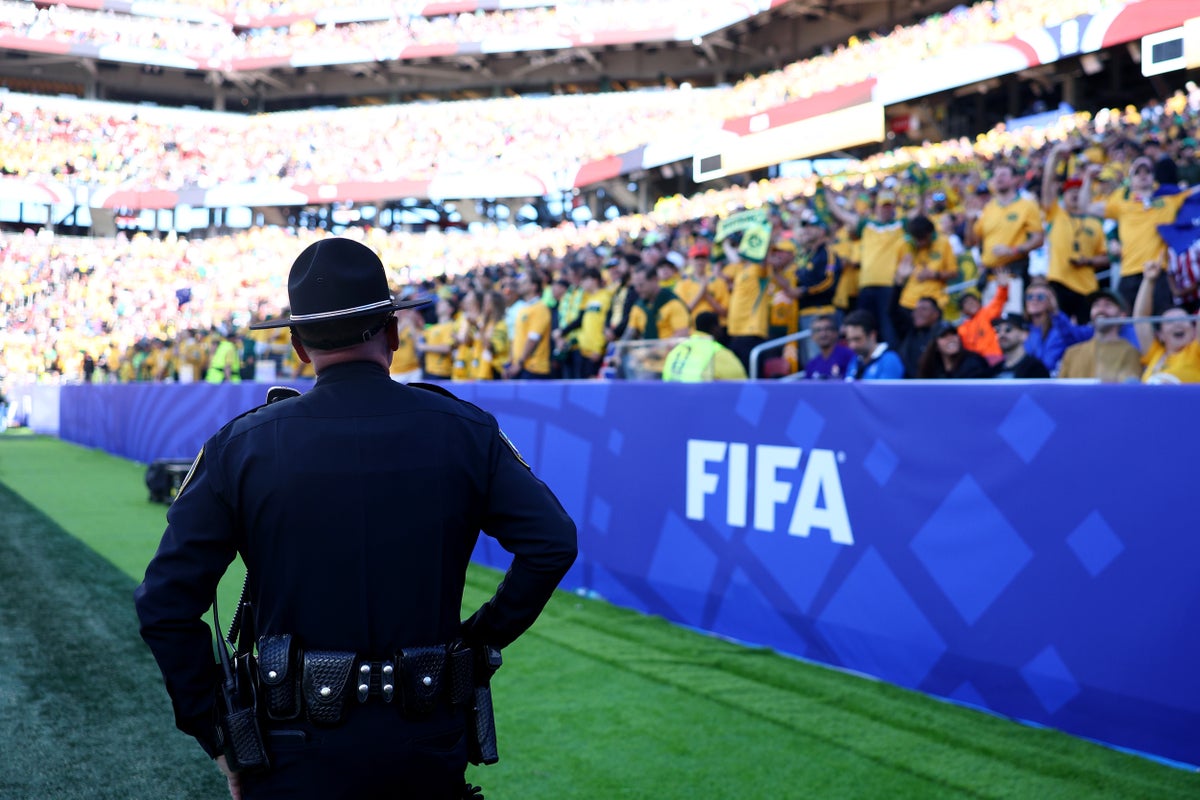
Think you can just fly your drone over a World Cup stadium to catch a sweet aerial shot of the action? Think again. Security teams have already confiscated over 600 drones near tournament venues since the games kicked off in June.
It turns out that enforcing no-fly zones across North American stadiums is a massive, messy headache. Fans want their social media content, media outlets want their b-roll, and security agencies are left playing a frantic game of whack-a-mole in the sky. If you think a simple warning sign keeps a consumer quadcopter grounded, you completely misunderstand modern sports security. Meanwhile, you can find similar developments here: Why Pakistan's New Tax On Former Tribal Areas Is A Dangerous Mistake.
The Reality of Airspace Enforcement at Major Stadiums
The sheer volume of intercepted drones reveals a glaring disconnect between tournament rules and public behavior. Most of these incidents don't involve malicious threats or espionage. It's usually just an ordinary person who bought a drone online and wanted a cool video clip of the crowd.
But for security teams managing massive stadiums, a drone is an immediate red flag. A rogue drone can drop objects, crash into a packed stadium section, or interfere with official broadcast choppers. Because of this, agencies have set up strict geofencing and electronic signal jamming around every single match venue. To understand the bigger picture, check out the detailed analysis by The Washington Post.
When a drone crosses into a restricted zone, security forces don't just ask nicely for it to land. They use signal interceptors to disconnect the pilot and force the aircraft down. Over 600 times now, a fan has watched their expensive piece of tech get hijacked out of the air, never to be returned.
Why Standard Restrictions Aren't Working
Why do people keep flying them if the bans are so strict? It basically comes down to ignorance and arrogance. Many casual flyers assume that if their app allows them to take off, they aren't breaking any laws. They don't check temporary flight restrictions issued for major events.
- App Limitations: Built-in manufacturer maps don't always update fast enough for temporary tournament restrictions.
- The Content Chase: Content creators actively ignore warnings just to get unique footage that will pull views on TikTok or YouTube.
- Border Confusions: With games split across Canada, Mexico, and the United States, local flyers face an absolute maze of differing federal aviation regulations.
Trying to police the skies over multiple cities means coordination between the FAA, Transport Canada, and Mexican aviation authorities. It's a logistical nightmare. While federal agencies can track the radio frequencies of the controllers to find the pilots on the ground, the sheer number of daily flights makes total enforcement impossible.
What This Means for Your Next Match
If you're heading to a match later this month, leave your drone at home. Seriously. Getting caught flying anywhere near an official venue carries heavy consequences that go way grainy video clips.
Local police and federal agents are actively prosecuting violators. You aren't just looking at a confiscated drone; you face massive fines and potential criminal charges for interfering with national security operations. Security teams use advanced radio frequency scanners that pinpoint exactly where you're standing the second your drone leaves the grass. They will find you before your battery even hits fifty percent.
If you want the best aerial views of the tournament, stick to the official broadcast streams. Trying to capture your own is an easy way to ruin your tournament experience and end up in a police interrogation room.