The Department of Justice wants you to believe it's just protecting privacy. I'm not buying it. When the government hides behind heavy black marker lines on the most scrutinized files in modern history, public trust completely evaporates.
The recent legal showdown over the Jeffrey Epstein records shows a federal agency desperately clinging to secrecy. After Congress passed the Epstein Files Transparency Act, the public expected real answers. Instead, we got millions of pages looking like crossword puzzles. The DOJ maintains that its redactions are entirely appropriate and legal. But a federal judge just blew up that defense, exposing how flimsy the government's excuses really are.
People are searching for the truth about who helped Epstein. They want to know why names are still blacked out years after his death. The short answer is that the DOJ is using victim privacy as a shield to hide the identities of powerful people who were never prosecuted.
The Reality of the Blacked Out Documents
U.S. District Judge Emmet Sullivan threw a massive wrench into the government's plans. He ordered the DOJ to either unredact key documents or give a bulletproof legal reason for keeping them hidden. We aren't talking about generic administrative paperwork here. The specific items the government is fighting to keep dark are explosive.
First, there are eight specific emails where the sender or recipient names are completely blacked out. One of these emails includes a direct mention by Epstein of a "torture video." Lawmakers have pushed hard to find out who was on the other end of that message. Acting Attorney General Todd Blanche hinted on social media that it might be a wealthy foreign logistics executive, but the official records remain completely scrubbed.
Second, the DOJ blacked out names in a draft indictment of Epstein. These are the identities of potential co-conspirators. People who allegedly helped run or fund his sex-trafficking ring. The government never charged these individuals, and now it claims the public has no right to see who they are.
Third, the order covers FBI interview notes containing unverified allegations involving Donald Trump. The DOJ wants these kept in the dark too. By trying to hide everything across the political spectrum, the department just makes itself look like an institutional cleanup crew.
Why the FOIA Excuse Fails Completely
When independent journalist Katie Phang sued over these blacked-out files, the DOJ tried a classic bureaucratic stall tactic. They argued she didn't have the right to sue under the transparency law. They claimed her only option was to submit a standard Freedom of Information Act request.
It's a ridiculous argument. Anyone who has ever filed a FOIA request knows it's where public records go to die. You wait years just to get a form letter back. Judge Sullivan saw right through this strategy in his 48-page opinion. He ruled that FOIA is a completely inadequate remedy for this situation. The transparency act was passed by Congress specifically because the standard channels were failing.
The DOJ missed its deadlines to respond substantively to the merits of the lawsuit. In the legal world, if you don't bother to answer the core argument, you concede it. The government thought it could just ignore the clock and blow off a federal judge. It didn't work.
The Co-Conspirator Double Standard
The most frustrating part of this case is the DOJ's moral gymnastics. A department spokesperson explicitly defended the secrecy by saying the judge was asking them to violate the law by un-redacting victim names. They noted that these individuals "sadly became co-conspirators."
Think about that logic for a second. The department acknowledges that certain individuals crossed the line from victims to active participants in a criminal enterprise. Yet, because they started as victims, their identities as alleged adult co-conspirators must be protected forever? That completely twists the intent of victim protection laws. It creates a convenient loophole where individuals who facilitated horrific crimes get permanent anonymity because of how they entered Epstein's circle.
True transparency requires drawing a clear line. Real victims deserve absolute privacy. Adult enablers and co-conspirators who managed the money, scheduled the flights, or recruited girls do not. The DOJ has collected roughly six million pages of documents on Epstein. They've decided to hide half of them under the guise that they're duplicates or unrelated. When the public sees that scale of withholding, suspicion is the only logical reaction.
Track the Unredacted Releases Yourself
If you want to keep tabs on this unfolding legal battle, stop reading mainstream summaries and look at the raw data.
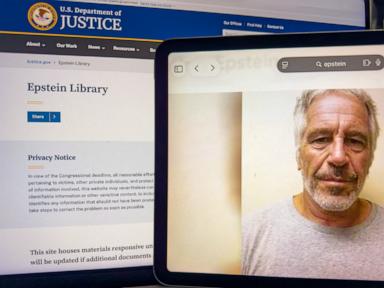
- Check the official DOJ Epstein Library online. They're forced to host their redacted batches there, and comparing older releases to newer ones shows exactly what they're trying to slip past us.
- Watch for the official redaction log. Judge Sullivan ordered the government to produce a master log explaining every single blackout. This log will reveal the exact legal exemptions they are claiming for each name.
- Monitor the appellate court docket. The DOJ announced it will appeal Sullivan's ruling. The upcoming briefs will reveal exactly how far the government is willing to go to protect these names.
The government is running out of track. Bureaucrats can only hide behind the privacy excuse for so long before a higher court forces their hand.
Judge Orders DOJ to Justify Redactions in Epstein Files
This news report provides a breakdown of Judge Sullivan's specific order against the Justice Department and details the exact deadlines the government faces regarding the blacked-out records.