Qatar is halting business and lowering its flags for four days of national mourning. The Amiri Diwan announced that Sheikh Hamad bin Khalifa Al Thani, the former emir known across the Middle East as the "Father Emir," died on the morning of July 12, 2026, at age 74. While state media didn't release a cause of death, the shockwaves are already hitting regional diplomacy.
This isn't just the passing of a retired head of state. Sheikh Hamad was the man who single-handedly dragged Qatar out from the shadow of Saudi Arabia and turned a quiet, cash-strapped peninsula into an aggressive, hyper-wealthy global disrupter. If you want to understand why a tiny country with only a few hundred thousand citizens gets to host the World Cup, run Al Jazeera, and mediate ceasefire talks between global powers, you have to look at what Sheikh Hamad built.
His passing leaves a legacy that redefined modern statecraft, and it comes at a moment when his defensive blueprint faces its toughest test yet.
The High Stakes Gamble on Liquefied Natural Gas
When Sheikh Hamad took power in 1995 after a bloodless palace coup while his father was vacationing in Switzerland, Qatar wasn't rich. The state treasury was nearly empty. The nation sat on the North Field, a massive underwater gas reservoir shared with Iran, but nobody knew how to commercialize it. Traditional oil was king, and freezing gas into a liquid to ship it across oceans was considered way too expensive.
Sheikh Hamad ignored the skeptics. He borrowed billions of dollars from international markets, partnered with foreign energy majors like ExxonMobil, and built the infrastructure required to become a liquefied natural gas ($LNG$) superpower.
The bet paid off. Within a decade, Qatar became one of the wealthiest countries on Earth per capita. The revenue gave Sheikh Hamad the ultimate defense mechanism: total financial independence. He realized early on that sitting between heavyweights Saudi Arabia and Iran meant Qatar's only survival strategy was becoming too globally integrated to fail.
A Radical Soft Power Strategy
Most Western obituaries focus heavily on Qatar's wealth, but the real story is how Sheikh Hamad used that money to purchase global relevance. He and his influential wife, Sheikha Moza bint Nasser, started buying up pieces of the West. Through the Qatar Investment Authority, they snapped up trophy assets like London’s Harrods department store, stakes in Barclays Bank, and the Paris Saint-Germain football club.
Then came the media and diplomacy strategies, which went directly against the wishes of his neighbors.
- Al Jazeera: Launched in 1996, the satellite network shook up the Arab world by giving airtime to dissidents and critical coverage to neighboring regimes, creating immense friction with Riyadh and Cairo.
- The Open-Door Foreign Policy: Sheikh Hamad implemented a foreign policy that defied typical alliance structures. He hosted the largest U.S. military base in the Middle East (Al Udeid) while simultaneously maintaining open dialogue and offices for groups like Hamas and the Taliban.
To Sheikh Hamad, talking to everyone wasn't a contradiction—it was insurance. If you make yourself the indispensable mediator, everyone needs you alive.
Shifting Tradition by Stepping Aside
In 2013, Sheikh Hamad did something completely unheard of for a Gulf monarch: he voluntarily stepped down. He handed the throne to his 33-year-old son, Sheikh Tamim bin Hamad Al Thani.
While he assumed a backroom role as the "Father Emir" for the last thirteen years, his strategic blueprint remained the foundation of the state. When Saudi Arabia, the UAE, Bahrain, and Egypt launched a massive land, air, and sea blockade against Qatar in 2017 to punish its independent policies, the institutional framework Sheikh Hamad built kept the country afloat. Rumors in Doha even claimed the aging former leader put his military fatigues back on during the initial nights of the blockade when an invasion looked possible.
Qatar didn't buckle during that three-year siege. Instead, it used its wealth and global alliances to outlast its neighbors, proving that the Father Emir's high-risk, high-reward strategy had made the country unbreakable.
What His Passing Means for the Region Right Now
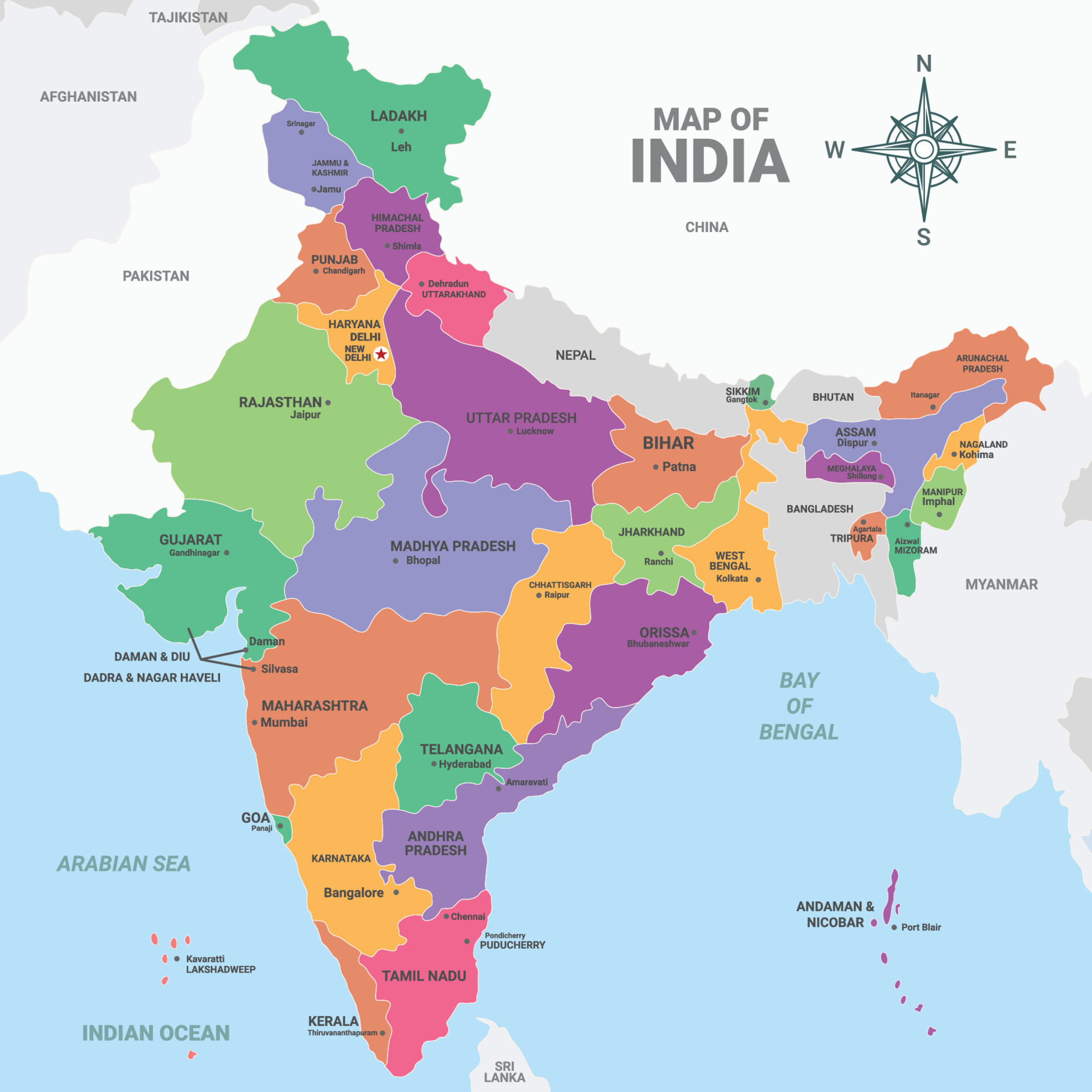
Sheikh Hamad's funeral prayers were held at the Imam Muhammad ibn Abd al-Wahhab Mosque in Doha before his burial at Lusail Cemetery. Leaders from across the world are arriving at Lusail Palace to offer condolences to Sheikh Tamim. Even India declared an official day of national mourning on July 13, lowering flags to half-mast out of respect for a leader who brought millions of South Asian workers into the Gulf boom.
But his death happens at a dangerous geopolitical crossroads. The region is currently dealing with intense fallout from regional conflicts, and Qatar's mediation channels are stretched thin. With the visionary architect of Qatar’s strategic culture gone, the burden falls squarely on his successor to maintain the delicate balancing act between Western alliances and regional realities.
If you are tracking the long-term impact of this shift, keep your eyes on two immediate developments. First, watch whether Doha changes its risk tolerance regarding its support for controversial political movements now that its original backer is gone. Second, monitor how Qatar manages its critical maritime energy routes in the Gulf during current regional tensions. The tools Sheikh Hamad left behind are formidable, but the geopolitical landscape of 2026 will test them to their absolute limits.