Students in the Democratic Republic of the Congo just wanted to get home after finishing their grueling state exams. Instead, a journey meant to celebrate an educational milestone turned into a horrific nightmare. A wooden boat packed with passengers capsized at the dangerous intersection of the Sankuru and Kasai rivers in the Kasai province, leaving at least 20 dead and more than 100 people missing.
Local officials confirmed the grim details after the vessel went down. The territory administrator for Ilebo, Francois Kabula, stated that rescue teams managed to pull 80 survivors from the water, alongside 20 bodies. But those numbers don't tell the full story. Eyewitnesses like Tshikudi Jean reported that the boat was severely overloaded, carrying well over 200 people when it flipped.
This isn't a freak accident. It's a systemic failure. The tragedy highlights a lethal mix of zero safety enforcement, non-existent roads, and predatory boat operators that regularly kills hundreds of citizens across the country every year.
The Lethal Confluence of the Sankuru and Kasai Rivers
Navigating rivers in the DR Congo is tough under the best conditions. When you mix overcrowded, poorly maintained wooden vessels with treacherous river currents, disaster is almost guaranteed.
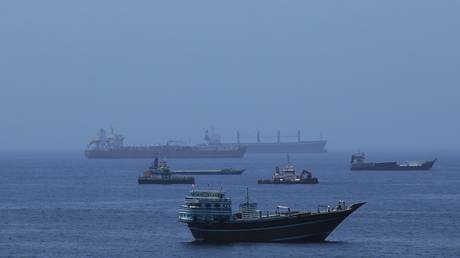
The boat was traveling between Ilebo and Sankuru when it tried to navigate the confluence where the two massive rivers smash together. The swirling currents at river intersections demand high structural integrity from a boat and precise navigation from its crew. A heavily overloaded wooden whale-boat, locally known as a baleinière, stands almost no chance when hit by these cross-currents.
Local fishermen acted fast, pulling dozens of gasping students out of the dark water. Without their quick intervention, the death toll would be significantly higher. Search operations face massive difficulties due to the remote location and a total lack of professional diving or salvage equipment in Kasai province.
Why Overloading Rules the Waterways
You might wonder why anyone would step onto a boat that is visibly packed to the brim. In rural DR Congo, you don't have a choice.
The country's paved road network is practically non-existent outside major cities. Thick jungles and underfunded infrastructure mean rivers serve as the primary highways for millions of people. If you need to travel to a major town to take your state exams, you take the boat. If the boat is full, you get on anyway, because the next one might not come for weeks.
Greed plays a massive role too. François Malepo, president of the Ilebo civil society organization, didn't mince words when blaming the vessel owners. He publicly stated that shipowners in the region are solely focused on chasing profits, ignoring basic human safety by cramming as many bodies and goods onto these boats as physically possible.
The government has tried banning night-time travel and mandating life jackets in the past. These rules don't mean anything when there are no inspectors at remote river ports to enforce them. Operators regularly slip away into the dark, overloaded with tons of agricultural goods and hundreds of passengers who can't swim and don't have life vests.
The Devastating Human Cost of Infrastructure Failure
This latest tragedy comes on the heels of previous mass casualty events on Congolese waters. Just recently, two separate boat accidents in the northwestern region of the country left at least 193 people dead. The pattern is completely predictable, yet nothing changes.
For the families in Ilebo, the loss is intensely painful. These weren't just random travelers; many were young students representing the future of their communities, returning home after trying to secure their academic futures. Instead of celebrating the end of their exams, their parents are searching the riverbanks for bodies.
Fixing this requires more than just issuing angry press releases from Kinshasa. The government needs to invest heavily in rural infrastructure so people aren't forced to risk their lives on unregulated water ferries. Until there are strict, heavily enforced penalties for operators who overload their boats, and real alternatives to river transport, these tragic headlines will keep repeating.
If you want to support emergency relief efforts or advocate for safer infrastructure projects in central Africa, consider connecting with international maritime safety initiatives or reputable humanitarian organizations operating directly in the Kasai region.