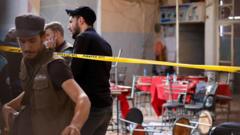
A peaceful afternoon in the heart of Damascus shattered in an instant. On July 2, 2026, a crude improvised explosive device tore through a packed cafe on Al-Nasr Street in the al-Hijaz district. The establishment, situated a mere 100 meters from the Palace of Justice, was bustling with lawyers, judicial staff, and everyday visitors. Initial state media reports counted six dead, but the toll quickly climbed to nine fatalities, with at least 20 others gravely wounded.
This isn't just another tragic headline from a war-torn country. It’s a direct hit to the heart of Syria's transition. Since the dramatic overthrow of Bashar al-Assad in late 2024, the new administration under President Ahmed al-Sharaa has fought tirelessly to convince both citizens and the international community that the dark days of civil war are over. This blast proves how incredibly fragile that narrative really is.
The Security Breach in the Heart of the Capital
The location of the attack was chosen with calculated precision. The Palace of Justice isn't just an administrative building; right now, it’s the epicenter of high-profile trials involving notorious figures from the old Assad regime. Among those facing justice are Atef Najib, the former security chief infamous for the torture of schoolboys in Deraa back in 2011, and militia commander Wassim al-Assad.
Security sources report that an unidentified individual walked into the popular cafe, placed an IED under a table, and calmly walked out. Witnesses described a scene of absolute chaos. Jalal Aljanani, who owns a restaurant next to the cafe, recounted running into the wreckage to find floors covered in glass shards and blood. Local citizens didn't wait for ambulances. They piled the bleeding and the dead into private cars to rush them to Al-Mouwasa Hospital. Damascus Governor Maher Idlibi confirmed one fleeing suspect was pursued and captured, though the mastermind remains at large.
Who Wants to De-Stabilize the New Syria
No group immediately stepped forward to claim responsibility, but the list of suspects is long. Security officials point to two main factions with a clear motive to disrupt al-Sharaa’s government.
The Islamic State Sleeper Cells
Despite losing their territorial caliphate years ago, Islamic State (IS) remnants have actively tried to exploit the security vacuum left by Assad’s fall. Earlier this year, the group declared a new phase of operations specifically targeting the current government. They have been quiet but lethal, reactivating cells, moving weapons, and striking crowded commercial or religious spots—such as the suicide bombing at a Damascus church in July 2025.
Assad-Era Remnants
Analysts estimate up to 10,000 individuals tied to the former regime—including Ba'ath Party functionaries, military officers, and Shabiha militia remnants—are currently at large. These factions possess deep operational experience in urban sabotage. Striking a cafe full of lawyers right outside the courthouse where their former leaders are on trial sends a chilling message to the judicial system.
The High Stakes for Sharaas Government
President Ahmed al-Sharaa, who once led the insurgent group Hayat Tahrir al-Sham, has spent the last year and a half pivoting toward a moderate, inclusive platform. He has pledged to protect religious and ethnic minorities, a promise put to the test by a volatile mix of Druze gunmen and Alawite insurgents who have clashed with government forces over the past year.
While regional powers like Jordan, Egypt, Iraq, and Qatar immediately condemned the bombing as a terrorist act and expressed solidarity, words won't secure the streets. If the new government cannot protect the capital's judicial heartland, foreign investment and diplomatic normalization will stall.
Next Steps for Travelers and Locals in Damascus
If you are currently in Damascus or tracking security developments on the ground, the immediate aftermath of this blast requires high vigilance.
- Avoid High-Profile Government Zones: Minimize time spent near major administrative hubs, including the Palace of Justice, the Defense Ministry, and central diplomatic areas.
- Monitor Local Updates: Rely on real-time alerts from local networks and the Interior Ministry, which is expected to release its initial forensic findings soon.
- Stay Clear of Crowded Sidewalk Cafes: For the immediate future, prioritize secure indoor environments over highly exposed public gathering spots in the city center.