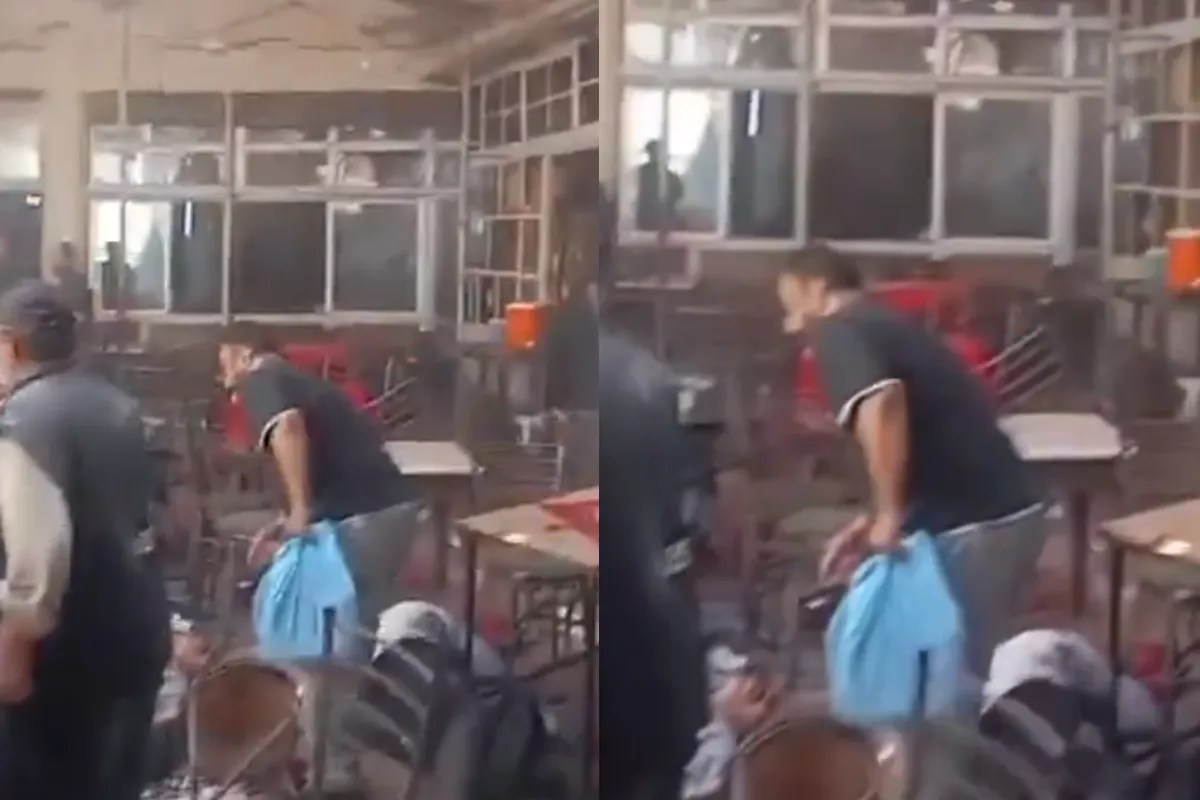
The relative quiet in post-Assad Syria just shattered. A midday bomb blast ripped through a crowded cafe on al-Nasser Street in the al-Marjah district of central Damascus, leaving a grim toll of casualties and a stark reminder that the country's transition remains incredibly dangerous.
Initial reports from the Syrian Health Ministry and state media confirmed that at least five to nine people lost their lives, while more than a dozen others suffered severe injuries. The location wasn't random. The cafe sits barely 40 meters from the Palace of Justice, a high-profile hub where trials for former officials of the Bashar al-Assad regime are currently taking place.
If you think Syria's security crisis ended when the old regime fell in late 2024, this attack is a massive wake-up call.
The Reality of the Damascus Cafe Attack
The explosion occurred around 3:24 pm local time, a peak hour for local shop owners, lawyers, and citizens visiting the nearby marketplaces and judicial complex. According to the Syrian Interior Ministry, the devastation was caused by a crude improvised explosive device (IED) weighing roughly one kilogram.
It wasn't just the weight of the explosive; the device was packed with metal shrapnel designed to maximize human carnage. Eyewitnesses described a scene reminiscent of the darkest days of the 14-year civil war. Nearby storefronts shook violently, windows shattered, and blood pooled across the cafe floor before emergency teams cordoned off the area to check for secondary devices.
What makes this incident particularly telling is its proximity to the judicial trials. Just this week, high-profile figures like Syria's former grand mufti, Ahmad Badr al-Din Hassoun, faced legal proceedings inside the Palace of Justice. The area is heavily secured, which means a security breach of this magnitude points to a highly coordinated effort.
Who Gains From Destabilizing the Capital
No group immediately claimed responsibility for the bombing, but security experts look at two primary suspects.
First, the Islamic State (IS) remains an active threat. While their self-declared caliphate collapsed years ago, they excel at exploiting political shifts. Ever since President Ahmed al-Sharaa took power, IS has actively tried to reactivate sleeper cells, moving weapons into urban centers to prove the new government can't protect its citizens.
Second, the transition of power left plenty of internal enemies. Remnants of Assad-era military officers and insurgent factions are actively push back against the current administration.
Damascus Governor Maher Marwan acknowledged the steep hill the new government has to climb. He stated frankly that as Syria builds stability, those who want to damage its progress will strike out. While the capital has seen a marked improvement in police presence over the past few months, guaranteeing absolute safety in a post-conflict zone is an entirely different beast.
The Bigger Security Puzzle for President Sharaa
This cafe bombing isn't an isolated tragedy. It's part of a sporadic but deeply worrying pattern of violence targeting the new government's infrastructure.
- In May, a car bomb outside a defense ministry building killed a soldier and wounded 18 others.
- In mid-2025, a devastating attack on a Damascus church claimed 25 lives.
President Sharaa, who formerly led the Hayat Tahrir al-Sham group during the civil war, has repeatedly vowed to protect religious and ethnic minorities while unifying the country. But running an insurgency is vastly different from running a state. The government faces a complex balancing act: tracking down underground terror cells while attempting to open up the country, revive the economy, and project an image of safety to the international community. Just days before the blast, Syrian Airlines had even celebrated its first flight from Amsterdam to Damascus in years.
Next Steps for Regional Stability
If you're tracking the geopolitical landscape of the Middle East, don't look at this as just a localized crime. The immediate focus for the Syrian state will center on tightening the capital's security perimeter.
Investigators are currently auditing local surveillance footage and interviewing marketplace vendors to track the perpetrator who planted the device under the table. Expect to see an immediate surge in military checkpoints, stricter vehicle searches, and aggressive raids on suspected safe houses around the outskirts of Damascus. For the average citizen, it means a return to the friction of daily life under heavy surveillance. For the Sharaa administration, it's a test of whether they can catch these sleeper cells before the public's confidence completely erodes.