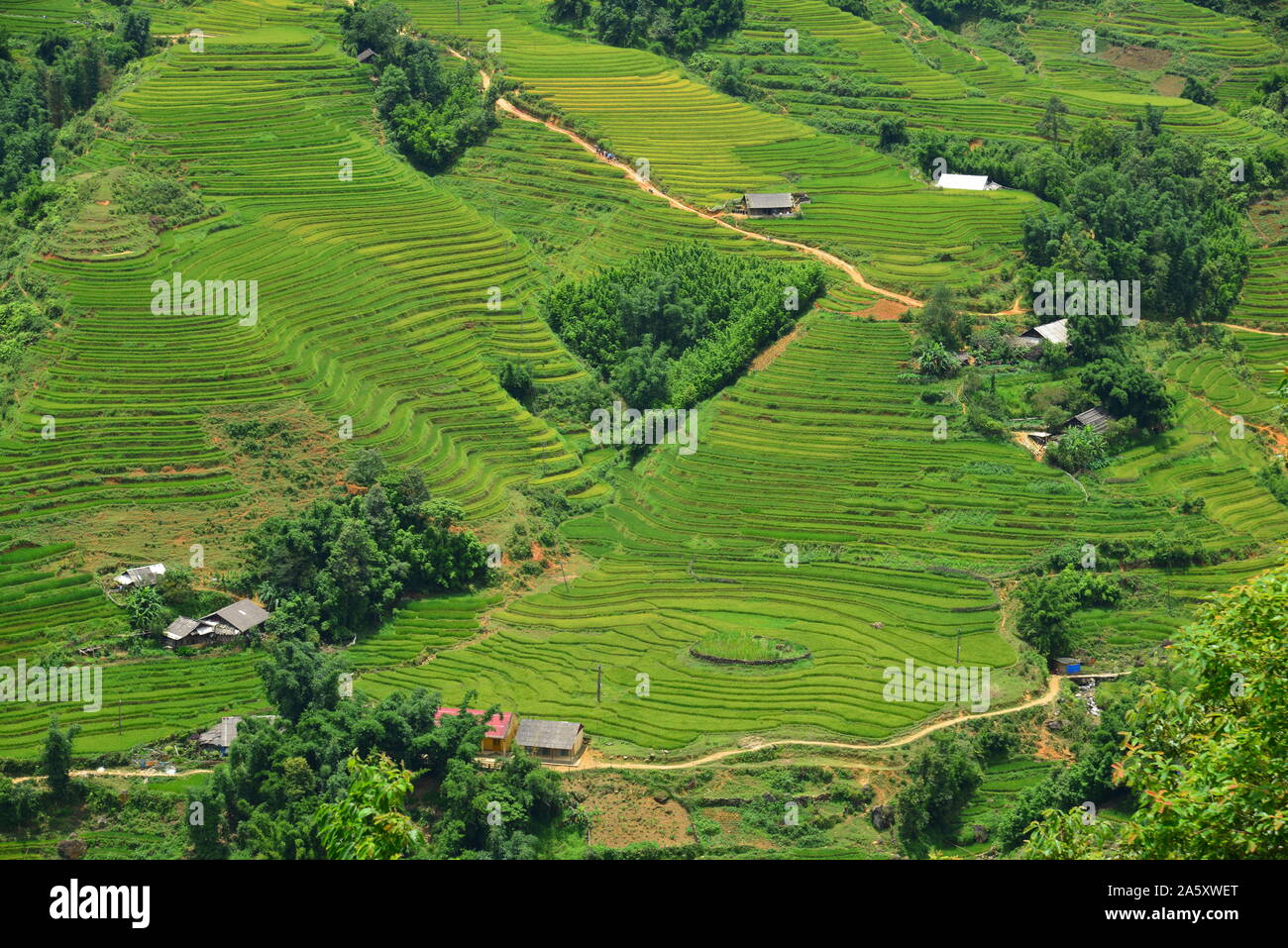
Tractors are sitting completely silent across the fields of Artemisa and Las Minas. Fields that used to feed Havana are turning yellow under the sun. Cuban farmers are quietly trying to walk away from their fields, giving up their land leases because growing food has become an impossible financial trap.
The immediate culprit is a brutal U.S. energy blockade that has choked off nearly all fuel imports to the island. When Washington targeted oil shipments from Venezuela and threatened secondary tariffs on international shipping lines, the Cuban energy grid basically collapsed. By mid-2026, the country completely ran out of diesel and fuel oil. For the people who till the soil, this isn't just a political talking point. It means their crops are literally rotting in the dirt because there is no gasoline to transport them to the cities.
The Reality of Trump's Fuel Blockade
You can't run a modern agricultural system on good intentions alone. Cuba relies heavily on foreign oil to keep its lights on and its tractors moving. When U.S. policy tightened to target tankers heading from Venezuela and Mexico, the flow of petroleum stopped almost entirely. A recent private sector attempt to lease state storage facilities for humanitarian gasoline distribution was blocked by Washington, cutting off a desperate lifeline.
The numbers paint a bleak picture. Food production across the island has plunged by roughly 60%. Electricity blackouts regularly stretch for 20 to 22 hours a day in rural areas. Without electricity, automated irrigation pumps stop working. Crops dry out before they can even mature. When the crops do survive, they end up small, discolored, and nutrient-deficient. Shoppers in Havana state markets frequently reject the bruised, watery tomatoes and tiny tubers that actually make it to the shelves.
The economic model for these small-scale producers has broken down completely. Under the usufruct system introduced during Raúl Castro's reforms in 2008, independent producers hold long-term leases on state-owned land. They must sell a fixed portion of their harvests to the state procurement agency, known as Acopio, and can sell the remainder at market rates. But when Acopio trucks don't arrive due to dry fuel tanks, the system shatters. Farmers watch months of hard labor turn into compost while city residents face severe food shortages and soaring prices.
Moving Back to the Era of Oxen and Machetes
Step onto a farm in Minas today and you will feel like you stepped backward into the 1940s. The shift away from mechanized agriculture isn't a romantic choice. It is a desperate bid for survival.
- The Oxen Shortage: Clearing a standard plot of land used to take fifteen minutes with a diesel tractor. Now, it takes three full days using manual tools. While the government urges communities to use animal traction, the math doesn't work out. One local town has sixty-five independent farmers but only eighteen functioning oxen teams available for rent.
- The Livestock Crisis: The lack of electricity directly harms animal husbandry. Dairy farmers cannot run the electric mills needed to grind feed for their goats and cattle. Malnourished livestock produce significantly less milk, compounding a crisis that leaves thousands of young children and pregnant women without their basic nutritional rations.
- The Logistics Nightmare: Without steady refrigeration or reliable transport, fresh milk spoils in hours. Farmers have to burn through their tiny personal reserves of gasoline just to cart milk containers to local freezing stations, hoping the power stays on long enough to preserve the batch before a collection truck arrives.
Because farming has become a guaranteed way to lose money, a massive labor shift is happening in the countryside. Former tractor operators and logistics drivers are picking up machetes to clear brush for a meager four dollars a day. Others are abandoning food cultivation entirely to burn wood for charcoal. With power grids dead across the country, demand for cooking charcoal has skyrocketed, offering a fast cash crop that doesn't rely on complex supply chains or refrigerated transport.
The Broken Chain of Cuban Food Production
Many analysts overlook the structural hurdles built into the domestic distribution network. The state tries to cap market prices to protect consumers from runaway inflation. While that sounds fair on paper, it completely ignores the soaring operational costs that farmers face. When parts for machinery must be bought on the informal market at exorbitant exchange rates, a government-mandated price cap means the farmer operates at a loss.
Many families are making the painful choice to split up. Younger workers are abandoning the fields to seek paths out of the country entirely, fueling a persistent migration crisis. Those who stay behind are left to tend the soil with dwindling physical strength and zero access to chemical fertilizers or pest control.
This crisis is far deeper than the infamous "Special Period" of the 1990s. Back then, the collapse of the Soviet Union caused extreme scarcity, but the domestic infrastructure was younger and less fragile. Today, the thermal power plants are decaying, the soil is depleted, and the international financial options are completely frozen.
Actionable Steps for Tracking and Adapting to the Crisis
For agricultural analysts, relief organizations, and regional supply chain managers monitoring the Caribbean, standard metrics no longer apply. You need to look at specific indicators to understand where the crisis goes next.
Monitor Alternative Fuel Agreements
Keep a close eye on bilateral negotiations between Havana and non-aligned energy producers. While U.S. Executive Order 14380 penalizes traditional shipping networks, direct state-to-state deliveries using sovereign vessels occasionally bypass these hurdles. A single successful oil delivery can temporarily stabilize regional markets for two to three weeks.
Track Charcoal Production Metrics
The volume of informal charcoal trading is a direct mirror of the energy deficit. When charcoal prices spike or production spreads into protected forest zones, it indicates that the national grid is failing to provide even baseline cooking power to rural towns.
Evaluate Localized Solar Investments
Small non-profit organizations have successfully installed independent solar irrigation kits on select cooperative farms. These micro-grids allow isolated fields to maintain water flow regardless of the national grid's status. Supporting or tracking these decentralized infrastructure projects is the only reliable way to predict localized crop yields.
The situation on the ground shows no signs of quick reversal. Until the logistical grid lock is cleared or fuel begins flowing regularly into the refineries, the flight from Cuba's agricultural heartland will continue. Farmers will keep trying to unload their land leases, choosing the certainty of survival over the gamble of an unharvested field.