Imagine cooking a simple pot of beans, watching the stove flicker out, and realizing your entire country just went dark for the third time in a single week. That's the reality on the ground right now. As Cuba slowly gets power back after third blackout in 10 days, the absolute fragility of the island's infrastructure is laid bare.
The national grid completely collapsed on Tuesday around 11:05 AM. One minute people were going about their day, and the next, 9.6 million citizens were plunged into pitch blackness. A sudden frequency drop at a power unit in the eastern province of Holguín triggered a massive domino effect. The centralized system couldn't take the shock. It tripped everything out. By Wednesday morning, engineers managed to bring only about 24% of Havana's electricity back online. The provinces are faring even worse.
This isn't a freak accident. It's a systemic failure. The island has become a place where keeping the lights on is a daily battle, and it's a battle the government is losing.
The Brutal Reality of a Triple Grid Failure
When you look closely at how Cuba slowly gets power back after third blackout in 10 days, you realize how primitive the recovery process has become. Workers can't just flip a switch to fix this. They have to create isolated "micro-islands" of power. They patch together electricity for vital places like hospitals and food processing hubs first. Then they carefully try to sync these tiny zones back into a national network. It's tedious, technical, and dangerous work. If they move too fast, the grid collapses all over again.
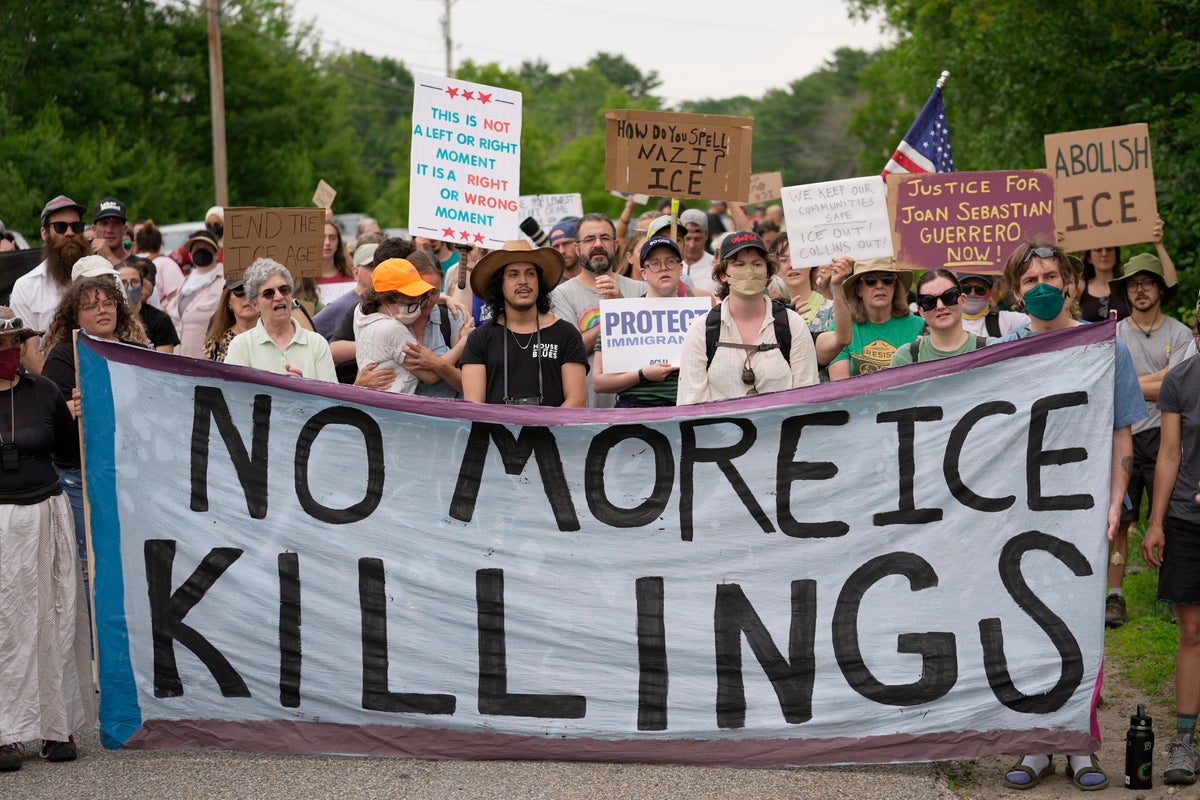
Living like this is exhausting. People are watching the food in their refrigerators spoil day after day. Meat is a luxury, and seeing it rot because of a 30-hour outage drives families to absolute despair. In some of the hardest-hit towns, people are dragging trash into the streets and setting it on fire. They beat on pots and pans in the dark. They want answers, but the government only offers excuses and technical jargon.
Public transportation has ground to a near standstill because there's no fuel to run the buses. Hospitals have had to postpone tens of thousands of surgeries because they can't rely on steady electricity. It's a quiet humanitarian crisis unfolding right off the coast of Florida, driven by a toxic mix of bad management, ancient equipment, and aggressive geopolitics.
The Cold War Relics Behind the Outages
Let's talk about the machinery actually running this island. Most of Cuba’s 16 thermoelectric plants are ancient. They were built between the 1960s and 1980s with Soviet technology. These machines were engineered to run for about 100,000 hours total. Do the math. Most of them have blown past that lifespan decades ago.
The state electricity union, UNE, is basically duct-taping a graveyard together. On any given day, nearly half of the island's thermal generation capacity is completely offline due to breakdowns or scheduled maintenance that never seems to finish. The units that actually do manage to run are operating at a fraction of what they're supposed to produce.
The biggest facility on the island, the Antonio Guiteras plant in Matanzas, is notorious for boiler leaks and sudden shutdowns. When a massive plant like Guiteras trips offline unexpectedly, it drops the grid's operational frequency instantly. Smaller plants can't compensate for the loss, causing a chain reaction that knocks out power from Pinar del Río all the way to Santiago de Cuba.
The Geopolitical Squeeze
You can't understand this crisis without looking at the oil supply. Cuba only pumps about 40% of the fuel it needs to run its economy. The rest has to come from the outside. For years, Venezuela sent cheap crude to Havana. But Venezuela's own production issues and political upheavals severely choked that pipeline.
Then came January 2026. The U.S. government stepped up its pressure campaign, threatening harsh tariffs on any country or shipping line that delivers oil to Cuba. Mexico, which had been stepping in with crucial oil donations, pulled back to avoid getting caught in the crossfire.
By the start of this year, Cuba's foreign oil imports essentially dropped to zero. Without fuel, you can't run the backup generation trucks that are supposed to protect the grid during peak hours. The government is running on fumes, rationing what little diesel it has left for emergency services while leaving entire cities in total darkness for 18 to 20 hours a day.
What Actually Needs to Happen Next
The Cuban government loves to blame everything on the U.S. embargo, while critics blame everything on communist incompetence. The truth is both are killing the island's power supply simultaneously.
Fixing this won't happen by just repairing the old Soviet plants. They are past the point of saving. If Cuba wants to survive this energy death spiral, it has to pivot immediately.
First, the island must aggressively shift toward decentralized solar power. Relying on a few giant thermal plants means one boiler leak can take down the whole country. Small solar fields scattered across different provinces would ensure that if one region goes down, the rest of the island doesn't suffer.
Second, the state needs to finalize its delayed battery storage installations. UNE needs battery banks at key transmission nodes to absorb sudden frequency drops. These systems act as a buffer, preventing minor plant glitches from turning into nationwide disasters.
Finally, the government has to open up the energy sector to true private investment. The state treasury is completely broke and cannot afford the billions needed to rebuild the transmission lines. Without letting outside capital build and manage new infrastructure, these ten-day blackout cycles will simply become the permanent status quo.
For a deeper look into how these continuous power cuts are impacting the daily lives of citizens on the ground, check out this France 24 report on Cuba's electricity crisis which highlights the growing public frustration across the island.