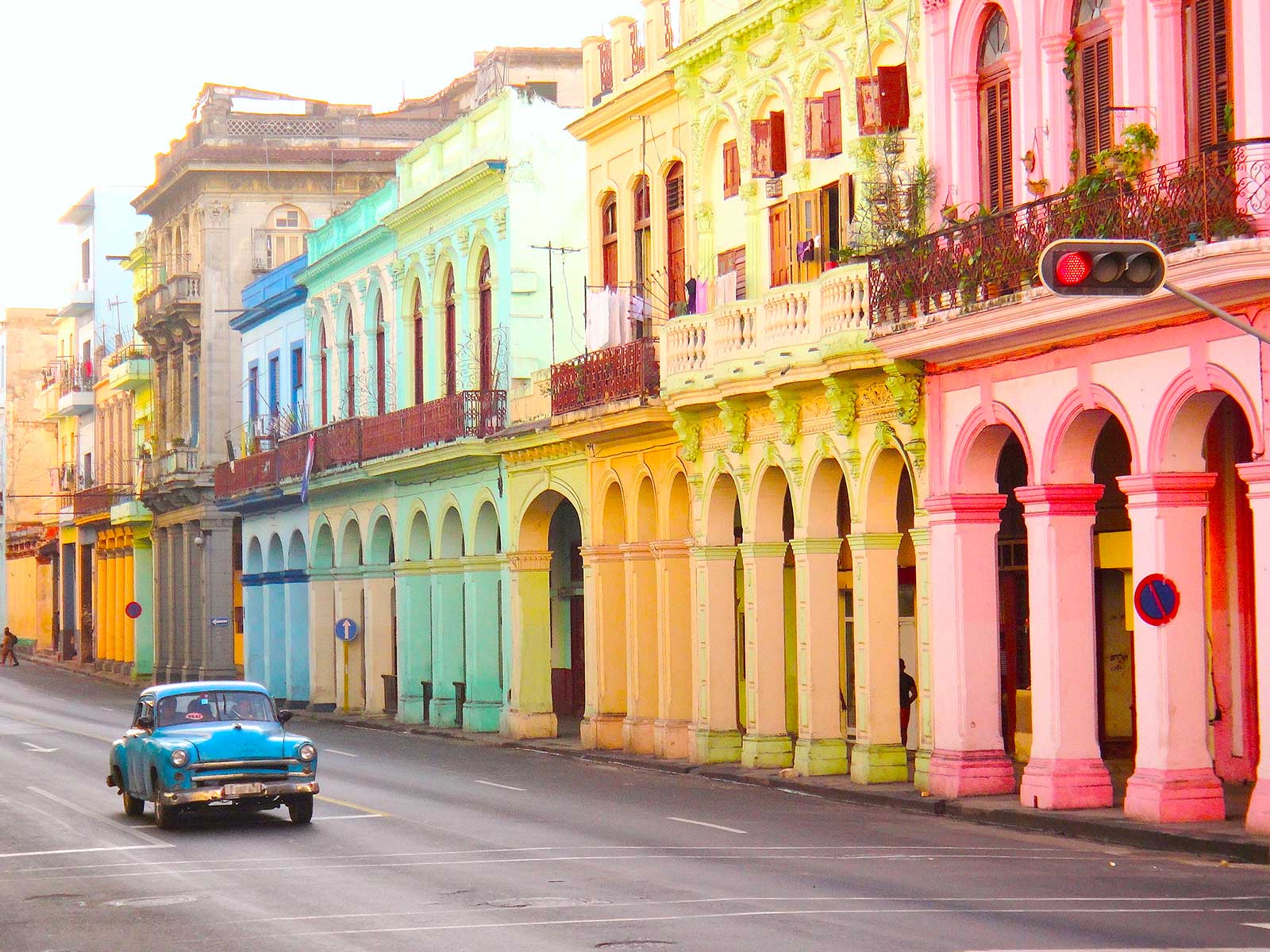
Cuba just went dark. Again. For the second time in less than a week, the entire island national grid collapsed on Friday at 4:30 pm, leaving over ten million people sitting in the stifling summer heat without electricity.
This isn't just a minor power glitch or a routine rolling brownout. It is a full structural collapse. If you are reading mainstream news headlines, you are probably seeing two opposing narratives. On one side, Havana blames Washington for a brutal oil chokehold. On the other side, US officials blame decades of communist mismanagement. In other developments, take a look at: Why Trying To Outrun A Wildfire Is The Deadliest Mistake You Can Make.
The truth is, both arguments are right, but they both miss the bigger picture. Cuba is trapped in an impossible energy vice, caught between ancient, crumbling Cold War machinery and an aggressive diplomatic strategy from Washington designed to force a regime change. Here is what is actually happening on the ground and why this crisis is far deeper than a simple fuel shortage.
The Chokehold Triggers a Total Collapse
We need to look closely at the timing of this collapse. On January 29, 2026, US President Donald Trump signed a sweeping executive order declaring Cuba an unusual and extraordinary threat. That order effectively weaponized the US tariff system, threatening catastrophic financial penalties against any country or shipping company that dares to deliver oil to Cuban ports. Associated Press has analyzed this fascinating subject in extensive detail.
Before this, Cuba managed to scrape by. The island only produces about 40 percent of the oil it actually needs to function. The rest has historically been imported through geopolitical lifelines from Venezuela and Mexico. But after a US military operation targeted Venezuelan oil exports in early January, those lifelines dried up instantly.
Since the January executive order, exactly one Russian oil tanker has docked in Cuba. That was way back in March. Since then, nothing.
Without foreign oil, the state-run power company, Union Electrica de Cuba, has run completely dry. On Monday, the grid gave out. It took workers nearly forty-eight hours of frantic patching to get the lights back on, only for the entire system to crash again on Friday afternoon due to severe voltage instability and a complete lack of generation capacity.
The Cold War Infrastructure Problem
You can't blame everything on the blockade. Cuba's electrical grid is an archaeological artifact.
Most of the island's thermoelectric power plants were built between 1960 and 1980 with Soviet technology. They are engineered to burn heavy crude oil, which is highly corrosive and requires constant, highly specialized maintenance. These plants are operating decades past their intended lifespan. They don't just need fuel. They need spare parts, modern control systems, and structural overhauls that Cuba simply cannot afford.
When a system is this fragile, a single failure cascades. If the massive Antonio Guiteras power plant in Matanzas drops offline due to a broken boiler tube or a lack of fuel, it causes an instantaneous drop in grid frequency. The rest of the interconnected plants try to pick up the slack, overload, and automatically shut down to prevent their own destruction. It takes a massive amount of energy just to restart a dead power plant, a process known as a black start. When you don't have fuel to run the backup generators, restarting the grid becomes an agonizing game of trial and error.
The underlying economic model prevents any real recovery. The Atlantic Council points out that the collapse of Cuba's state-led economy has been decades in the making. Tourism has cratered by nearly 58 percent this year alone because international airlines can no longer guarantee their planes will even be refueled at Havana airports. Air Canada and major Russian carriers pulled out completely in February. Without tourism dollars, the government lacks the hard currency required to buy fuel on the open black market, creating a permanent doom loop.
What Daily Life Looks Like Right Now
It is easy to look at this as an abstract geopolitical chess match. For ordinary Cubans, it is a daily struggle for basic survival.
In many provinces outside of Havana, power cuts have settled into a brutal routine of twenty to twenty-two hours of darkness every single day. People are cooking with charcoal on their balconies because electric stoves are useless. Food spoils within hours. In the brutal Caribbean heat, the lack of refrigeration means families can only buy what they can consume immediately, destroying any hope of food security.
The United Nations Human Rights Office recently raised the alarm over how this energy starvation is bleeding into other sectors. Water systems require massive electrical pumps to distribute water to high-rise apartments and residential neighborhoods. When the power dies, the water stops flowing.
Hospitals are running on emergency diesel generators, but those generators require the exact same scarce fuel that the power plants are lacking. Doctors are forcing themselves to make impossible choices about which surgeries to delay and which life-support systems to prioritize. UN officials like Volker Turk have stated directly that these fuel restrictions are actively harming the most vulnerable populations, noting that children are facing life-threatening medical shortages because of the macroeconomic freeze.
The Renewable Illusion and the China Factor
Faced with a permanent embargo, Havana has spent the last few years talking up a big game about shifting to renewable energy. The stated goal is to get twenty-five percent of the island's energy from clean sources by 2030.
To do this, Cuba has turned to China. Beijing has shipped thousands of solar panels and equipment packages to help build out solar farms across the rural provinces. But right now, renewables account for less than eighteen percent of the country's actual consumption.
Solar energy cannot solve a midnight grid collapse. Without massive, incredibly expensive industrial battery storage systems, solar power only works when the sun is shining. You cannot run a heavy industrial economy or maintain grid stability across an entire island on daytime solar generation alone when your foundational baseload plants are offline and decaying. China is providing a band-aid for a patient that needs open-heart surgery.
Washington's Calculated Stance
The view from Washington is entirely unsympathetic. US Secretary of State Marco Rubio has consistently maintained that the US government is not doing anything punitive against the civilian population. The official State Department line is that the blackouts are entirely the result of bureaucratic incompetence, corruption, and the inherent failures of a communist economic model.
Washington's strategy is transparent. By cutting off the oil supply, they want to make life so unlivable on the island that public anger boils over into widespread, uncontrollable civil unrest, forcing the communist party out of power. We saw the prelude to this with the scattered protests that hit various provinces over the last two years.
But regime change rarely happens cleanly. Instead of a political transition, the immediate result of this pressure is a deepening humanitarian disaster and an accelerating exodus of young, working-age Cubans fleeing the island by any means necessary, further hollowing out the country's economic future.
What Happens Next
If you are waiting for a quick fix, don't hold your breath. Cuba cannot fix its power grid without massive amounts of foreign capital and a steady, uninterrupted supply of crude oil. Neither of those things will happen as long as the current US administration maintains its tariff threats against global shipping fleets.
The Cuban government will likely continue its diplomatic desperation strategy. President Miguel Díaz-Canel has confirmed that his administration is trying to engage in backchannel talks with US diplomats to find some kind of humanitarian waiver for energy imports. But with Washington fully committed to a maximum-pressure policy, the likelihood of a breakthrough is incredibly slim.
For the immediate future, expect more of the same. The state utility will continue to patch together pieces of old Soviet hardware, routing whatever trickles of fuel they can find to Havana to keep the capital from exploding in protest, while leaving the rest of the island to sit in the dark.
If you want to understand where this is heading, stop looking for a sudden political collapse and start looking at the slow, painful decay of an entire society's basic infrastructure.
To track the real impact of this crisis, you need to look beyond the political speeches. Watch the international shipping lanes around Cuba. Watch the daily flight logs at José Martí International Airport. If the tankers don't show up and the flights don't return, the island will keep slipping deeper into a permanent blackout.


.jpg)