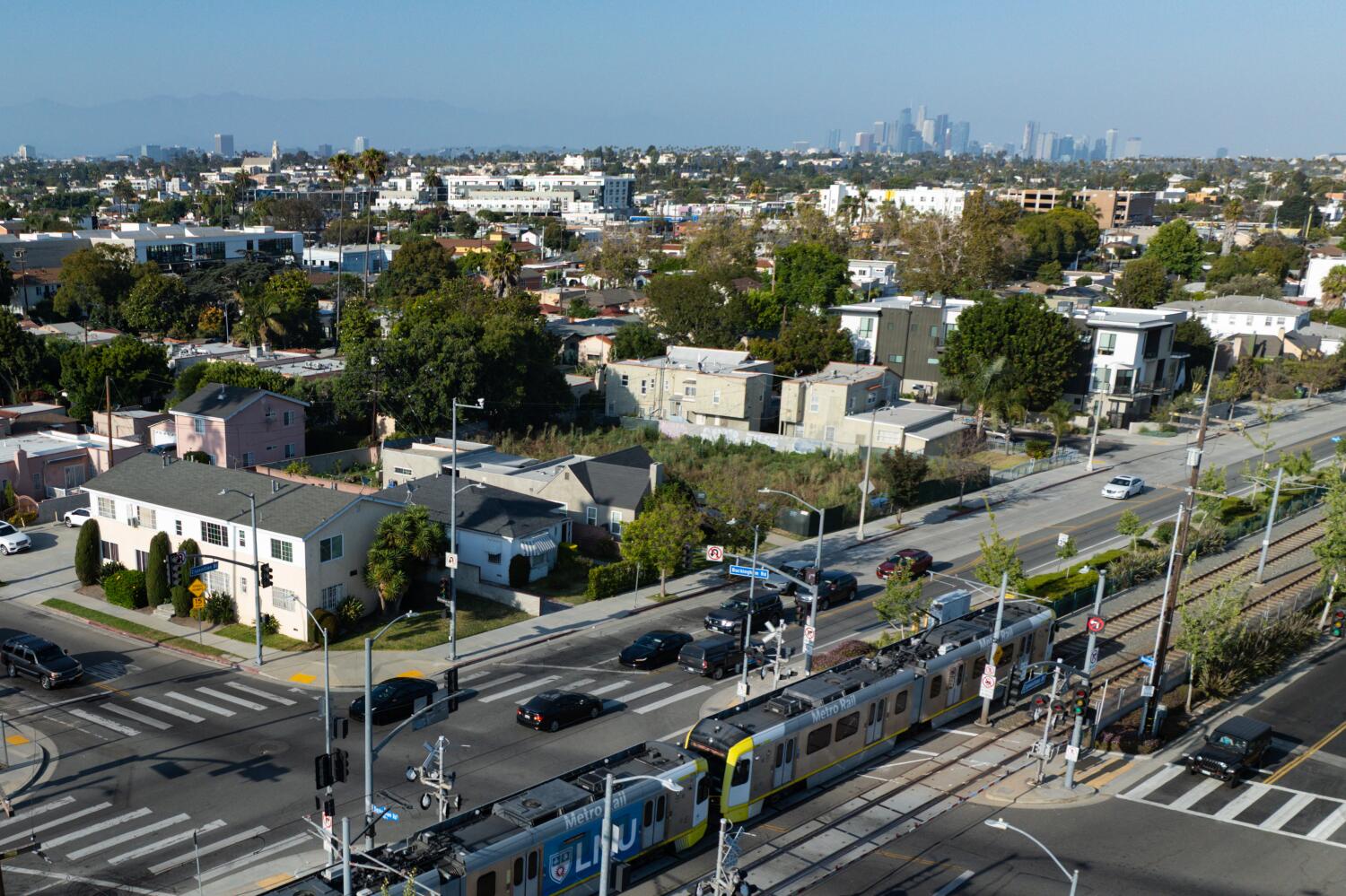
The biggest shakeup to California zoning laws just went live, and cities are absolutely scrambling to block it.
July 1, 2026, marks the official rollout of Senate Bill 79. This aggressive state law targets the holy grail of suburban NIMBYs: single-family zoning near public transit. It forces local governments to permit mid-rise apartment buildings—up to nine stories tall—right next to major bus and train lines.
But if you think high-rises are popping up overnight in Los Angeles or Beverly Hills, you're mistaken.
Cities across Southern California knew this deadline was coming. Instead of rolling over, local officials spent the last few months exploiting every legal loophole, carve-out, and technicality stuffed into the bill. They're passing tricky alternative local ordinances specifically designed to delay the state's aggressive density mandates for years.
Here's exactly how SB 79 works, where the rules are shifting, and how cities like LA are effectively dodging the state hammer.
The Secret Loophole Delaying Nine Story Apartments
On paper, SB 79 is a developer's dream. It strips local planning boards of their power to reject multifamily projects near transit. The default state rules establish three clear density zones based on proximity to a qualifying transit hub.
- Adjacent to transit: Up to 9 stories (85 feet) and 140 homes per acre.
- Within a quarter-mile: Up to 7 stories (65 feet) and 100 homes per acre.
- Within a half-mile: Up to 6 stories (55 feet) and 80 homes per acre.
It sounds simple. If you own a lot near a metro station, you can build an apartment building. But state legislators had to make deals to get this bill passed last October. To soothe angry city managers, they included a massive workaround called the Transit-Oriented Development Alternative Plan.
This alternative plan allows cities to delay or alter the state rules if they pass a local ordinance that adds a smaller amount of density somewhere else.
Los Angeles ran straight for this exit hatch. Rather than allowing nine-story buildings to cluster around its 150+ metro stations, the L.A. City Council passed its own "Low-Rise Ordinance."
This local law completely delays SB 79 in Los Angeles until 2030.
Instead of major high-rises, LA is phasing in light density across 57 designated neighborhoods. In these specific zones—mostly scattered across Central L.A., West L.A., the Eastside, and the San Fernando Valley—developers can bypass old single-family rules to build four-story townhomes, row houses, and bungalow courts with up to 16 units.
It's a clever political pivot. Mayor Karen Bass and local leaders get to claim they're expanding housing options for working families, but they simultaneously protected wealthy single-family neighborhoods from the sweeping nine-story towers Sacramento envisioned.
The Resistance Beyond Los Angeles
LA isn't the only city playing defense. The fight between state enforcement and local control is playing out in wildly different ways across the state.
Beverly Hills Failed to Dodge the State
Beverly Hills tried to pass its own quick alternative plan to sidestep the July 1 deadline. It backfired. On May 8, 2026, the California Department of Housing and Community Development (HCD) officially rejected the Beverly Hills plan. State regulators ruled that the city's alternative didn't provide enough real housing capacity and failed to protect rent-stabilized sites. The city has until July 7 to fix its plan or face full exposure to the state's maximum density rules.
San Jose Got It Right
San Jose took a different path. It drafted an implementing ordinance that perfectly utilized the law's exemptions for "industrial employment hubs" and areas lacking real pedestrian access to transit. HCD gave San Jose its stamp of approval on June 4, 2026, making it the model for how a city can legally limit SB 79 without getting sued by the state.
Glendale and San Diego Play the Waiting Game
Glendale is focusing its attention on its single confirmed transit stop: the Larry Zarian Glendale Transportation Center. Local planners are scrambling to pass a "Delayed Effectuation" ordinance to insulate low-density neighborhoods south of San Fernando Road and commercial zones along South Glendale Avenue.
Meanwhile, San Diego is phasing its rollout based on equity. The city is pushing full SB 79 implementation for its "Low Resource Areas" all the way back to 2031, arguing that these communities need extra planning time to prevent predatory displacement.
Where Construction Actually Begins
If you want to know what neighborhoods are changing first, you have to look at the maps. You also have to look at what's explicitly exempted.
Even in cities where SB 79 or local alternative plans are live, vast swaths of land remain completely untouched. The law explicitly bans the demolition of rent-stabilized buildings where tenants have lived at any time in the past seven years. It also completely protects designated historic districts, hillside fire zones, and coastal areas vulnerable to sea-level rise.
If a lot is clear of those restrictions and sits near a qualifying transit stop, the change is immediate.
For developers, the immediate plays aren't in the resistant single-family pockets of West LA or Beverly Hills. The immediate opportunities are in cities like San Jose that have clear, certified rules, or on commercial parcels and empty office lots where underutilized land can be converted without triggering tenant displacement fights.
Your Next Steps
Don't guess whether your neighborhood or property is affected by this massive zoning shift.
- Check local zoning portals: Los Angeles property owners should look up the ZIMAS mapping system and check the specific box for “Opportunity Station Sites Eligible for Low Rise” to see if their lot is one of the newly upzoned parcels.
- Review transit tier classifications: If you are looking at land near transit, verify if the stop is Tier 1 (heavy rail or high-frequency commuter rail with over 72 trips a day) or Tier 2 (light rail and select rapid bus lines). The tier completely dictates your height limits.
- Audit for displacement risk: Before drawing up construction plans under SB 79, audit the property's tenancy history. If a multifamily structure on the land housed tenants within the last seven years, the state's strict anti-displacement penalties will kill the project's financial viability.