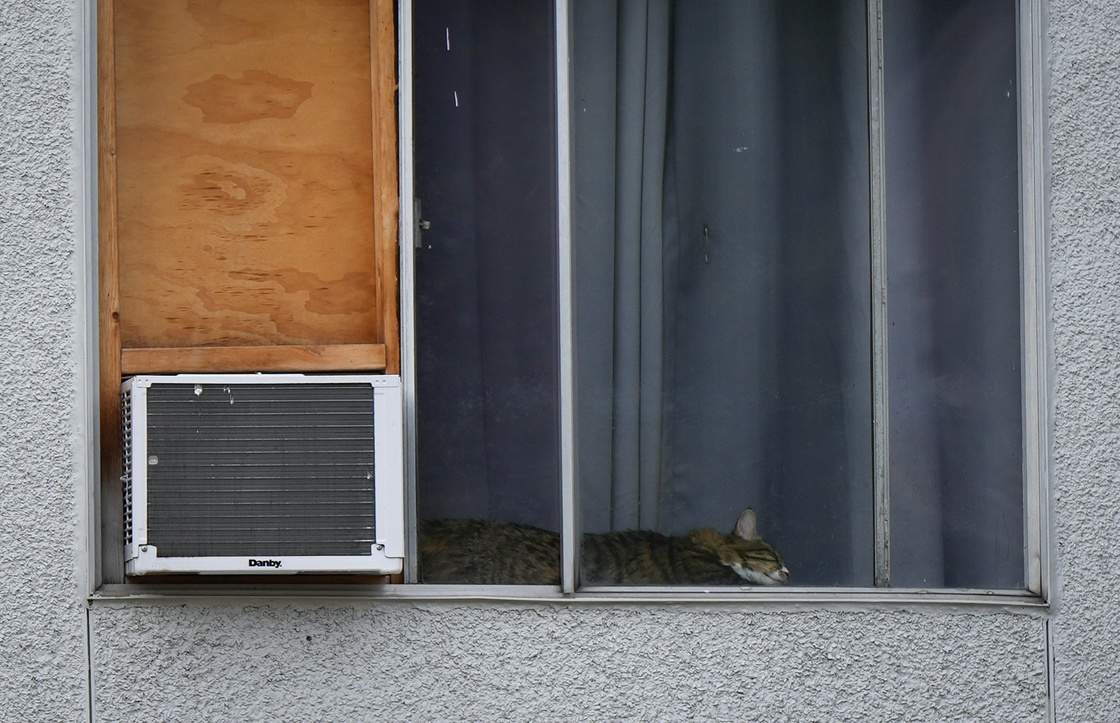
You are sweating through your sheets at 2:00 AM, the indoor thermometer reads 32 degrees Celsius, and the air feels like wet cement. If this happened in January and your radiators died, your landlord would face immediate, heavy fines. But because it is July, you are likely on your own. Renting in a heat wave has become a dangerous legal gray zone across Canada. Most provincial laws treat winter heat as a basic human right, while summer cooling is treated like an optional luxury.
This double standard is killing people. During the 2021 Pacific Northwest heat dome, more than 600 people died in British Columbia. An overwhelming 98% of those deaths happened indoors, mostly inside sweltering apartments where isolated seniors and vulnerable renters were trapped without air conditioning. Five years later, our legal frameworks are still dragging their feet.
The core issue is a complete disconnect between outdated tenant laws and our current climate reality. If you are renting an apartment right now, you need to understand what your landlord actually owes you, where the laws fall short, and how you can protect yourself when the mercury spikes.
The Freezing Winter Rule Versus the Boiling Summer Reality
Every major Canadian province has strict minimum temperature laws. In Ontario, landlords must keep rental units at a minimum of 21 degrees Celsius from October to mid-May. If they fail, the Landlord and Tenant Board can step in.
Summer is a completely different story. There is no universal maximum temperature rule in the Residential Tenancies Act. This means that in the middle of an orange or red heat alert, your landlord is generally under no provincial obligation to provide you with air conditioning or keep your unit cool.
This legal vacuum leaves renters vulnerable to extreme heat events. Landlords often exploit this gap by claiming they cannot afford to install cooling systems or by banning window air conditioners outright. They treat thermal safety as a tenant problem rather than a structural building requirement. It is an absurd position to take when outdoor temperatures are regularly hitting 37 degrees Celsius with humidex values climbing into the mid-40s.
The Bare Minimum Rules in Toronto
Toronto is one of the few cities trying to chip away at this problem, but the current framework is a confusing patchwork.
If your lease explicitly states that air conditioning is provided by the property owner, the landlord is legally required to maintain it. Under city bylaws, that system must keep your unit at or below 26 degrees Celsius from June 1 to September 30. If the system breaks down, the landlord cannot just leave you to roast. They have a legal duty to fix it promptly because it is a service included in your rent.
What happens if your building does not have central air? This is where the rules get messy.
As of June 1, 2026, apartment buildings enrolled in the RentSafeTO program that do not provide in-unit cooling must ensure that at least one indoor amenity space stays at or below 26 degrees Celsius. Landlords are forcing residents to leave their homes to sit in a cooled lobby, laundry room, or community room just to survive the afternoon heat. Tenant advocacy groups like ACORN have rightly pointed out that a shared cooling room is not a scalable or dignified solution for large high-rise communities. Seniors and people with mobility issues cannot easily relocate to a common room for days on end.
The Long Fight for a Real Maximum Temperature Bylaw
Change is coming, but it is moving at a agonizingly slow pace. In late June 2026, Toronto City Council finally adopted a framework to move toward a strict maximum indoor temperature bylaw. The goal is to force all landlords to keep rental units below 26 degrees Celsius, regardless of whether the building currently has air conditioning or not.
Councillor Josh Matlow has been pushing for this exact measure since 2012. For over a decade, city staff raised endless bureaucratic hurdles instead of finding solutions. They worried about compliance costs for building owners and whether landlords would try to pass those bills onto tenants through Above Guideline Increases (AGIs).
The new plan directs the City Manager to deliver an enforceable bylaw by June 2027. For tenants sweating through the current summer heat waves, that timeline offers zero immediate relief. It means another full summer of relying on luck, fans, and substandard building designs.
Other jurisdictions are showing it can be done faster. New Westminster in British Columbia and New York City have already moved toward establishing trigger temperatures and thermal safety protections. Toronto is lagging behind while its housing stock continues to bake.
The Air Conditioning Fee Scam
Because provincial laws do not guarantee cooling, a toxic trend has emerged where landlords use window air conditioners as a cash grab.
Many tenants buy their own portable or window AC units to stay safe. Instead of cooperating, landlords frequently slap them with illegal fees or threaten eviction. They claim the window units are a safety hazard or demand an extra fifty or one hundred dollars a month to cover the increased electricity costs.
You need to check your lease agreement very carefully here. If your utilities are included in your rent and your lease does not explicitly ban air conditioners or outline a specific seasonal fee, your landlord cannot suddenly demand extra money because you plugged in an AC unit. The Federation of Metro Tenants' Associations frequently handles cases where landlords use intimidation tactics to scare renters into paying illegal surcharges just to stay cool.
If your landlord claims your window AC is a safety risk, they have a right to ensure it is installed correctly. They do not have the right to force you to take it down during a heat warning without offering a safer alternative. The city does not ban window units; it simply requires them to be installed securely so they do not fall.
How to Handle a Baking Apartment Right Now
You cannot wait for city council to pass new laws in 2027 if your apartment is currently hitting 34 degrees Celsius. You have to take immediate steps to document the situation and protect your health.
First, buy a reliable digital thermometer that records indoor temperatures. Take photos of the temperature readings inside your apartment at different times of the day, especially during the late afternoon and night. Keep a detailed log of these readings alongside the corresponding outdoor temperatures and any heat warnings issued by Environment Canada. This data is your ammunition if you need to file a complaint later.
Second, put everything in writing. Send a formal email or letter to your landlord stating that the extreme indoor temperatures are creating an unsafe living environment. Mention any specific health vulnerabilities you or your family members have, such as asthma, cardiovascular issues, or old age. Ask them what steps they are taking to mitigate the heat, such as installing solar shades, optimizing ventilation, or allowing you to install a portable cooling unit without penalty.
Third, look into local emergency programs. Some municipalities offer direct relief during extreme heat events. Toronto, for instance, distributed roughly 1,500 free portable air conditioners to low-income apartment residents who were struggling in high-rise buildings. Check with your local community legal clinic or tenant association to see if you qualify for similar emergency equipment programs.
Action Steps for Your Next Move
Stop playing defense with an uncooperative landlord. Take these concrete steps immediately to assert your rights and stay safe during the next extreme weather spike.
- Check your lease for utility clauses. Verify if hydro is included in your rent and search for any specific language regarding seasonal appliances or air conditioning units.
- File a T6 application with the Landlord and Tenant Board if your landlord refuses to repair an existing, broken air conditioning system that was promised in your lease.
- Call 311 if you live in Toronto and your building's designated common cooling room is failing to maintain a temperature of 26 degrees Celsius or lower.
- Connect with local tenant unions like ACORN to join collective building actions demanding landlords install heat-mitigating window films or centralized cooling infrastructure.
- Keep your windows closed during the peak heat hours of the day if the outdoor air is hotter than your indoor air, and use heavy, light-reflecting blinds to block direct sunlight.



.jpg)