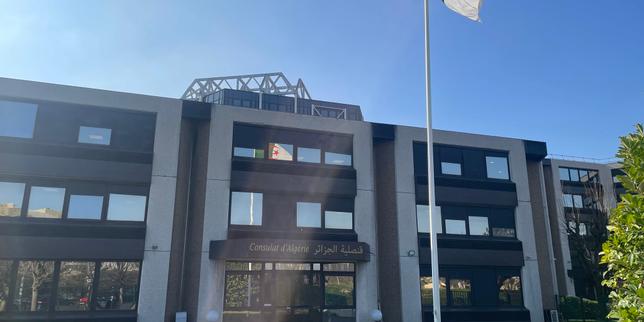
Geopolitics and sports don't mix well, but right now they're locked in a dangerous stranglehold. While the 2026 World Cup dominates global television screens, a French sports journalist named Christophe Gleizes is sitting in a ten-square-meter cell in Koléa prison near Algiers. He's serving a brutal seven-year sentence for "apology for terrorism." Behind the closed doors of diplomacy, a classic cold-war-style swap is brewing. The French government is quietly negotiating his freedom, and the chip on the table is the release of an Algerian consular agent held by France.
This isn't about state secrets. It's about a reporter who asked the wrong questions about a dead soccer player. If you think international sports are just about games, this messy diplomatic standoff will make you think twice.
The Secret Price of Freedom
Paris and Algiers have a long history of bad blood, but this latest transactional drama hits a new low. French officials have realized that legal appeals won't save Gleizes. His defense team withdrew their cassation appeal last March. That choice wasn't a surrender. It was a calculated tactical move to clear the legal deck so Algerian President Abdelmadjid Tebboune could issue a presidential pardon.
But pardons aren't free in North African diplomacy. Algiers wants something back. Specifically, they want the release of an Algerian consular agent detained in France. This trade puts the French government in a corner. Trading an accredited foreign official for a jailed journalist looks terrible on paper, but it might be the only way to get Gleizes home.
State bartering like this treats humans as currency. It's exactly the kind of leverage tactic you expect from isolated regimes, yet here it is playing out between France and Algeria. The French Ministry of Foreign Affairs remains tight-lipped. They use the usual quiet diplomacy talking points while the family watches the clock tick. Gleizes's mother, Sylvie Godard, has traveled to Algeria eight times just to speak to her son through prison glass. His 102-year-old grandmother is waiting in France, wondering if she'll ever see him again.
How a Soccer Investigation Turned into a Terrorism Charge
To understand how a freelance sports reporter for So Foot and Society ended up facing a seven-year prison term, you have to go back to May 2024. Gleizes didn't travel to Algeria to expose political corruption or military secrets. He went there to investigate a ghost.
In 2014, a talented Cameroonian striker named Albert Ebossé died under highly suspicious circumstances after a match for the Algerian club JS Kabylie. The official story from Algerian authorities was simple. A disgruntled fan threw a rock from the stands, hit Ebossé in the head, and killed him.
Gleizes didn't buy it. Neither did independent medical experts who previously suggested Ebossé was beaten to death in the locker room area.
Official Algerian Version: Lethal rock thrown from stadium stands.
Independent Medical Claims: Severe blunt force trauma consistent with a locker room beating.
Gleizes entered Algeria on a tourist visa because getting a formal journalist visa for the Kabylie region is nearly impossible. That was his first misstep. His second was interviewing the directors of JS Kabylie. Some of those executives were connected to the Movement for the Self-Determination of Kabylie, a Berberist group that Algiers officially designated as a terrorist organization.
The state security apparatus pounced. They claimed his routine journalistic interviews were evidence of him praising and supporting a terrorist network. In June 2025, the courts handed down the seven-year sentence. They locked him up in Tizi Ouzou before moving him to Koléa.
The Empty Chair at the 2026 World Cup
The timing of this diplomatic wrestling match is no coincidence. The 2026 World Cup is happening right now, and the global media spotlight is blinding. Organizations like Reporters Without Borders are using the tournament as a giant microphone to shout about the case.
Even FIFA got involved in a rare display of spine. The soccer governing body gave Gleizes an official tournament accreditation number. They left an empty seat for him in the stadium press boxes during matches. International sports journalists are holding up "Free Gleizes" scarves at official press conferences.
This public pressure campaign infuriates the presidential palace in Algiers. The regime wanted this World Cup to be a clean public relations win, a distraction from internal economic struggles and crackdowns on domestic dissent. Instead, every French match features a symbolic empty chair that reminds the world that Algeria has locked up the only sports writer currently imprisoned globally.
Even French manager Didier Deschamps acknowledged the crisis publicly. He responded to a tactical question about player hydration during a press conference—a question that Gleizes had actually drafted inside his prison cell and smuggled out through his legal team. It's a surreal reality where a prisoner is directing questions to the national team coach from a jail cell while diplomats haggle over consular agents.
The Nuñez Method Under Fire
This crisis shines a harsh light on France's current approach to Algiers. Critics are calling out what they label the "Nuñez method"—a diplomatic strategy named after French officials who favor quiet, transactional deals over loud public condemnations.
We saw this method work briefly when Franco-Algerian writer Boualem Sansal was released after 361 days of captivity. But Gleizes has now passed that milestone. He's entering another brutal summer behind bars, and the quiet approach looks less like a sophisticated strategy and more like weakness.
When Emmanuel Macron demanded stronger retaliatory measures against Algiers last year, it looked like France might finally draw a line. Yet, the current reality of trading a consular official shows that Paris is still playing defense. Algiers knows that France wants to maintain security cooperation and manage migration flows, so they use those priorities to dictate the terms of any prisoner release.
What Needs to Happen Right Now
The ordinary judicial options are completely dead. The appeal failed last December, and the cassation bid is gone. If you're looking for the next steps to actually resolve this standoff, the path forward is purely political.
- Finalize the Swap with Accountability: If France moves forward with releasing the Algerian consular official, they must secure ironclad guarantees for the immediate extraction of Gleizes. No staggered timelines that allow Algiers to back out.
- Keep the Soccer Pressure High: Journalists and media networks covering the 2026 World Cup must keep using their broadcast windows to mention the empty chair. Public embarrassment is the only currency the Algerian regime respects right now.
- Enforce Visa Reciprocity: If Algeria continues to deny entry to legitimate French journalists while using tourist visa entry as a trap to file terrorism charges, France needs to restrict visas for Algerian officials and state media workers.
The clock is running out for Gleizes. He has reportedly stopped writing letters home, worn down by the isolation and the false hope of the past two years. Quiet diplomacy has its place, but when it turns into an open marketplace for trading human beings, someone needs to change the game.