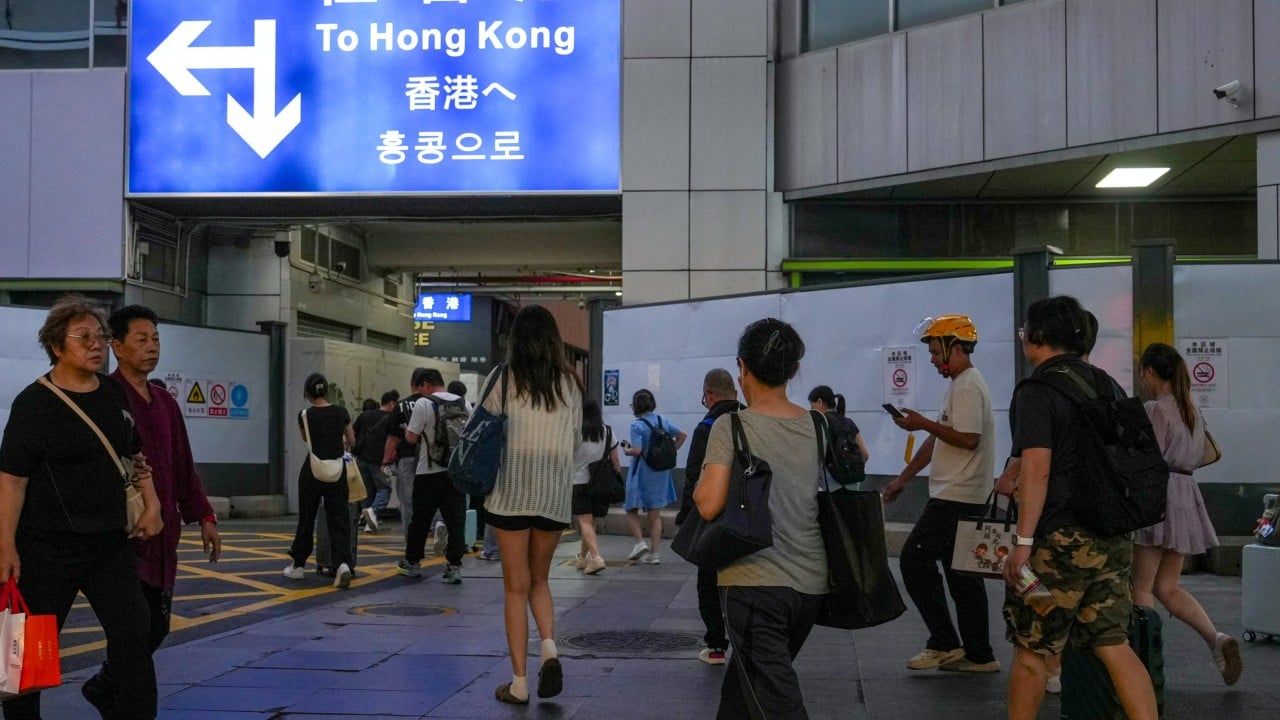
The rules for moving from mainland China to Hong Kong and Macau just changed overnight. The National Immigration Administration announced a sweeping revision to the criteria for mainland residents seeking to settle in the two special administrative regions. Starting Wednesday, the old points-based system is gone, replaced by a completely overhauled framework.
If you think this is just another dry piece of cross-border bureaucracy, you're missing the bigger picture. This shift reshapes how families reunite, how talent moves, and how Beijing intends to integrate the Greater Bay Area.
The Death of the Points System
For years, moving from the mainland to Hong Kong or Macau meant navigating a slow, rigid points system. The criteria heavily favored specific, structured milestones, often leaving applicants waiting in bureaucratic limbo for years. The National Immigration Administration's decision to drop the points model signals a push toward flexibility.
Instead of checking off arbitrary boxes on a point sheet, the new criteria focus on direct demographic and socioeconomic alignment. This means the central government is taking a closer look at who actually needs to move—and who benefits the regional economies most—rather than letting a mathematical formula decide.
What the Overhaul Actually Changes
The immediate impact falls heavily on family reunions and professional relocation. Under the old rules, spouses and dependent children faced long, predictable, but agonizingly slow queues based on regional quotas and point accumulation.
The revised framework alters these priorities:
- Family Streamlining: Processing for spouses and dependent children will see direct evaluation based on actual status rather than waiting for annual point thresholds.
- Decentralized Processing: The new system shifts more verification power to provincial authorities, cutting down the time applications sit on desks in Beijing.
- Integration Alignment: The rules directly match Beijing’s broader economic goals for the Greater Bay Area, making it easier for specific demographics to gain residency.
People often make the mistake of looking at Hong Kong immigration as a one-way street controlled entirely by the local government. It isn't. The mainland's exit controls have always been the real gatekeeper. By changing the criteria at the source, the National Immigration Administration is effectively turning the tap on who gets to call Hong Kong or Macau home.
The Greater Bay Area Connection
This policy shift didn't happen in a vacuum. It follows a series of recent changes aimed at breaking down the borders between the mainland and the two SARs. Just recently, non-Chinese permanent residents in Hong Kong and Macau gained access to special five-year mainland travel permits, sparking a surge in weekend travel across the border.
Beijing wants a highly mobile workforce and seamless family structures within the region. The old points-based exit permit system was an outdated relic of a time when the border was a hard wall. The new system treats the border more like a filter.
What You Should Do Next
If you or your family members are currently in the pipeline for a One-Way Permit to settle in Hong Kong or Macau, the old playbook is out the window.
First, check with your local municipal public security bureau immediately. Because the new rules take effect this Wednesday, local offices are updating their internal guidelines right now.
Second, don't assume your previous points total guarantees your spot in line. You need to reassess your application under the new category-based criteria. Gather updated proof of relationship, employment status, and residency documents, as provincial authorities will be looking at these with a fresh set of eyes.