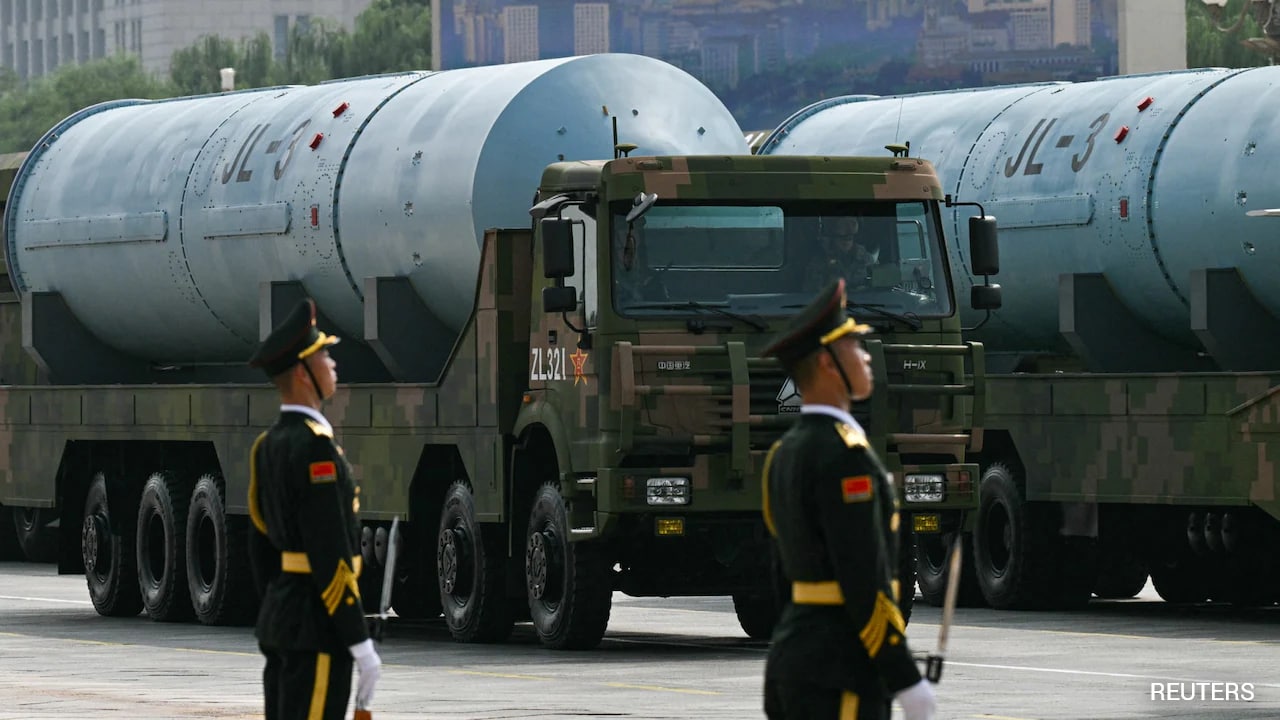
China just sent a clear, unyielding message across the Pacific Ocean. On Monday, July 6, 2026, the Chinese navy test-fired a nuclear-capable intercontinental ballistic missile from a submarine, watching it splash down right into the waters northeast of the Solomon Islands. It was a successful launch of what experts believe is the JL-3, an advanced sea-based weapon designed with a terrifying reach.
The reaction from Washington was swift and sharp. State Department spokesperson Tommy Pigott called Beijing's rapid and opaque nuclear weapons buildup a matter of great concern for the entire world. The US is calling for transparency, demanding that China join formal arms control talks and start acting like the other major nuclear powers by notifying everyone before shooting massive rockets into international waters.
But behind the polite diplomatic scolding lies a much uglier reality. The global balance of power is shifting faster than the West wants to admit.
The Reality Behind the Pacific Splashdown
For decades, Beijing maintained a small, quiet nuclear arsenal. They called it a minimum deterrent. Those days are gone. The Pentagon recently warned Congress that China's stockpile hit roughly 600 nuclear warheads in 2024, and it is on track to breeze past 1,000 warheads by 2030.
This latest test is the ultimate proof of that acceleration. By launching a missile with an estimated range of over 10,000 kilometers from a submerged submarine, China demonstrated it can now target parts of the continental United States while keeping its submarines safely hidden near its own coastlines.
You don't build that kind of firepower for fun. You build it to ensure no one can bully you.
Critics in Washington argue that this move flies in the face of international norms. The other permanent members of the UN Security Council usually give a heads-up before launching long-range military hardware into space or open waters. China didn't feel the need to do that here. Instead, state-run media like the Global Times cheered the event as a milestone, boldly claiming that a stronger Chinese nuclear force is the best guarantee for regional peace.
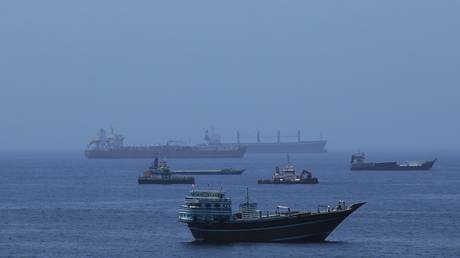
It is a classic case of projection. What Beijing calls peace, its neighbors call a direct threat. Australia and Japan have already joined the US in condemning the launch, pointing out the immense risk of flying unannounced ballistic missiles through heavily trafficked regional waters.
Diplomacy in the Shadow of the Mushroom Cloud
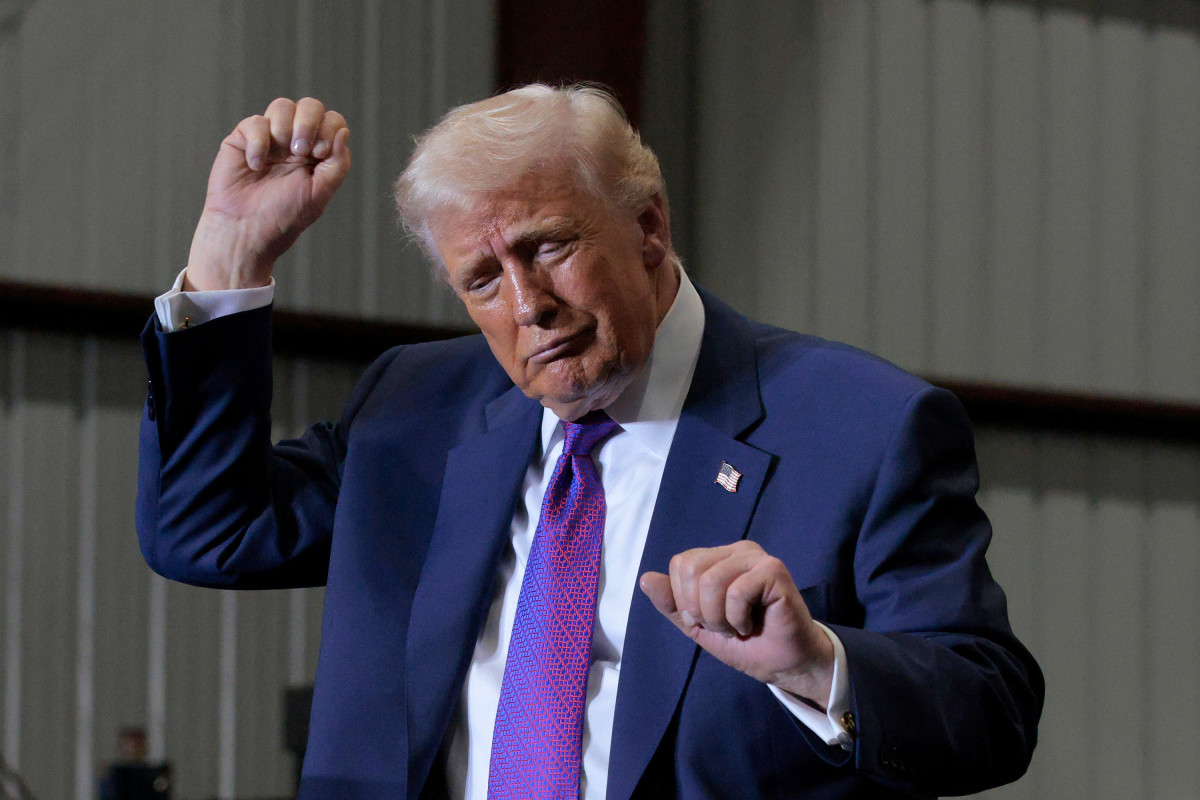
The timing of this test is intentionally awkward. President Donald Trump and Chinese President Xi Jinping are currently scheduled to meet at the White House on September 24 to discuss stabilizing their fragile economic and political relationship.
Shooting off an ICBM just weeks before a high-profile state visit looks like bad manners. But it's actually brilliant strategy. Xi isn't trying to cancel the meeting. He's setting the terms before he even steps foot on American soil.
By flexing its sea-based nuclear muscles, Beijing is telling Washington that it is no longer the junior partner in this relationship. They want to be treated as a true military equal.
If you look closely at how the US responded, you can see the tightrope Washington is walking. The State Department scolded China's lack of transparency but didn't threaten to cancel the upcoming summit. The US needs these talks to prevent a catastrophic miscalculation.
How the World Moves Forward From Here
Western leaders need to stop treating China's military expansion as a surprise. It is a calculated, well-funded reality. Wishing for a return to the old status quo won't change the fact that Beijing is building a modern, highly survivable nuclear triad.
The immediate next step requires regional powers to update their tracking and defense frameworks. Relying on old notification agreements isn't enough when one side chooses to ignore them. Washington must deepen its intelligence-sharing networks with Tokyo and Canberra to ensure real-time tracking of Chinese submarine movements.
At the same time, the upcoming September summit cannot just be about trade tariffs or tech restrictions. The US must force the nuclear conversation into the open, making risk reduction and crisis communication lines the top priority. Without clear channels to prevent accidental escalation, a routine training exercise could easily turn into something far worse.