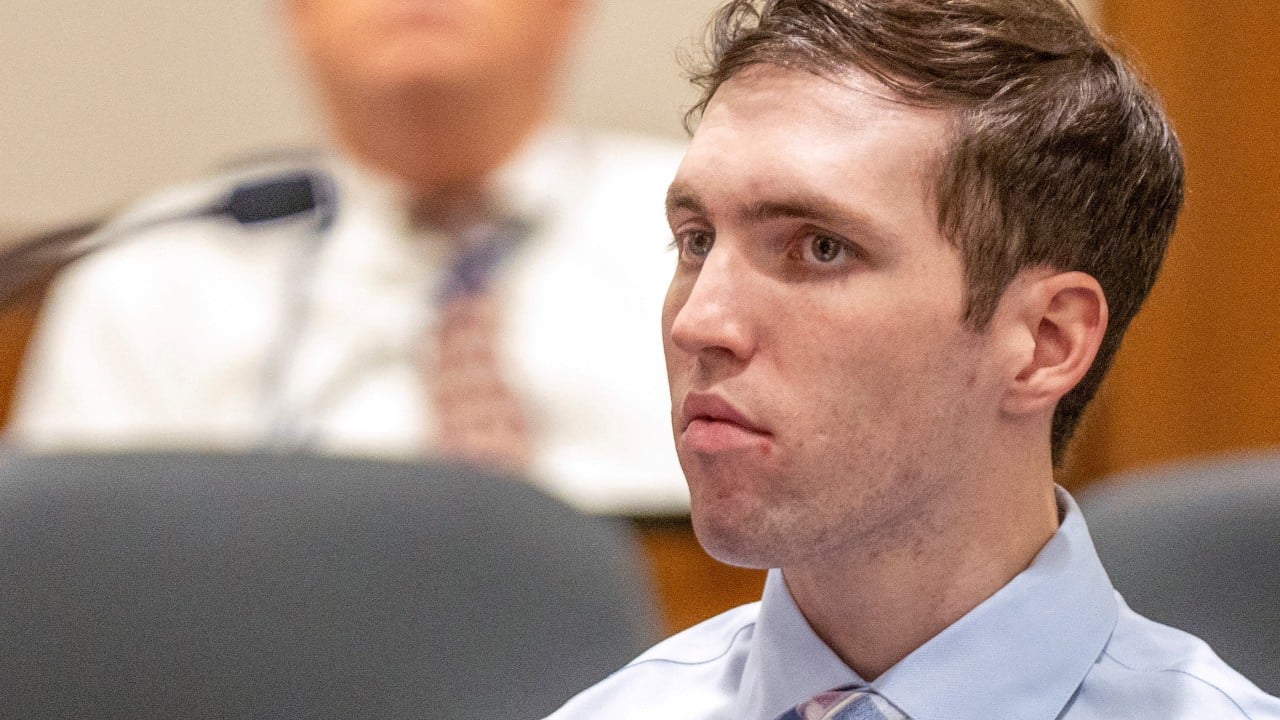
A high-profile assassination case is moving to a Utah courtroom. This week, prosecutors will outline exactly why they believe 23-year-old Tyler Robinson shot and killed conservative activist Charlie Kirk. The five-day preliminary hearing starts Monday in Provo, Utah. It marks a critical turning point in a case that shocked the political spectrum last autumn.
If you expect a full trial right now, you'll be disappointed. This isn't that. It's a preliminary hearing, which functions like a minitrial designed to show the judge enough basic evidence to move forward. The legal stakes are incredibly high because prosecutors want the death penalty.
Legal experts say the state has an overwhelmingly strong hand. Former federal judge Paul Cassell called the case a proverbial slam dunk. Still, defense attorneys have fought hard behind the scenes to limit public visibility and restrict witness testimonies.
Here is exactly what is happening in Utah and what the prosecution plans to reveal.
The Evidence Stacked Against Tyler Robinson
The shooting happened on September 10 at Utah Valley University. Kirk was speaking to a crowd of thousands when shots rang out. Robinson turned himself in shortly after the incident.
Prosecutors claim they have an airtight trail of evidence. They aren't just relying on eyewitness accounts from the chaotic scene. The physical evidence is substantial. Authorities state that they found DNA matching Robinson on multiple key items. These include the rifle trigger, the fired cartridge casing, two unfired cartridges, and a towel used to wrap the weapon.
DNA doesn't lie. That physical footprint alone makes the defense's job nearly impossible.
Then come the written records. Prosecutors allege Robinson left a direct note for his roommate and romantic partner. The note reportedly stated that he had an opportunity to take out Charlie Kirk and intended to take it.
He didn't stop there. He also allegedly sent a text message confession. The text stated that he had enough of Kirk's hatred and that some hate cannot be negotiated out.
Robinson's own parents confronted him after police released a surveillance photo of the suspect. They convinced him to speak with a retired sheriff's deputy who was a family friend. That friend helped arrange his surrender.
Understanding the Preliminary Hearing Rules
This week is not about proving guilt beyond a reasonable doubt. That standard belongs to a formal criminal trial.
Instead, the state needs to clear a much lower bar. They must show probable cause, meaning reasonable grounds to believe Robinson committed the crime. Because of this lower threshold, the rules of evidence are relaxed.
State District Judge Tony Graf will preside over the proceedings. Prosecutors will call investigators to the stand, present autopsy findings, and show video footage of the actual assassination. They can even use hearsay or secondhand information during this phase. They don't have to show every card in their deck. They just need to show enough cards to satisfy the judge.
The Fight Over Witness Testimony
Defense attorneys tried to block prosecutors from using recorded statements from Robinson's roommate. They argued the roommate should have to testify live in the courtroom. That would allow the defense to cross-examine and challenge the roommate's credibility on the spot.
Judge Graf rejected that defense request. The recorded statements will stand. This ruling saves the roommate from a live appearance but deprives the defense of an early chance to poke holes in the story.
Legal Dramas and Contempt of Court
The road to this hearing has been messy. Just days ago, Judge Graf found Deputy Utah County Attorney Christopher Ballard in civil contempt. The defense accused prosecutors of going on a media tour. Specifically, Ballard made public comments regarding a bullet fragment recovered from Kirk's body.
The defense tried to use this misstep to get the death penalty taken off the table. They claimed public comments would taint potential jurors. Judge Graf didn't buy it. He issued the contempt ruling but refused to eliminate the death penalty option. The state can still seek execution if Robinson is convicted.
The Widow Taking Charge
Erika Kirk, Charlie's widow, will be in the courtroom this week. It will be the first time the Kirk family sits face-to-face with the accused killer.
Erika Kirk has refused to fade into the background. She took the reins of Turning Point USA following her husband's death. She also took a surprising public stance during his memorial service, where she openly forgave Robinson.
Despite that forgiveness, she wants justice and transparency. When defense lawyers tried to bar cameras and the public from the preliminary hearing, Erika Kirk fought back. She publicly advocated for full media access. Judge Graf ultimately agreed with her, denying the defense's secrecy request. The entire five-day hearing will be livestreamed for the public to see.
Why Utah Capital Punishment Laws Matter Here
Utah allows the death penalty, but only under specific aggravating circumstances. Prosecutors have to prove the crime was uniquely heinous or endangered multiple lives.
In this case, the state argues that opening fire into a crowd of thousands at a university event fits the bill. The shooting didn't just target Kirk. It put every single attendee in immediate danger. This argument is the foundation for their pursuit of capital punishment.
The defense has not yet entered a formal plea for Robinson. They've stayed quiet on his guilt or innocence. Their strategy so far has focused entirely on damage control, trying to suppress evidence, limit media exposure, and remove the death penalty. They failed on all three fronts.
Next Steps for Following the Trial
The hearing begins on Monday morning in Provo. If you want to follow the details, look for the official court livestream links provided by Utah court media pools. Expect local reporters to provide live text updates because cameras are permitted inside the room. After five days of arguments, Judge Graf will rule on whether the case moves to an official trial date. Given the DNA and written confessions, a trial order is virtually guaranteed.