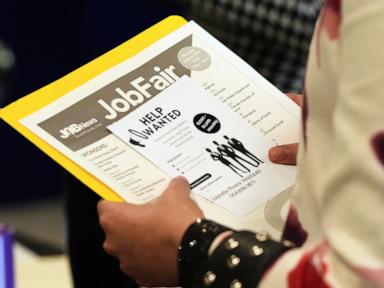
Everyone wants to know if hiring is picking up in the US or if we are sliding into a deeper economic freeze. If you look at the raw numbers coming out of the Labor Department, you might think things are finally looking up. Economists tracking FactSet data expect the June jobs report to show around 100,000 new positions. That would mark four straight months of job growth. It sounds like a recovery, especially after employers were shedding jobs during the winter.
But the headline numbers are lying to you.
The job market is not experiencing a healthy boom. It is undergoing a strange, structural shift that leaves everyday workers stranded. While the unemployment rate holds steady at a historically low 4.3%, the ground beneath our feet is shifting. If you are hunting for a job right now, you know this firsthand. The market feels tight, frustrating, and incredibly stubborn.
The Mirage of the June Jobs Report
The recent bounce looks impressive on paper. Between March and May, US employers added an average of 188,000 jobs every month. Compare that to the dead zone of December through February, where the economy lost an average of 4,000 jobs monthly. On the surface, that looks like a clean turnaround.
It is not.
Much of this recent hiring spike rests on temporary foundations. Look at the May data. Out of the 172,000 jobs created, a massive 70,000 came from restaurants, bars, and hotels. Another 55,000 came from local governments. These two sectors alone accounted for nearly three-quarters of all job growth.
This was a seasonal surge. The World Cup kicked off in June, forcing the hospitality sector into a frantic hiring spree to prepare for millions of international fans. Local municipalities scaled up seasonal operations. These are not permanent, high-paying corporate careers that sustain an economy. They are temporary, low-wage service roles. Now that the summer rush has peaked, that artificial boost is evaporating. June estimates of 100,000 new jobs show the momentum is already slowing down.
Why a Low Unemployment Rate is Misleading
We hear constantly that a 4.3% unemployment rate means the economy is stable. In the past, that would be true. Today, that number remains low because the American workforce itself is barely growing.
Baby boomers are retiring in droves. At the same time, new immigration has slowed down to a trickle. When fewer people are actively entering the job market, the economy does not need to create many jobs to keep the unemployment rate down.
Experts point out that adding just 100,000 jobs a month is now enough to keep the unemployment rate completely unchanged. In a healthy, growing nation with a rising population, 100,000 jobs would be a disaster. In 2026, it is just maintenance.
This slow growth changes how the Federal Reserve views the economy. The central bank keeps its key interest rate sitting around 3.6%. Some officials look at steady job growth and assume the economy can handle these high rates. They think the high rates are not hurting businesses. They are wrong. High interest rates are choking small businesses and stopping companies from expanding their permanent payrolls.
The Brutal Disconnect Between Wages and Inflation
If hiring is picking up in the US, workers should feel richer. They do not.
Inflation has climbed to a three-year high of 4.2%, driven largely by wild spikes in gas prices. Meanwhile, wage growth has cooled significantly from the wild days of the post-pandemic hiring craze. Workers are seeing average annual pay gains of about 3.4% to 3.5%.
Do the math. Inflation is at 4.2%. Wages are growing at 3.5%.
Every single month, the average American worker is losing purchasing power. Real after-tax incomes were completely flat in May compared to last year. People are working just as hard, yet their paychecks buy less at the grocery store and the pump. This wage gap splits the consumer economy in two. High-income earners with investments can still spend freely, keeping retail numbers alive. The rest of the country is cutting back on everything but the essentials.
The Senior Worker Mismatch Leaving Grads Behind
The job market suffers from a massive structural mismatch. Data from ZipRecruiter highlights a frustrating trend. Companies are terrified of making bad hires in this weird economy, so they are only posting openings for senior, highly experienced workers.
Job seekers are doing the exact opposite. Millions of applicants, including recent college graduates, are hunting for entry-level positions.
Because people are terrified of losing their current economic safety, nobody is quitting their jobs. Employee quit rates have plummeted. In a normal market, senior workers change companies, which opens up mid-level roles, creating a domino effect that allows entry-level talent to step up. Right now, that chain is broken. Experienced workers are staying glued to their desks.
This leaves less-experienced workers completely locked out. Young workers between 16 and 24 are facing an unemployment rate of 9.4%. Long-term unemployment, meaning those out of work for 27 weeks or more, jumped by 155,000 recently. This explains the deep anger and exhaustion among job seekers. The government says everything is fine because unemployment is at 4.3%, but if you do not have five years of specialized experience, you cannot find a door that will open for you.
Artificial Intelligence is Reshaping the Search
Everyone worried that artificial intelligence would cause immediate, massive layoffs across the country. That has not happened yet. Economists argue that the technology is making existing workers more efficient rather than replacing them entirely.
The real impact of technology is subtler. It is driving the demand for senior talent. Companies realize they can use automated tools to handle basic, repetitive tasks that used to be assigned to junior employees or interns. Instead of hiring three entry-level workers, a company will buy software licenses and hire one senior manager to oversee the system.
This shifts the entire hiring process toward skills-based evaluation. Employers do not care about a generic degree anymore. They want to see specific proof that you can operate these systems and deliver immediate value on day one. If you cannot show specific case studies or technical mastery, your resume gets tossed by automated filters before a human ever looks at it.
How to Navigate This Flat Job Market
Do not sit around waiting for a massive hiring boom to save your job search. The data shows we are stuck in a slow, grinding market for the foreseeable future. If you want to land a position now, you have to change your strategy completely.
First, stop firing off hundreds of generic resumes into online portals. Because companies are looking for highly specific, senior-level skills, generic applications are a waste of time. Pick five companies you actually care about. Find the people who manage the teams you want to join. Reach out to them directly with a specific solution to a problem they are currently facing.
Second, upgrade your technical skills immediately. If companies are using software to replace entry-level tasks, you need to master those tools. Show that you know how to leverage modern software to do the work of two people.
Third, look at the sectors that are actually growing. Healthcare remains an absolute powerhouse for job creation because the American population is aging rapidly. Construction and goods-producing businesses are also seeing major investments as companies build out data centers to support new computing needs. If your current industry is frozen, look at how your skills can transfer into healthcare operations, logistics, or infrastructure development.
The economy is not broken, but it is not booming either. It is moving slowly, favoring experience over potential, and forcing workers to fight harder for jobs that pay less relative to inflation. Understand the reality of the market, stop relying on old job-hunting methods, and adjust your strategy to fit the world we are actually living in.
Job Alert: Job predictions for class of 2026
This video offers practical insights into the shifting dynamics of early-career employment and what sectors are actively recruiting talent.