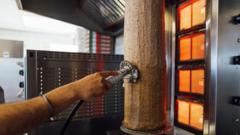
You think you are eating lamb when you order a late-night doner kebab. You are probably wrong.
A massive trading standards investigation just exposed one of the UK’s largest kebab manufacturers for spinning a national meat scam. Kismet Kebabs Ltd, a giant supplier based in Chelmsford, Essex, got hit with a £500,000 fine and ordered to pay over £259,000 in prosecution costs at Swansea Crown Court. Why? Because they spent years selling "lamb" kebabs that barely contained any actual lamb meat. Discover more on a similar topic: this related article.
Instead, they stuffed their products with goat, mutton, animal skin, massive amounts of fat, and industrial sludge. It sounds sickeningly familiar. This isn't just a minor labelling error. This is a systemic, corporate deception drawing uncomfortable comparisons to the notorious 2013 horsemeat scandal.
The Anatomy of a Doner Kebab Scam
The deception began unraveling when Swansea Council’s trading standards team ran routine tests on takeaway food across Wales. The lab results came back weird. The meat inside the kebabs did not match the labels on the boxes. More reporting by USA Today highlights related views on this issue.
Trading standards officers, backed by the National Food Crime Unit and the Food Standards Agency, raided Kismet’s Essex factory. What they found inside was a joke. There was almost zero genuine lamb on the premises.
Instead, the facility was packed with boxes of frozen body fat, animal skin, and cheap goat meat. Factory recipes showed that what entered the production line had nothing to do with the labels printed at the other end.
Look at the numbers from the court case. One product sold by Kismet was marketed as a premium lamb doner boasting an 87% lamb content. When scientists analyzed it, they found it contained only 51% meat of any kind. The other 40%? Pure fat and skin.
Even worse, the company was churning out mechanically derived meat mixtures. They blended neck trimmings, mutton scrap, water, and ice into a paste. Then they counted this slurry toward the legal meat percentage on the packaging. By legal definitions, this stuff shouldn't even be called meat.
Why Food Fraud Thrives in the UK
This is not a single bad batch. It was an organized, planned, and highly lucrative operation. During the period investigated, Kismet ran a turnover of roughly £32.5 million, pocketing an estimated £6 million in profit specifically from these fake lamb sales.
They undercut honest livestock farmers who spend real money raising premium Welsh lamb. Fake food makes real food impossible to compete with.
The defense argued the business "took its eye off the ball." That is a massive understatement. The judge, Huw Rees, did not buy it, calling the fraudulent behavior endemic and pointing out the company's considerable dishonesty over a prolonged period.
The UK food supply chain relies on trust, but the system clearly has massive blind spots. Kismet actually had a partnership with Essex Council that was previously terminated because of complaints and potential public health issues found during a factory audit. Yet, they kept shipping fake meat nationwide to wholesalers and local kebab shops for years.
How to Protect Yourself from Takeaway Fraud
You cannot pull out a DNA testing kit at 11 PM on a Saturday night. But you can change how and where you buy your food to protect your health and your wallet.
- Avoid suspiciously cheap meat. Lamb is an expensive livestock product. If a takeaway shop sells a giant lamb doner for the price of a coffee, it isn't lamb. It is fat, skin, and cheap fillers.
- Pivot to visible cuts. Choose shish kebabs instead of doner meat. A lamb shish consists of actual chunks of meat skewered and grilled. It is incredibly hard to fake the texture of a real muscle cut using skin and mechanically reclaimed meat paste.
- Check for food hygiene ratings. Establishments that respect food safety standards are far less likely to buy the cheapest, unverified boxes of meat from sketchy wholesalers.
- Ask for the source. High-quality local shops take pride in using legitimate regional meat. If the staff cannot tell you where their meat comes from, walk away.
Stop buying mystery meat cylinders from vendors who compete solely on being the cheapest option in town. Support local businesses that transparently source their ingredients, and force the industrial food counterfeiters out of business.


.jpg)