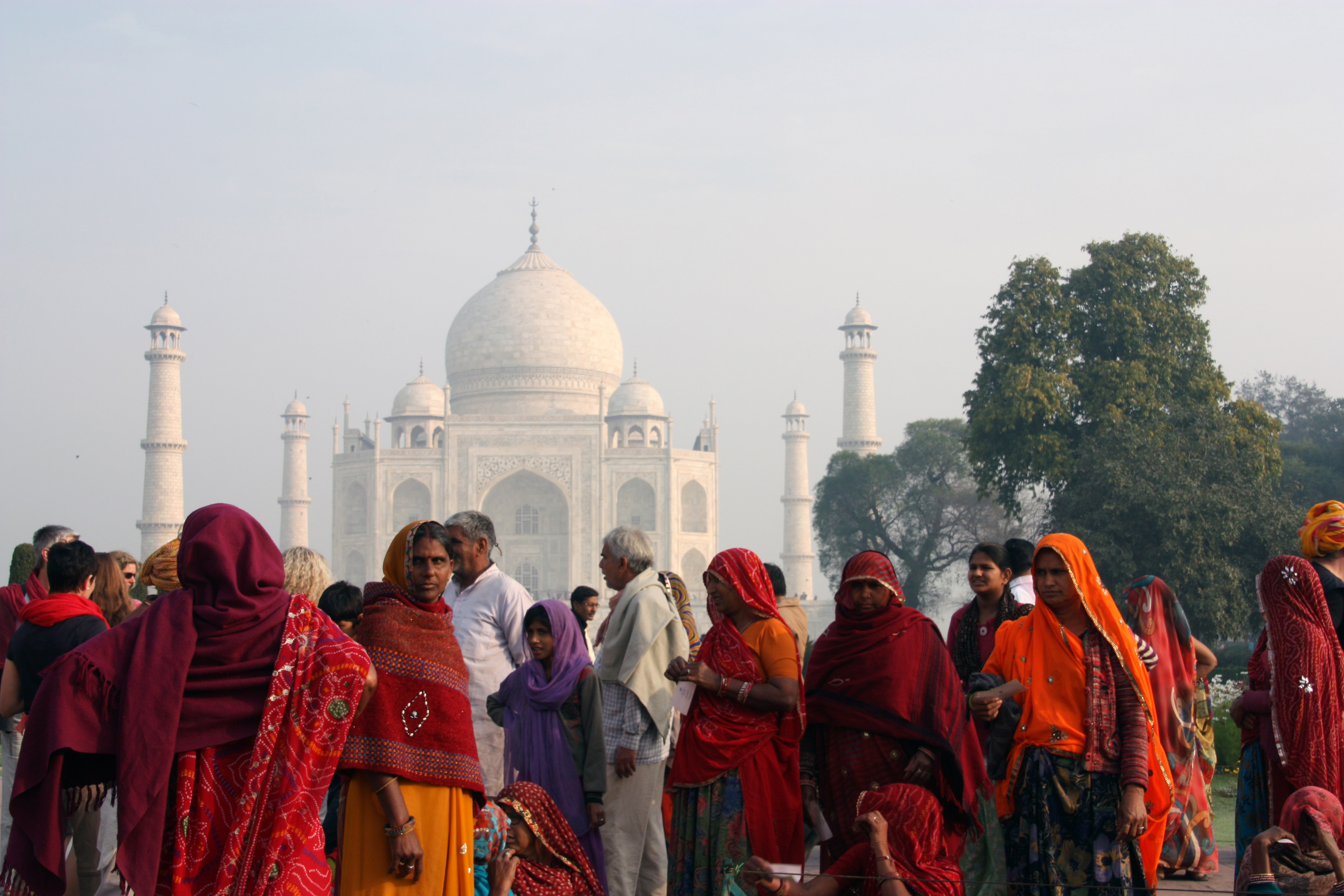
Hundreds of thousands of mourners in black packed the streets of Tehran. The air was thick with grief, incense, and a very literal demand for blood. This was the marathon funeral for Iran’s late Supreme Leader, Ayatollah Ali Khamenei, who was wiped out months ago by a devastating airstrike at the onset of the Iran war.
But the real flashpoint did not happen in the quiet moments of prayer. It exploded over the loudspeakers when a local poet, Mohammad Rasouli, took the stage. He did not just read elegies. He looked out at the massive crowd and threw a direct question into the microphone, referring to U.S. President Donald Trump: "Why is the most bastard man in the world still alive?"
The crowd roared. Deafening chants of "Kill Trump" and "Kill Bibi" echoed across the Imam Khomeini Grand Mosalla.
It’s easy to dismiss this as standard theatrical rage from the Islamic Republic. We have heard "Death to America" for decades. But this time, it’s completely different. This direct, state-sanctioned call for the assassination of a sitting American president happened at the exact moment Iranian diplomats are trying to cut a deal with Washington to permanently end a war that ruined their military.
You don't get a mixed signal much bigger than this.
The Geopolitical Double Game
Iran is playing a dangerous game of good cop, bad cop on a global scale. While hardliners like Rasouli stoke public fury on the funeral stage, the country's diplomats are preparing to sit down with American officials in Pakistan to negotiate a permanent ceasefire. The war has devastated Iran's conventional military infrastructure. Donald Trump even bragged about it during a speech in Washington marking the U.S. 250th anniversary, stating plainly that the U.S. military had "wiped out" Iran's forces.
Yet, Iran still holds a massive trump card: the Strait of Hormuz. By threatening to squeeze global energy supplies, Tehran is trying to salvage whatever leverage it has left.
The fiery rhetoric at the funeral serves a specific domestic purpose. The ruling regime needs to show its core supporters that negotiating does not mean surrendering. They are signaling that even if they sign a paper with Washington, the blood feud remains alive.
Who was in the crowd and who skipped it
The funeral lineup revealed a lot about the current internal fractures in Tehran. High-profile figures stood beside the coffins, including:
- President Masoud Pezeshkian
- Parliament Speaker Mohammad Bagher Qalibaf
- Quds Force Commander Esmail Qaani
- Three of Khamenei’s sons: Masoud, Meysam, and Mostafa
Conspicuously missing was the man who actually matters now: Ayatollah Mojtaba Khamenei, the late leader's son and the newly named Supreme Leader. Officially, senior clerics led the prayers because Mojtaba was nowhere to be found. Rumors are swirling that he is in deep hiding after being wounded in the same February airstrike that killed his father. With Israel openly threatening to target him next, his absence speaks volumes about the sheer panic behind the regime's tough exterior.
Red Flags and Foreign Friends
The messaging at the funeral extended far oily speeches. The entire Mosalla complex was draped in red flags. In Shiite tradition, red flags aren't just a sign of mourning. They are an explicit demand for blood vengeance. Hardline state influencers quickly flooded social media to reinforce this, reminding everyone that the regime considers avenging Khamenei a holy duty.
Interestingly, Western intelligence wasn't the only ones watching. A Russian delegation was spotted right in the middle of the procession. As the crowds chanted for Trump’s death, the presence of Moscow’s envoys underscored a deepening alliance. Russia and Iran are leaning heavily into each other, forming a united front against Washington at a time when global stability is incredibly fragile.
Trump’s reaction to the entire spectacle was characteristically blunt. He noted that he was keeping a close eye on the funeral proceedings and even hinted that the gathered Iranian officials made tempting targets. However, he added that Washington would hold its fire simply because "it needs people to negotiate with."
What Happens Next
The theatrical rage in Tehran cannot mask the reality that Iran is cornered. The next few weeks will determine whether this conflict truly ends or blows up into something worse. Keep your eyes on these critical points:
- July 11 Talks: Watch the upcoming negotiations in Pakistan. If Iran refuses to compromise on the Strait of Hormuz, Trump’s patience will vanish.
- Mojtaba’s Status: If Iran's new Supreme Leader stays in the shadows, it signals deep instability within the regime's leadership structure.
- Strait of Hormuz Shipping: Watch global oil prices. Any Iranian military posturing near the shipping lanes will trigger immediate Western retaliation.
The chants in Tehran make for great television, but the real war is currently being fought with spreadsheets, oil reserves, and backroom diplomatic cables. Don't let the noise fool you.
:max_bytes(150000):strip_icc()/TAL-nassau-bahamas-BEAUTCARIB0323-4fbfce903e5a4418b895e03717e3de0d.jpg)