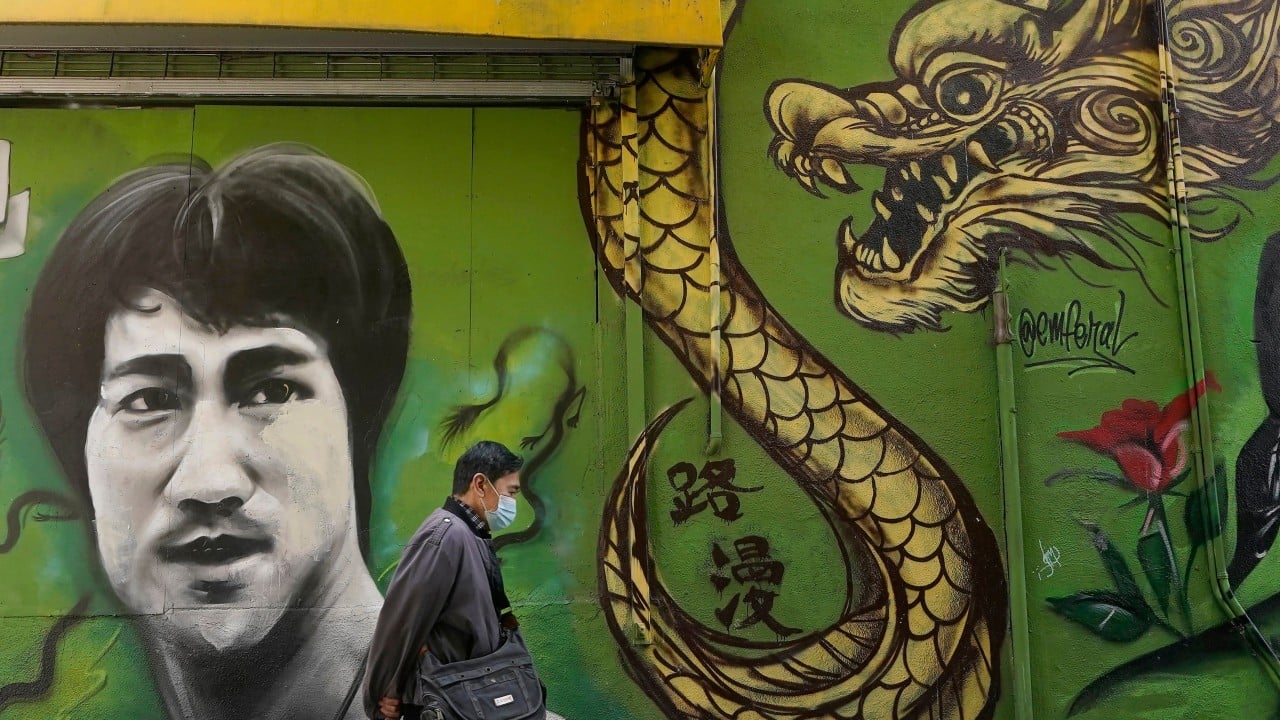
Hollywood told Bruce Lee he wasn't white enough to lead an American TV show. They paid him less than his white counterparts. They asked him to play caricatures.
Decades after his tragic death, California is changing how history remembers its own. Governor Gavin Newsom signed Assembly Bill 2455, officially establishing May 17 as Bruce Lee Day. This marks a monumental shift in the state's official history. Bruce Lee is now the first Chinese American ever commemorated with a dedicated day in California state law.
If you think this is just another symbolic calendar date, you're missing the bigger picture. This law doesn't just honor a martial arts icon. It directly confronts a legacy of exclusion. For generations, Asian Americans faced systemic erasure in entertainment and public life. This bill signals that their stories belong at the absolute center of American history.
The True Significance of May 17
Most people associate Bruce Lee with Hong Kong. He spent his childhood there, built his initial megastardom there, and filmed masterpieces like Fist of Fury in the region. But Lee was actually a San Francisco native, born in Chinatown in 1940 while his parents toured with a Chinese opera company.
So why choose May 17?
The date carries deep personal and historical weight. On May 17, 1959, an 18-year-old Bruce Lee stepped off a ship and returned to San Francisco. He had a mere $100 in his pocket and a fierce determination to claim his birthright. That specific day changed everything. It was the moment he chose America, setting off a chain reaction that would forever alter global pop culture, philosophy, and martial arts.
State Assemblymember Matt Haney, who represents San Francisco and introduced the bill, notes that Lee represents the absolute best of the state. He wasn't just a performer. He was a thinker who forced a closed-minded industry to see Asian men with dignity and strength.
Fighting Hollywood Stereotypes and Earning Pennies
We like to remember the triumphs, but Lee's journey through the American entertainment system was brutal. In the 1960s, he landed the role of Kato in The Green Hornet. Despite his obvious charisma and unmatched physical skill, the studio treated him as a second-class citizen.
- He was paid a fraction of what his white co-stars earned.
- His character originally had almost no dialogue.
- Network executives routinely suppressed his ideas.
When Lee pitched a concept for a television western about a martial artist in the Old West, the studio executives took his ideas but passed on him. They claimed an Asian actor couldn't carry an American television series. That project eventually became Kung Fu, starring white actor David Carradine.
Instead of accepting defeat, Lee pivoted. He went back to Hong Kong, made The Big Boss, and became a global phenomenon. Hollywood had to crawl back to him to make Enter the Dragon. He proved the gatekeepers wrong, but he had to leave the country to do it.
What Happens on Bruce Lee Day
This isn't a paid state holiday where government offices close down. Instead, it operates as a legal civic observance meant to drive real cultural change.
The law encourages schools, libraries, and community groups across California to engage in voluntary activities. Expect to see local school districts implementing classroom lessons on Lee's philosophical writings. The Bruce Lee Foundation, led by his daughter Shannon Lee, is actively collaborating with Asian American organizations to launch public cultural exhibits, martial arts demonstrations, and community workshops focused on his teachings.
His philosophy went far beyond high kicks. Lee was an early pioneer of mixed martial arts, tearing down traditionalist walls to create Jeet Kune Do. He preached radical adaptability and self-expression. He taught Black, white, and Hispanic students at a time when traditional martial arts schools refused to teach outsiders.
How to Celebrate the Legacy Starting Now
You don't have to wait until next May to engage with Lee's real impact. Skip the standard highlight reels and take these direct actions to understand his true depth:
- Read His Philosophy: Pick up Striking Thoughts or Artist of Life. His notes on mental resilience, fluid identity, and overcoming personal limitations read more like stoic philosophy than movie notes.
- Watch His True Concepts Live On: Stream the series Warrior. The show is directly based on the original treatments Bruce Lee wrote before Hollywood rejected him. Decades later, his daughter Shannon brought those exact treatments to life, creating a gritty, authentic look at Chinese American history.
- Support Grassroots Representation: Look into the Bruce Lee Foundation's camp programs, which provide self-confidence and martial arts training to underprivileged youth.
Bruce Lee died in 1973 at the age of 32 from an allergic reaction to pain medication. He never lived to see Enter the Dragon conquer the global box office. He never saw how he completely redefined masculinity and strength for millions of marginalized people. This new law ensures that the state he was born in will never forget what he fought for.