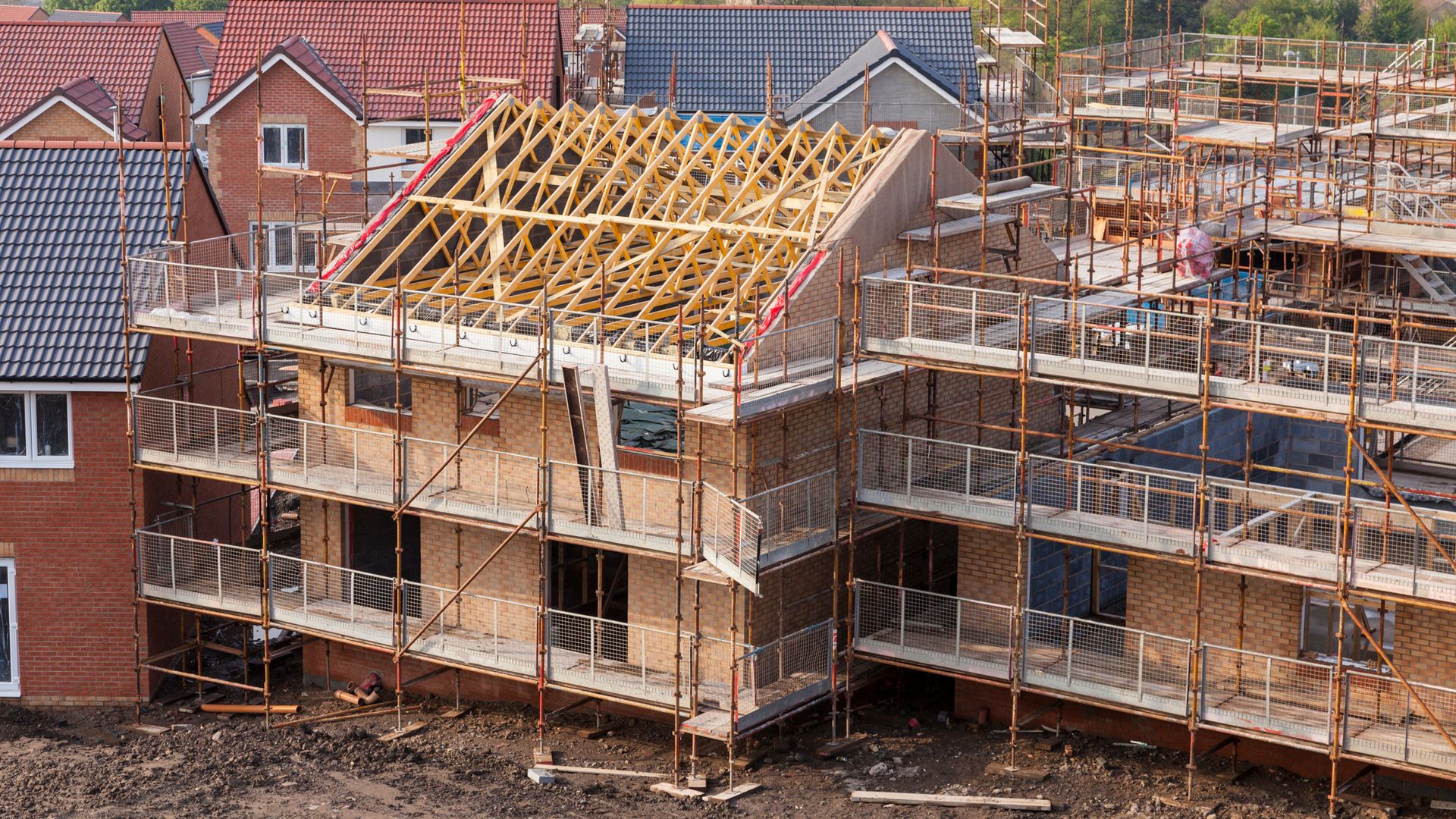
We hear the same warning every few months. Industry leaders stand in front of microphones, wave a bundle of terrifying statistics, and declare a "present-day emergency" in the housebuilding sector. They demand that the government step in, cut red tape, hand out cash, and fast-track planning permissions. They want hammers swinging and concrete pouring immediately.
But here is what they don't tell you. Pushing developers to build more houses using the exact same broken system is like trying to fix a leaky boat by pumping in more water.
The standard narrative says we just have a supply problem. If we build 300,000 homes a year, prices will magically drop, young buyers will suddenly secure mortgages, and the housing crisis will vanish. It's a nice story. It's also completely wrong. The real emergency isn't just about the volume of bricks being laid; it's about what we are building, where we are building it, and who actually profits when the keys change hands.
The Supply Myth and Where the System Breaks Down
When construction industry bodies lobby the government, they focus heavily on targets. They point to falling completion rates and blame the planning system for delaying projects. While it's true that planning departments are underfunded and buried in paperwork, using that as the sole excuse ignores how private developers actually operate.
Private housebuilders aren't charities. Their primary obligation is to their shareholders, not to first-time buyers struggling to scrape together a deposit. To keep profits high, developers rely on a tactic called build-out rate management. They release new homes onto the market slowly to ensure local prices don't drop. If they built everything at once, supply would spike and prices would soften. They won't let that happen.
Sky News research highlighted a massive geographic mismatch that targets alone can't fix. The acute crisis of affordability sits heavily in major urban centers and the surrounding commuter belts. Yet, blanket national targets often result in developers building profitable executive homes on greenfield land in areas where the infrastructure can't take it, while inner-city brownfield sites sit empty because they cost more to clean up and deliver lower profit margins.
The Invisible Red Tape Trapping Completed Homes
Building the structure is only half the battle. A bizarre bottleneck is developing where homes are physically built but completely unoccupiable. Think about the hundreds of completed flats sitting empty right now because they are stuck waiting for clearances from building safety regulators.
In the wake of necessary post-Grenfell safety overhauls, the bureaucratic machinery designed to inspect and sign off on high-density buildings has slowed to a crawl. Developers find themselves caught in a loop. They have followed the rules, built the units, and have buyers waiting with mortgages approved. But because the regulatory bodies lack the staff to process certifications quickly, those buildings remain expensive ghost towns.
This isn't a supply problem in the traditional sense. It's a regulatory paralysis problem. When construction companies cry emergency, they often want safety rules watered down. What they should be demanding is that the government adequately funds the regulatory bodies so inspections happen in weeks instead of months.
Affordable Targets Are Being Systematically Watered Down
Look at what happens to affordable housing quotas during a downturn. When market conditions tighten, developers sit down with local councils and re-negotiate their Section 106 agreements—the legal obligations to provide affordable units alongside luxury ones.
The developer claims that high material costs and high interest rates make the original affordable quota "unviable." To prevent the project from stalling entirely, local authorities almost always cave. The targets get watered down, the percentage of affordable homes shrinks, and the final development ends up serving the exact same wealthy demographic as before.
This is why letting the private market lead the strategy fails. When times are good, developers maximize profits. When times are bad, they cut the social benefits of their developments to protect their margins. Either way, the people who need housing the most get left behind.
The Real Steps Needed to Fix the Crisis
If the government wants to treat this like a genuine emergency, it needs to stop relying on private housebuilders to solve a social crisis. We need a fundamental shift in how housing is delivered.
- Fund local council planning and safety departments directly. You cannot speed up development safely while the public bodies responsible for checking the work are hollowed out by budget cuts.
- Penalize land banking. If a developer buys land with planning permission but sits on it for years to wait for prices to rise, they should face heavy, escalating tax penalties. Use it or lose it.
- Invest heavily in state-built social housing. The post-war housing boom succeeded because the government built homes directly. We need local authorities to build high-quality, energy-efficient social rent homes that are permanently insulated from market speculation.
The current system is designed to maintain high property values because that is what keeps developers profitable and banks secure. Until we stop treating houses purely as financial assets and start treating them as essential infrastructure, no amount of government pleading or target-setting will change the reality on the ground.
The UK housebuilding model is fundamentally misaligned with public need. For a broader perspective on how other nations are attempting to break through housing supply gridlocks using drastic state interventions, take a look at this look into proposed emergency housing legislation that analyzes whether simply building more units can ever truly solve a deep affordability crisis.