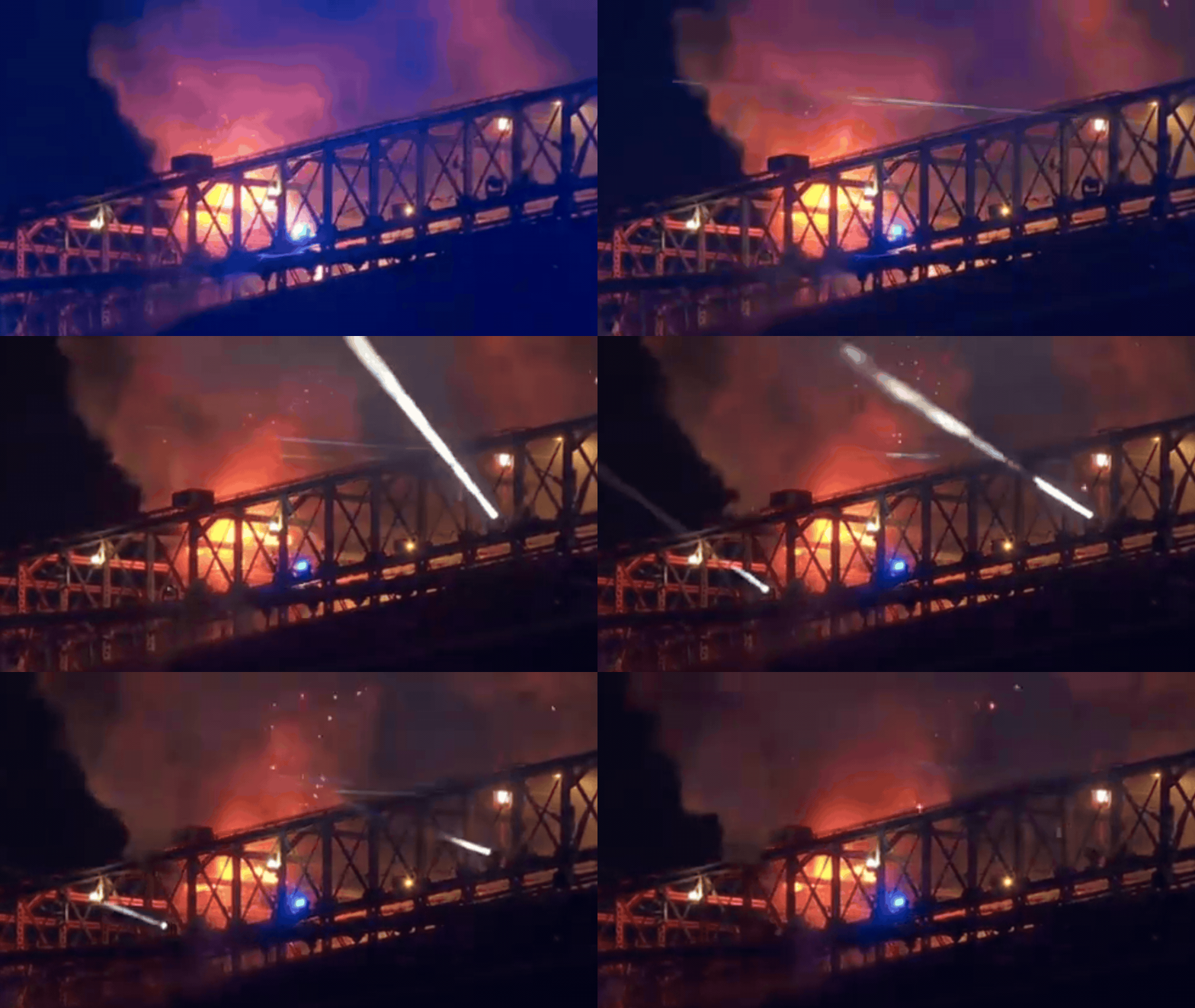
Social media blew up faster than the pyrotechnics themselves on Saturday night. If you scrolled through X or TikTok during the Macy's Fourth of July display, you probably saw terrifying videos of the iconic Brooklyn Bridge seemingly engulfed in flames. Thick black smoke billowed into the night sky while explosions cracked directly overhead. For a minute, it looked like a certified disaster. Eyewitnesses panicked. The internet did what it always does, which is blow things completely out of proportion.
The truth is way less apocalyptic. Also making news in this space: Why The New India Campaign For Unsc Non-permanent Seat Is A High Stakes Diplomatic Battle.
A few small fires broke out on the Manhattan-bound lane of the bridge right in the middle of the July 4 celebrations. The New York City Fire Department responded immediately, deploying two fire engines to handle what they officially classified as a rubbish fire. The flames burned out in about sixty seconds. Nobody got hurt. The bridge didn't suffer structural damage.
Still, seeing a national monument catch fire during the country's historic 250th anniversary celebration isn't exactly comforting. It raises huge questions about how these massive spectacles are managed, especially when severe weather scrambles the schedule. More insights regarding the matter are detailed by Al Jazeera.
What Actually Happened on the East River
The show had to start early. A nasty line of storms was hammering the East Coast, forcing cities from Washington D.C. to Boston to delay or cancel their events entirely. New York City officials decided to beat the weather. They pushed the launch time up to stay ahead of the rain and high winds.
As the display lit up the sky over the East River, fireworks were launched directly from the structure of the Brooklyn Bridge. This isn't unusual, but it carries inherent risks. Around 10 p.m., spectators noticed separate blazes igniting on the bridge deck. Mohamed Shaban, a tourist who watched the event, noted that it started small and grew rapidly, producing heavy black smoke. Witnesses reported seeing up to four distinct spots burning simultaneously, with some stray fireworks detonating right inside the smoke plumes.
FDNY crews were already stationed at the scene. Because the bridge is completely closed to public traffic and pedestrians during the show, firefighters had immediate access. They doused the flames quickly.
The Reality of Putting Fireworks on Historic Bridges
Putting tons of explosives on a suspension bridge built in 1883 sounds insane to the average person. It requires massive planning.
Pyrotechnic teams don't just lay fireworks on the road. They build temporary wooden platforms, launch racks, and protective shielding to safeguard the bridge structure. The FDNY expects small fires. When thousands of shells ignite, burning debris, cardboard casings, and protective packing material drop straight down onto the launch platforms.
If the wind catches this debris, it gathers in the lanes and creates small trash fires. Fire officials explicitly stated after the incident that these minor flare-ups are not unexpected. It's exactly why they enforce strict safety perimeters, keeping crowds hundreds of yards away from the launch zones.
Weather Pressures and the Rush to Launch
Managing a massive show like the Macy's display involves balancing safety with insane logistical pressure. On July 4, 2026, the threat of severe weather forced the organizers' hands.
When you rush a launch sequence to beat an incoming storm, the margin for error shrinks. High humidity and shifting pre-storm winds can push falling sparks back onto the launch pads instead of letting them drift harmlessly over the river. While the early start saved the show for millions of live viewers and television audiences, it created the perfect conditions for dropped embers to ignite the leftover packing materials on the bridge deck.
Engineering Marvel Meets Extreme Heat
People worry about the structural integrity of the bridge. The Brooklyn Bridge uses massive steel wire suspension cables and solid limestone towers. A brief fire fueled by cardboard and wooden pallets on the roadway cannot generate enough sustained heat to weaken the heavy steel infrastructure.
Steel needs to reach extreme temperatures over hours to lose its structural strength. A one-minute trash fire on the asphalt won't cut it. The Department of Transportation regularly inspects the bridge after these events to ensure no underlying systems, like electrical conduits or decorative lighting, suffered thermal damage.
The Cost of the Spectacle
This wasn't just any regular Independence Day. The United States celebrated its semiquincentennial, making the stakes higher than usual. Cities spent record budgets to outdo previous years.
With bigger budgets come bigger shells and more complex choreography. The Brooklyn Bridge serves as an incredible backdrop, but the complexity of rigging explosives to a heavily trafficked urban artery means minor incidents like Saturday's fire will keep happening.
You don't need to skip the live show next year. The systems in place worked exactly as intended. The fire department expected the risk, stationed engines right at the boundary, and killed the flames before the finale even ended.
If you plan to watch the display in the future, follow these simple safety steps. Stay behind the official NYPD barriers. Don't try to get onto closed approach ramps for a better view. Watch the wind direction, as falling ash can still irritate your eyes even blocks away from the river. Trust the fact that the city prepares for the worst long before the first spark lights up the sky.