You’re probably feeling a tiny bit of relief at the pump lately. It’s about time. After months of watching your bank account take a beating every time you filled up, gas prices finally took a step back. In fact, the upcoming consumer price index report is highly likely to show that overall inflation dropped in June, marking the first monthly decline in nearly four years.
But don't pop the champagne just yet.
While a temporary dip in energy costs makes for great headlines, it masks a much deeper, uglier truth about the US economy. True inflation isn't cured. It’s just hiding. With fresh geopolitical chaos brewing in the Middle East and sticky service prices refusing to budge, the financial relief you're feeling right now is incredibly fragile.
The June Inflation Relief is Real But Fragile
The government's latest inflation numbers are expected to show a 0.2% drop in consumer prices for June. That sounds small, but in the world of macroeconomics, it’s a big deal. It drags the annual inflation rate down to 3.9% from May’s uncomfortable 4.2%.
U.S. Inflation Trajectory (Mid-2026 Estimates)
May Annual Inflation: 4.2%
June Forecasted Annual Inflation: 3.9%
June Monthly Change: -0.2% (First drop in 4 years)
We haven't seen a month-over-month decline since the height of the pandemic recovery. For the Trump administration, this drop is a badly needed shield against mounting criticism over the cost of living. Yet, the reality on the ground remains harsh. Inflation is still sitting significantly higher than the cool 2.4% rate we saw before the current conflict with Iran broke out.
The Headline Numbers We are About to See
When the Labor Department releases the data, the headline figure is going to look great. Economists surveyed by FactSet are overwhelmingly betting on this downward shift. The primary driver is simple: cheap gas.
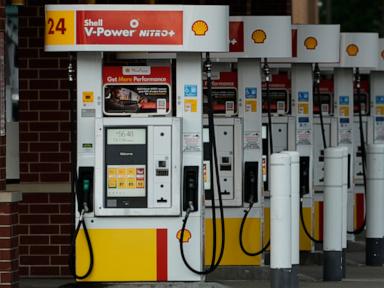
By late June, national average gas prices had slid nearly 20% from their painful late-May peak. That drop single-handedly pulled the entire consumer price index down with it. If you only look at the surface, you’d think we’re finally winning the war against rising prices.
Why Gas is Doing the Heavy Lifting
Energy prices have an outsized impact on headline inflation because they feed into everything. When fuel is cheaper, it costs less to ship goods to grocery stores, fly planes, and run warehouses.
But relying on gas to keep inflation down is a dangerous game. Energy is notoriously volatile. It reacts to global rumors, sudden shipping bottlenecks, and military skirmishes. In other words, basing your economic optimism on cheap gas is like building a house on a sandbar during hurricane season.
The Strait of Hormuz Shadow Over Energy Markets
While June looked good, July is already singing a different tune. The relief we felt last month is already evaporating because of what’s happening thousands of miles away in the Persian Gulf.
The Escalating Conflict with Iran
The brief window of declining oil prices slammed shut as combat with Iran flared back up. The Strait of Hormuz, the world's most critical oil transit chokepoint, has essentially turned into a geopolitical chessboard. Both the United States and Iran are claiming absolute control over the shipping lane.
The market reaction was swift. Brent crude, the international benchmark, surged nearly 10% in a single day, climbing past $83 a barrel. You can't have stable domestic inflation when the lifeblood of global industry is swinging wildly on daily war updates.
What Happens When Energy Prices Rebound
We’re already seeing the consequences of this renewed fighting at local gas stations. After hitting a low point, the national average for a gallon of regular gas crept up to $3.87. That's a seven-cent jump in just one week.
When energy spikes, it creates a domino effect. Airlines are already eyeing price hikes to cover rising jet fuel costs. Shipping companies are pricing in the risk of navigating dangerous waters. June's beautiful inflation decline might end up being a one-hit wonder.
Core Inflation is Still a Stubborn Beast
If you want to know where the economy is actually heading, you have to strip away gas and food. Economists call this "core inflation," and right now, it tells a very different story.
Core prices are expected to show a 0.2% monthly increase. Annually, that puts core inflation at 2.8%. While that's better than the wild peaks of recent years, it's still well above where policymakers want it to be. The underlying engine of inflation is still running hot.
The Sticky Services Dilemma
Why is core inflation so hard to kill? It’s because of services.
When you buy a car or a television, you’re buying a physical good. Those prices have actually started to decline. Used cars, which were the poster child for pandemic inflation, are finally getting cheaper. But when you go to a restaurant, get a haircut, visit the doctor, or buy concert tickets, you’re paying for labor and services.
These prices are incredibly sticky. Once a restaurant raises the price of a burger to cover higher wages, they rarely lower it. Right now, the cost of more than two-thirds of services in the US is still rising at a rate of 3% or more compared to last year.
The World Cup Price Spike is Real
To make matters more complicated, unique events are distorting the data. Take the World Cup matches currently happening across 11 US cities.
Millions of fans are traveling, booking hotel rooms, and dining out. This massive surge in local demand has sent hotel rates through the roof, artificially boosting service-sector inflation for the month. It’s a classic example of how real-world events keep pressure on consumer wallets, even when energy grids temporarily stabilize.
What This Means for Kevin Warsh and the Fed
All of this leaves the Federal Reserve in an incredibly tight spot. Kevin Warsh, who took over as Fed Chair on May 22, has made it clear that his main objective is returning inflation to its 2% target. But the path to get there is narrowing.
Key Fed Perspectives
Kevin Warsh (Chair): Laser-focused on the 2% target. He's keeping his cards close to his chest on rate direction.
Christopher Waller (Governor): Worried about core inflation rising from 3% to 3.4%. Warning that rate hikes might return.
John Williams (NY Fed): Believes core inflation staying at or below 0.2% monthly is the key to success.
Why Christopher Waller is Sounding the Alarm
Fed Governor Christopher Waller isn't hiding his anxiety. He recently pointed out that core inflation actually picked up speed earlier this year, climbing from 3% in December to 3.4% in May.
Waller was previously a proponent of cutting interest rates to help ease borrowing costs for Americans. Now, he's warning that the Fed might actually have to do the opposite. If core inflation doesn't show a sustained downward trend, another interest rate hike could be on the table.
For anyone hoping for cheaper mortgages or lower credit card rates this year, that is a cold shower.
Rate Cuts or Rate Hikes: The Hard Road Ahead
The Fed is playing a high-stakes game of economic chicken. If they raise rates to fight sticky service inflation, they risk tipping a fragile economy into a recession. If they cut rates too early to relieve pressure on borrowers, they risk letting inflation spiral out of control again, especially with oil prices threatening to surge.
The June CPI report will give them some breathing room, but it won't settle the debate. One good month of falling gas prices doesn't erase five years of above-target inflation.
How to Protect Your Wallet as Volatility Returns
You can't control the Federal Reserve, and you certainly can't control what happens in the Strait of Hormuz. But you can control how you manage your own money in a highly unstable environment.
Relying on the hope that inflation is permanently cured is a bad strategy. Here is how you should actually prepare for the second half of the year:
- Lock in fixed rates now: If you have variable-rate debt, like a home equity line of credit or credit card balances, prioritize paying them down or converting them to fixed rates. The threat of another Fed rate hike is very real if the Middle East conflict keeps pushing energy prices up.
- Audit your service spending: Since service-sector inflation is where the real pain is hiding, look closely at your recurring expenses. Gym memberships, streaming subscriptions, and dining out are the exact areas where businesses are quietly raising prices to protect their margins.
- Don't budget based on cheap fuel: If you managed to save some money on gas last month, don't absorb it into your lifestyle spending. Keep your fuel budget calculated at the higher end of the scale ($4.00+ per gallon) so a sudden spike doesn't derail your monthly cash flow.
- Keep your emergency fund liquid: With the global economy balancing on a knife-edge, having three to six months of living expenses in a high-yield savings account is your best defense against unexpected shocks.
June gave us a pleasant break from the relentless march of rising prices. But don't let a temporary drop in gas prices fool you into thinking the inflation battle is won. Keep your budget tight, stay defensive, and expect more turbulence ahead.