The NFL wants you to believe that the modern era of football is safe. They point to redesigned guardian caps, state-of-the-art helmets, and strict concussion protocols designed to pull players off the field the second they look dazed.
It sounds reassuring. It’s also completely missing the point.
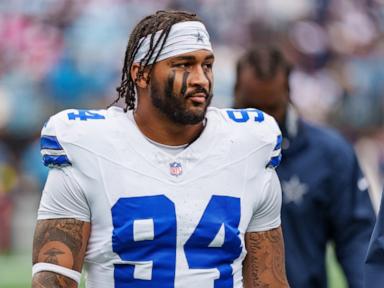
The post-mortem brain analysis of former Dallas Cowboys defensive end Marshawn Kneeland proves that our current safety measures are basically window dressing for a deeper issue. Kneeland, who tragically died by suicide in November 2025 at just 24 years old, was found to have Stage 1 Chronic Traumatic Encephalopathy (CTE).
He wasn’t a legacy player from the un-padded 1970s. He didn't spend decades taking unprotected hits. He played his entire life under the most stringent safety guidelines the sport has ever seen. Yet, his brain tissue already showed the telltale signs of degenerative disease.
If a 24-year-old second-round draft pick can develop CTE under the modern safety umbrella, we have to admit a hard truth. Concussion protocols don't stop CTE.
The Flaw in Modern Football Safety
When we think about brain injuries in sports, we usually focus on the big hits. The highlight-reel collisions that leave a player struggling to stand up.
That is what concussion protocols are designed to catch. But CTE is a completely different beast.
According to Dr. Chris Nowinski, CEO of the Concussion & CTE Foundation, the focus on concussions ignores the real culprit: repetitive sub-concussive impacts. These are the routine, everyday hits that don't cause a player to black out or show immediate symptoms. They happen on literally every single play at the line of scrimmage.
Consider the timeline of a modern professional player like Kneeland:
- Age 7: Started playing youth tackle football.
- College: Spent years banging heads at Western Michigan University.
- NFL: Selected by the Dallas Cowboys in the second round of the 2024 draft.
- Death: Passed away during his second NFL season in late 2025.
That’s nearly two decades of daily head contact. A helmet can absorb a massive blow to prevent a skull fracture, but it cannot stop the brain from sloshing around inside the skull during thousands of minor collisions. The micro-trauma accumulates day after day, year after year.
Half of Young Athletes Studied Have It
The most chilling statement following the diagnosis came from Dr. Ann McKee, director of the Boston University CTE Center. She admitted she wasn't surprised by Kneeland's results.
Why? Because her team has found this progressive brain disease in nearly half of the athletes they have studied who died before the age of 30.
Read that again. Nearly half.
"Thanks to the generosity of our brain donor families, we now better understand the earliest stages of CTE, and it is bringing us closer than ever to diagnosing it during life," McKee stated.
Right now, a definitive diagnosis requires a post-mortem brain tissue examination. Living players are left in a state of limbo, wondering if their mood shifts, memory lapses, or mental health struggles are the result of the game they love.
Kneeland's family, including his girlfriend Catalina Mancera—who recently gave birth to their son—shared the findings not to define his life, but to offer context to his silent battles. It’s a vital distinction. Researchers always emphasize that suicide is incredibly complex and multifactorial; CTE should never be pointed to as the single, direct cause. Instead, it acts as a heavy weight on an athlete's mental well-being, complicating existing vulnerabilities.
Why the Current Generation Remains at Risk
We’ve been told that things are getting better. The NFL implements new kickoff rules to reduce high-speed collisions. They fine players for lowering their helmets.
But the data doesn’t show a decline in risk for the younger generation. If you start taking hits at age seven, the damage is already well underway before you ever sign a college letter of intent, let alone an NFL contract. A 2018 study highlighted by researchers notes that kids who start playing tackle football before age 12 show CTE-related symptoms much earlier in life.
The league cannot engineering-control its way out of a problem baked into the sport's foundation. If the game requires large human beings to crash into each other to stop forward progress, head trauma will happen.
Actionable Steps to Reduce the Hit Count
If we want to protect the next generation of players, we have to look past the marketing of "safer helmets." Real prevention requires a fundamental reduction in how often players take hits.
Here is what needs to change immediately across youth, collegiate, and professional leagues.
Eliminate Youth Tackle Football Before High School
There is no logical reason for a seven-year-old to wear a hard plastic helmet and hit another child. Flag football teaches the same spatial awareness, catching, and running skills without the sub-concussive trauma. Delaying tackle football until the brain is more developed is the single easiest way to cut down a player's lifetime hit count.
Ban Contact Practices Out of Season
NFL teams have already cut back on padded practices, but collegiate and high school programs still rely heavily on full-contact drills to build "toughness." Limiting contact strictly to game days and minimal in-season preparation would eliminate hundreds of unnecessary head impacts per player every year.
Mandate Independent Neurological Tracking
Concussion protocols are handled by team-affiliated and independent spotters during games, but players need continuous, multi-year brain health tracking. Routine cognitive testing should be mandatory, independent of the team’s front office, to flag early warning signs of cognitive decline before a player steps back onto the field.
The tragedy of Marshawn Kneeland isn't just that a young talent is gone. It's that his diagnosis strips away the illusion that modern football has solved its brain injury crisis. Better gear won't save these players. Only a drastic reduction in total head impacts will.