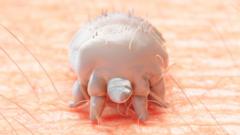
That pre-washed, bagged salad kit sitting in your fridge feels like a shortcut to a healthy lunch. It isn't. Right now, a microscopic parasite called Cyclospora cayetanensis is tearing through the United States, and your favorite summer produce might be harboring it.
Public health officials are scrambling. As of July 2026, a massive cyclosporiasis outbreak has hit over 30 states. The numbers are staggering, with more than 2,000 Americans sickened so far this summer. Michigan alone is facing an unprecedented crisis, logging over 1,500 cases—roughly 30 times what the state typically sees in an entire year. Ohio has crossed the 400-case mark, and the Centers for Disease Control and Prevention (CDC) warns that hospitalizations are climbing due to severe dehydration. Expanding on this idea, you can find more in: Why The Europe Heatwave Warnings Mean We Must Change How We Live.
If you think a quick rinse under the tap protects you, you're wrong. This parasite is incredibly sticky, stubbornly clinging to the nooks and crannies of fresh herbs, berries, and leafy greens. To protect yourself, you need to change how you handle summer produce immediately.
The Reality of Cyclosporiasis and Its Spread
Cyclosporiasis is a grueling gastrointestinal infection caused by ingesting food or water contaminated with microscopic human feces. Let's bust a common myth right away: you can't catch this directly from a sick family member. The parasite requires one to two weeks outside the body to mature into its infectious stage. Instead, the real culprit is large-scale agricultural contamination, often stemming from contaminated irrigation water or poor sanitation during harvesting. Observers at Healthline have also weighed in on this situation.
Once inside your gut, the parasite targets your small intestine. Symptoms generally hit about a week after exposure, though they can show up as early as two days.
The primary symptom is relentless, watery, and often explosive diarrhea. Unlike a standard 24-hour stomach bug, cyclosporiasis is famous for its exhausting, cyclical nature. You might feel better for a couple of days, assume you're in the clear, and then suddenly find yourself running back to the bathroom. Other common symptoms include:
- Severe abdominal cramps and bloating
- Intense fatigue that leaves you bedridden
- Nausea and a low-grade fever
- Loss of appetite leading to rapid weight loss
If left untreated, this misery can drag on for weeks or even months.
The High-Risk Foods You Should Avoid Right Now
Public health investigators from the FDA and CDC haven't pinned down a single grower or supplier for this current 2026 surge. However, historical data and current state tracking point directly to specific items eaten raw.
The physical structure of certain produce makes them perfect hiding spots for the parasite. Raspberries and blackberries have bumpy, porous exteriors that act like tiny Velcro patches for microscopic hitchhikers. Similarly, the tight folds of fresh herbs like basil and cilantro, along with the jagged edges of spinach and packaged salad mixes, easily trap contaminated water.
During an active, widespread outbreak with an unidentified source, your safest bet is to skip pre-washed bagged lettuce entirely. Dr. Natasha Bagdasarian, Michigan's chief medical executive, notes the long lag time between eating contaminated food and showing symptoms makes tracking tough. For now, buy whole heads of romaine or iceberg lettuce instead of convenient salad kits.
Upgrading Your Produce Defense Strategy
You can't rely on the agricultural supply chain to keep you safe. You have to take decontamination into your own hands.
First, ditch the bagged mixes and buy whole heads of leafy greens. When you get them home, immediately peel off and discard the outer two to three leaves. These outer layers take the brunt of field handling and environmental exposure.
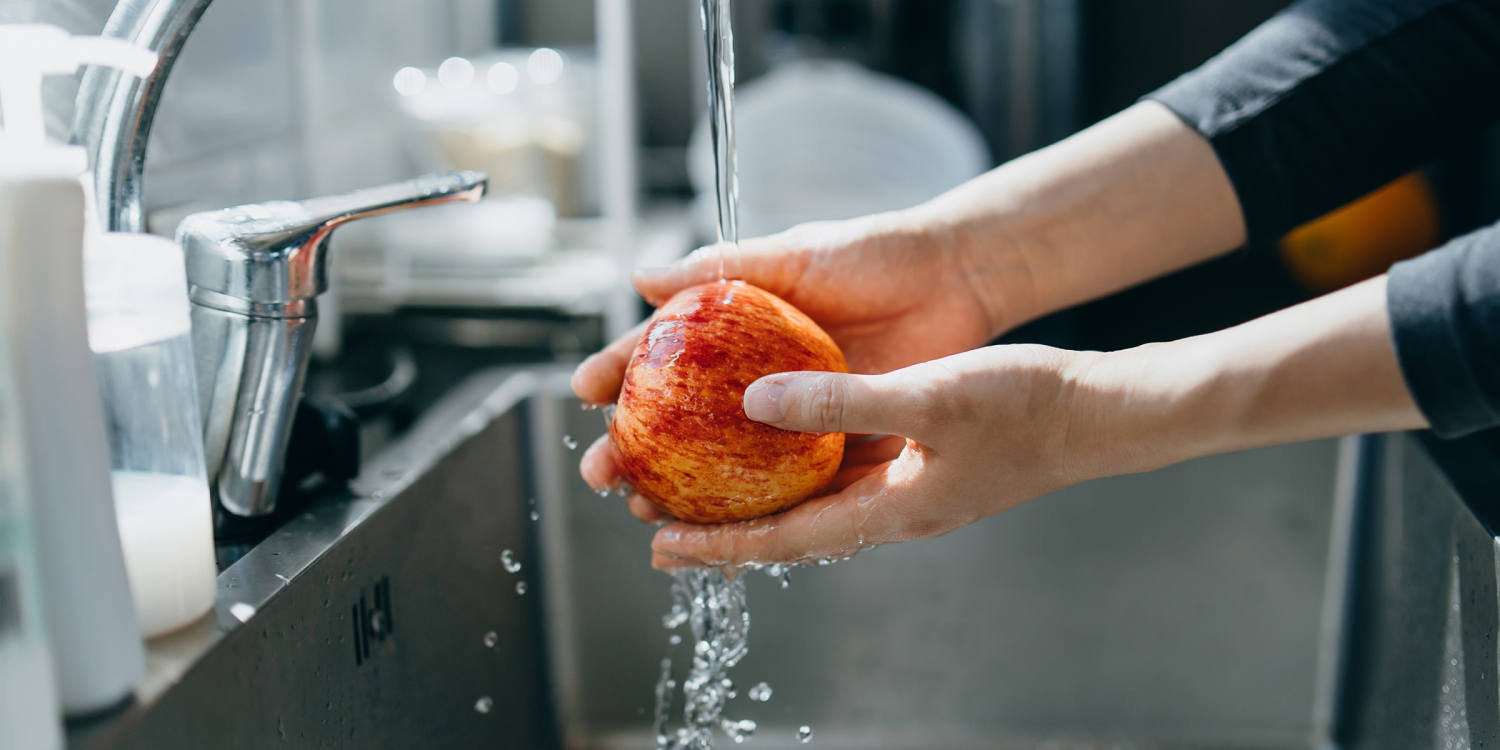
Next, stop doing a lazy three-second rinse. You need active friction. Wash your hands thoroughly with soap and water before touching your food. Then, wash your fruits and vegetables under cold, heavy running water. For firm produce like melons, cucumbers, and zucchini, use a dedicated vegetable brush to physically scrub away contaminants.
If you love your summer salads, invest in a reliable salad spinner. A smart routine is to submerge your greens in a deep bowl filled with a mix of distilled white vinegar and clean water, letting them soak for a few minutes. Afterward, transfer them to the spinner and spin them aggressively until they are completely dry. Removing excess moisture does more than just prolong shelf life; it prevents any lingering pathogens from thriving in a damp container in your fridge.
Honestly, the only foolproof way to completely eliminate the risk of Cyclospora is heat. The parasite dies when cooked to an internal temperature of 158°F (70°C). While you probably won't be grilling your strawberries or boiling your salad greens, consider cooking your spinach, snow peas, and fresh herbs into warm dishes until the current summer surge subsides.
When to Skip the Pharmacy and See a Doctor
If you find yourself running to the bathroom with persistent watery diarrhea that lasts more than three or four days, stop waiting it out. Standard over-the-counter anti-diarrheal medications like loperamide won't cure this infection; they merely mask the symptoms temporarily while the parasite continues to multiply in your gut.
Because this illness is parasitic, standard broad-spectrum antibiotics often fail to clear it. Doctors typically diagnose cyclosporiasis through specific stool tests and treat it with a targeted course of the antibiotic trimethoprim-sulfamethoxazole.
Pay close attention to signs of severe dehydration, which is the primary reason behind the 86+ hospitalizations reported by the CDC this season. If you experience excessive, unquenchable thirst, dizziness when standing up, dry mouth, or a significant decrease in urination, seek medical evaluation immediately.
Your immediate next step is clear: go to your refrigerator right now. Toss out any pre-washed, bagged salad kits or unwashed open bowls of berries. Swap them for whole produce, grab a firm scrubbing brush, and commit to washing every single raw ingredient under heavy running water before it touches your plate.