Tehran is drowning in a sea of black and red banners. After four months of waiting, the Islamic Republic is finally staging the state funeral of its late Supreme Leader, Ayatollah Ali Khamenei. If you think this is just another somber state event, you're missing the bigger picture. This is a massive, high-stakes political operation.
The world has been watching Iran closely since February 28, 2026, when a joint US-Israeli air strike targeted Khamenei's compound in Tehran, killing him and several family members. For months, his body sat in secure storage while a brutal war raged across the region. Now, a fragile ceasefire has opened a window for the regime to pull off a multi-city send-off.
It's an absolute logistical and security nightmare. Millions of mourners are pouring into Tehran's Grand Mosalla religious complex. Foreign envoys are landing by the dozen. The regime needs to show the world it's still completely in control, even after losing its ultimate authority figure. Here's what's actually happening on the ground and why the next few days will shape the future of the Middle East.
The Four Month Delay and the Cold Storage Reality
Putting a supreme leader's burial on ice for over 120 days isn't standard practice. Islamic tradition demands swift burials, usually within 24 hours. Iran had to throw that rulebook out the window. Active bombardment and chaotic wartime conditions made a massive public gathering impossible back in March.
Rumors flew everywhere. People on social media claimed the body had been buried secretly in Qom. Regime officials had to step out publicly to deny the gossip. Iman Attarzadeh, the spokesperson for the funeral committee, clarified that the bodies of Khamenei and his slain family members were preserved under strict religious and legal guidelines without being buried.
They waited for a pause in the fighting. Now that the preliminary deal to halt the conflict is holding, the regime is moving fast. They've ordered grocery stores in Tehran to stay open 24 hours a day. They've distributed 50 million loaves of bread to feed the incoming crowds. They even installed free fiber-optic internet hotspots at ten major gathering zones so people can blast images of the funeral across the globe. This isn't just grief. It's a calculated projection of state power.
Why Tehran is Terrified of Another Crowd Crush
Regime officials are sweating over crowd control. They're genuinely terrified of a mass casualty event caused by their own supporters. Iran has a horrific track record with major state funerals, and those past disasters are heavy on everyone's minds right now.
Think back to 1989. When the Islamic Republic's founder, Ayatollah Ruhollah Khomeini, died, the funeral turned into complete anarchy. Millions of distraught people surged toward the coffin. The crowd literally tore the burial shroud to pieces, and security forces lost control. Officials had to deploy a helicopter to pull the body out of the chaos, re-shroud it, and try again the next day.
Then came 2020. The funeral for military commander Qasem Soleimani in his hometown of Kerman ended in another tragedy. A massive stampede broke out, killing at least 56 people and injuring hundreds more. The burial had to be put on hold.
To stop history from repeating itself, the government is executing a massive security blueprint. Gholamhossein Mozaffari, the governor of Razavi Khorasan Province, has already hinted that helicopters will monitor the crowds from above to manage the human waves. Tehran province has cleared out 5,000 mosques and 700 schools just to house the incoming pilgrims safely. Security teams are blocking roads, checking IDs, and enforcing tight perimeters around the Grand Mosalla. They want an orderly, televised spectacle, not a stampede.
The High Stakes Diplomacy and the Empty Chairs
The guest list for this funeral tells you exactly where Iran's geopolitical alliances stand in 2026. Delegations from nearly 100 nations are heading to Tehran, but the specific names reveal a lot about the current global divide.
Pakistan's Prime Minister, Shehbaz Sharif, is attending. Pakistan has been acting as a key go-between for the US and Iran during recent peace talks, so his presence is highly strategic. High-level representatives from China, Russia, and Afghanistan are also arriving to show solidarity. Russia's Dmitry Medvedev is among the high-profile figures expected to pay respects.
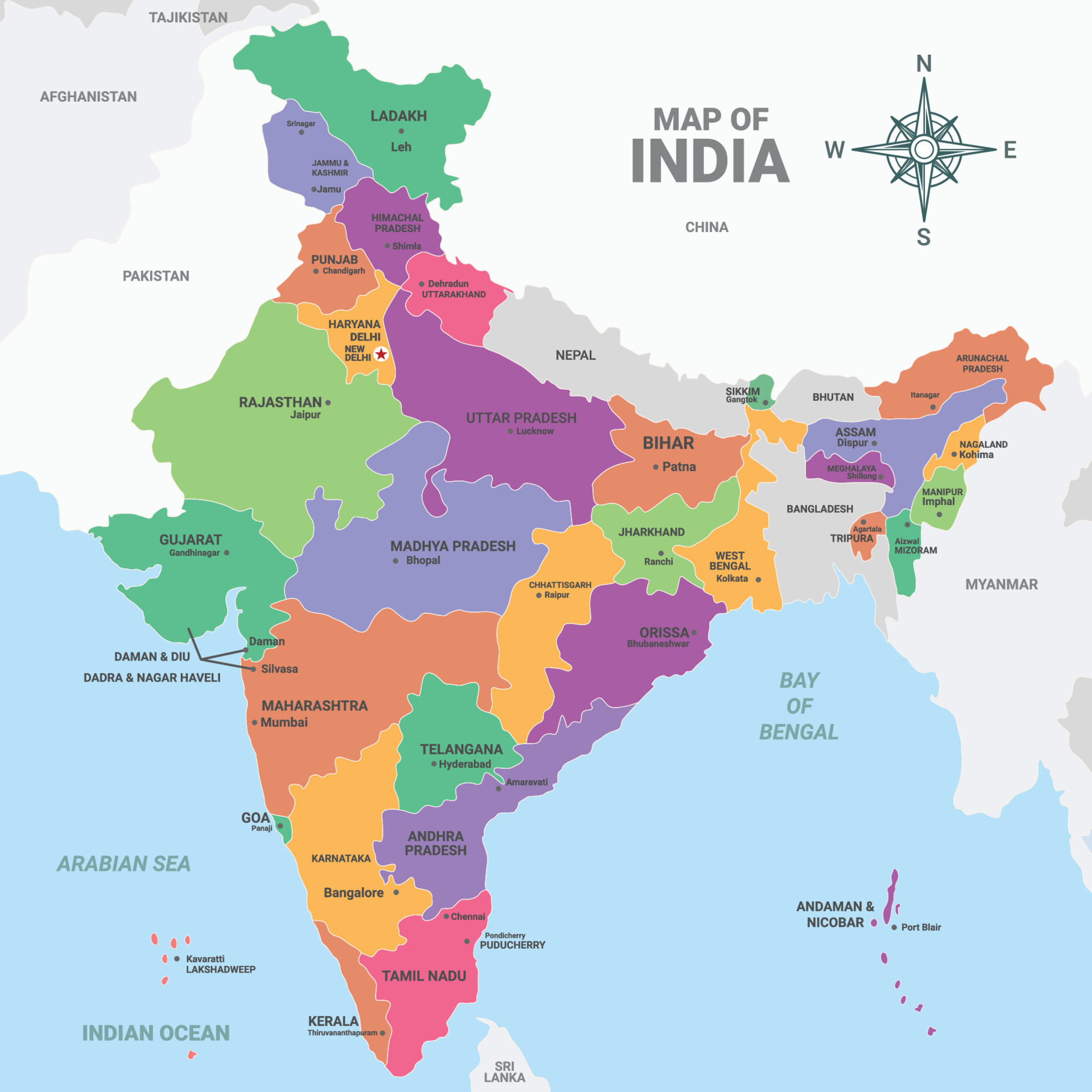
Then there's India's complicated balancing act. Iranian President Masoud Pezeshkian sent a formal invitation to Indian Prime Minister Narendra Modi. Modi declined, opting instead for a pre-planned tour of Indonesia, Australia, and New Zealand. It's a classic diplomatic sidestep. India doesn't want to alienate its Western partners by sending its top leader to a state funeral for a regime it has clashed with, but it also can't afford to completely sever ties with Tehran.
Instead, India sent a balanced delegation. Bihar Governor Syed Ata Hasnain and Deputy Foreign Minister Pabitra Margherita are representing the government. Opposition leaders received invitations too. Congress leaders Salman Khurshid and Pawan Khera are making the trip, alongside Jammu and Kashmir People's Democratic Party leader Mehbooba Mufti. It keeps the channels open without making a massive geopolitical statement.
A Changing of the Guard Under a Fragile Ceasefire
The funeral procession isn't staying in Tehran. It's an intense, multi-city journey designed to rally the Shia faithful across borders. The coffin will travel to the Iraqi holy cities of Najaf and Karbala, drawing huge crowds there, before heading back to Iran for rites in Qom. The final burial happens on July 9 at the spectacular shrine of Imam Reza in Mashhad, Khamenei's birthplace.
But look past the grand processions and the fiery speeches demanding vengeance. The real story here is the political transition happening behind closed doors. This funeral is the first major public test for Iran's new Supreme Leader, Mojtaba Khamenei.
Mojtaba, the late leader's son, was quietly elected to the top spot by the Assembly of Experts on March 8, just over a week after his father's assassination. He's been a ghost ever since. He hasn't appeared in public throughout the entire four-month war. Speculation about his health, his safety, and his actual grip on power is hitting a fever pitch. Will he show up at the Grand Mosalla to lead the prayers, or will he stay hidden in a secure bunker?
If Mojtaba stays out of sight, it signals deep anxiety within the Islamic Revolutionary Guard Corps about security and internal stability. If he steps into the spotlight, it marks the definitive start of a new era for Iran.
The regime is using the official motto "Must rise" to fire up its base. Parliament Speaker Mohammad Bagher Ghalibaf openly called for the crowd to make their demands for vengeance ring in the ears of the world. They're trying to use public grief to legitimize a new, untested leader while navigating a highly volatile ceasefire with the West.
Watch the crowd sizes, notice who stands next to the coffin, and look closely at whether Mojtaba Khamenei finally shows his face. The theater playing out on the streets of Tehran this week will tell you everything you need to know about where the regime is heading next. Keep tabs on independent regional live feeds over the next 48 hours to see if the tight security measures actually hold up against the massive crowds.