Australia’s traditional foreign policy alliances are breaking down in the court of public opinion. For decades, Canberra has aligned itself closely with Western powers and democratic allies, treating countries like Israel as fundamental partners while keeping authoritarian states like China at an arm's length. New polling numbers show that ordinary citizens see things very differently now.
The latest Guardian Essential poll reveals a stunning shift in public sentiment. Australians now hold a more negative view of Israel than of China. It’s a massive realignment that would have seemed impossible a few years ago. The survey of 1,017 voters shows that Israel’s favourability has crashed hard, sitting at just 19%. Meanwhile, China—a nation routinely framed by local politicians and media as the primary regional security threat—outpaces Israel with a 24% favourability rating.
This isn't an isolated blip. It matches broader data from the Pew Research Center and the Lowy Institute showing a widespread collapse of trust in traditional allies across the board. The public is fatigued by overseas conflicts, and they're pushing back against the official line coming out of Canberra.
The Numbers That Explode the Canberra Consensus
Let's look at the raw data because the details are eye-opening. The poll didn't just ask about one or two countries. It forced respondents to rate their attitudes toward a long list of global players.
The United Kingdom still tops the list. It holds a 53% favourability rating, followed closely by European nations at 47% and Ukraine at 41%. From there, the drop-off is steep.
Only 29% of Australians view the United States positively. That's a brutal number for a nation that forms the cornerstone of Australia's defence strategy through the ANZUS treaty and the AUKUS submarine deal. China sits at 24% favourability. Palestine follows at 21%. Israel lands near the bottom at a meager 19%. The only nations viewed less favourably than Israel are global pariahs like Syria at 15%, Russia at 13%, and Iran at 11%.
When you flip the metric to measure outright negativity, the picture gets even worse for Israel. The highest negative ratings belong to Iran and Russia, both tying at 57%. Israel comes in right behind them, with 46% of Australians expressing a negative or very negative attitude toward it. Syria sits at 44%, and Palestine is at 41%.
Think about that for a second. Nearly half the Australian population views a democratic, historic ally in the same negative bracket as authoritarian regimes and state sponsors of terror. That is a massive public relations disaster for the diplomatic establishment.
Why Israel Lost the Australian Public
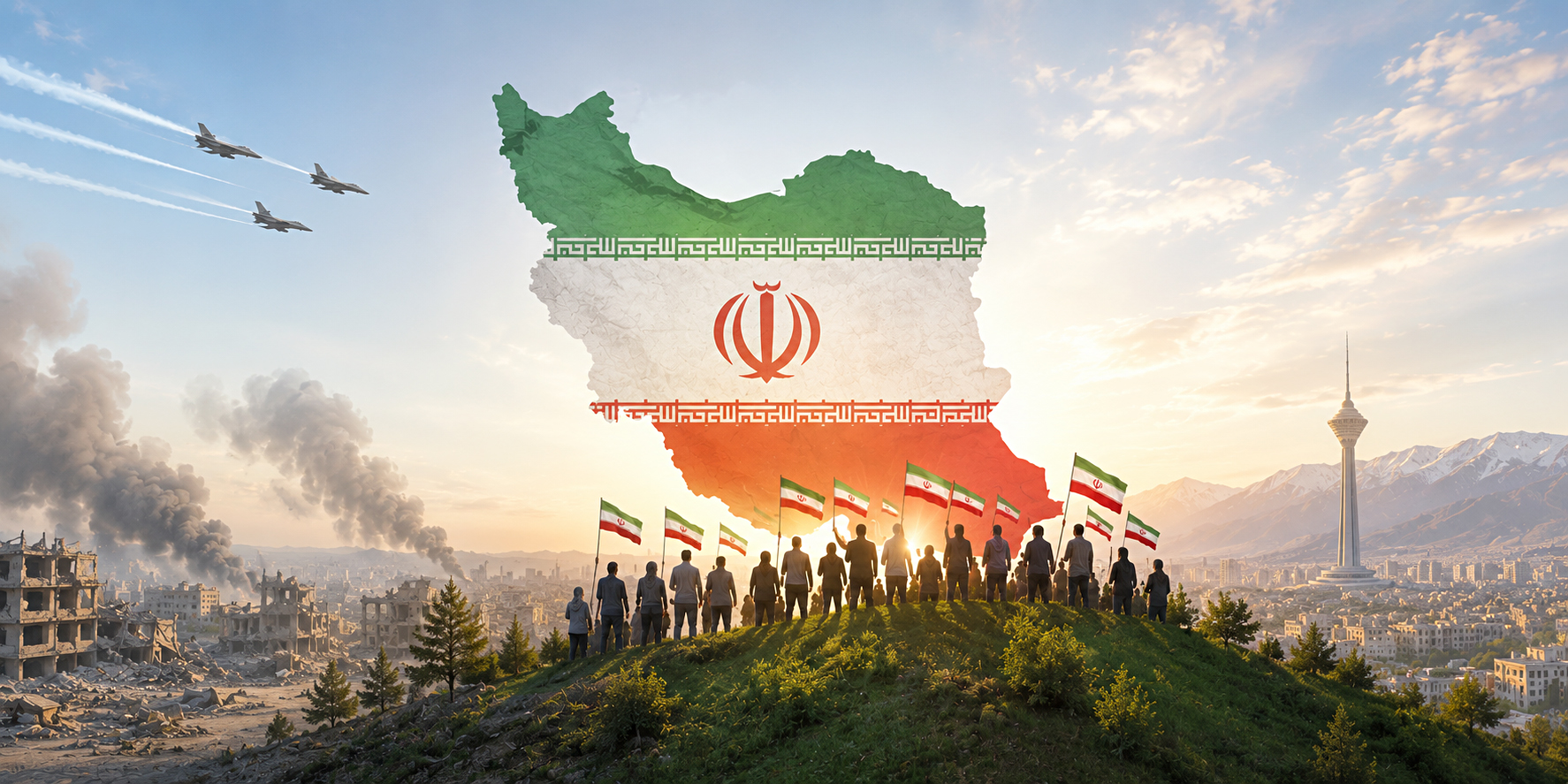
Politicians like to pretend public opinion shifts at random, but this trend has clear drivers. The data shows that women and middle-aged demographics hold the least positive perceptions of Israel. Why? Because the relentless imagery of the devastating wars in Gaza, Lebanon, and Iran has taken a massive toll on public sympathy.
Australians watch the nightly news. They see the destruction. They hear about allegations of war crimes, including ongoing federal police assessments regarding Australian citizens serving in the Israel Defense Forces. The humanitarian cost has alienated a population that usually defaults to supporting Western-aligned democracies.
Another massive factor is the generational divide. While older Australians who remember the twentieth-century history of the Middle East remain somewhat split, younger generations have completely checked out of the traditional alliance narrative. Recent Pew Research data from mid-2026 backs this up, showing that an astonishing 87% of Australians aged 18 to 34 hold an unfavourable view of Israel. Only 11% in that bracket view it positively.
Young people don't see Israel through the lens of historical vulnerability. They see it through the lens of asymmetric military power. They view the conflict through social media feeds filled with raw, unfiltered footage. The political left in Australia has almost entirely turned its back on the country, with 94% of left-leaning voters expressing negative views. But it isn't just the left. Even among right-leaning voters, a 55% majority now holds an unfavourable view of Israel. This is a total systemic shift across the political spectrum.
The Donald Trump Factor and the Collapse of US Trust
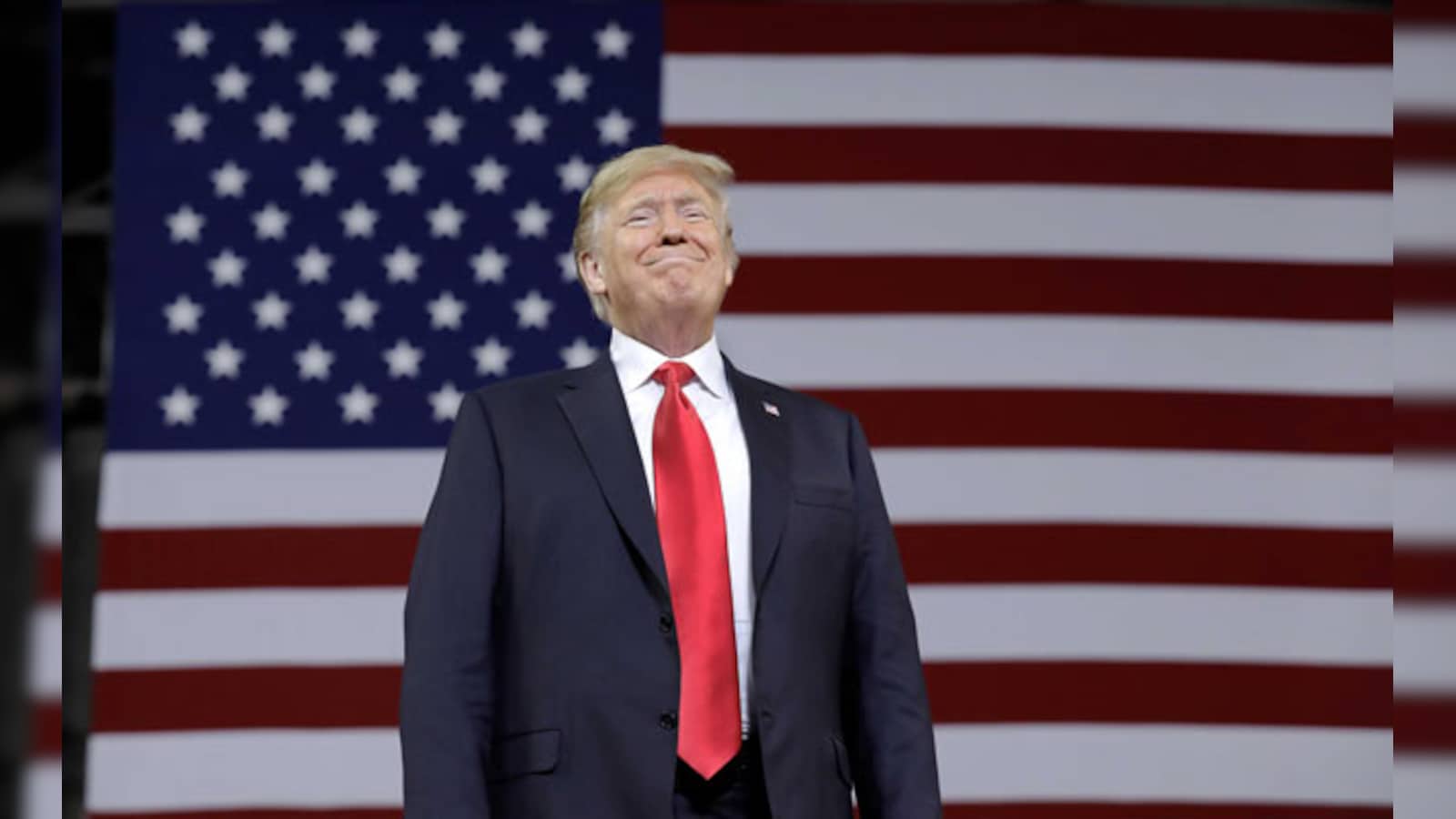
You can't separate the shift in attitudes toward Israel from the collapse of trust in the United States. The Guardian Essential poll shows that Australian perceptions of Donald Trump have nose-dived since his re-election. Less than a third of respondents view the US president positively.
The Lowy Institute Poll from late June 2026 highlights this exact trend. Trust in the US to act responsibly in the world has plunged to 31%. That is the lowest level in the entire history of Lowy’s tracking. Just two years ago, in 2024, that number was 25 points higher.
Look at how the gap between the world's two major superpowers has compressed in the minds of Australians. In 2022, 65% of Australians trusted the US, while only 12% trusted China—a massive 53-point gap. Today, US trust is at 31%, and China’s trust has risen to 28%. The gap is down to just three points.
Australians are looking at the US-led global order and deciding they don't want a bar of it. Trump's erratic foreign policy, combined with America's unwavering military support for the war in Iran and Gaza, has soured the Australian public on the value of Washington's leadership. If you don't trust the superpower backing the alliance, you're highly unlikely to look favourably on the regional partners that superpower supports.
The Media Disconnect and the China Paradox
The most fascinating part of these poll results is the complete disconnect between the media narrative and public sentiment regarding Beijing. For years, Australian media outlets have run non-stop commentary about the "China threat." We've seen front-page stories warning of imminent war, foreign interference scandals, and endless debates over trade reliance.
Yet, despite this constant barrage of negative press, the Australian public views China more favourably than Israel. China’s favourability rose eight points over the last year alone.
This tells us that the public is capable of separating economic and regional realities from political rhetoric. While nobody is rushing out to praise Beijing's human rights record, Australians recognize that China is their largest trading partner. They see a country that, despite diplomatic freeze-outs and trade disputes, represents stability for the Australian economy.
On the flip side, Israel represents volatile, open-ended warfare that threatens to drag the West into an unresolvable global conflict. The public looks at China and sees a complex economic partner. They look at Israel and see a non-stop source of global instability. The media tried to manufacture consent for one worldview, but the public chose another.
What This Means for Canberra's Political Class
The Anthony Albanese Labor government, and whatever government follows it, has a massive problem. There is a yawning chasm between the bipartisan foreign policy consensus in Canberra and the views of the people who vote those politicians into office.
Both major parties remain firmly committed to the US alliance, the AUKUS pact, and strong diplomatic ties with Israel. They routinely issue statements condemning antisemitism and defending Israel's right to self-defence, even while expressing minor diplomatic concerns about civilian casualties. But the public has left them behind.
When 46% of voters view a key ally negatively, politicians can't ignore it forever without paying a price at the ballot box. We've already seen internal fractures within the Labor party over its Middle East policy, with backbenchers panicked about losing inner-city seats to Green candidates who take a hardline anti-Israel stance. These poll numbers will only accelerate that panic.
Where Public Opinion Goes From Here
Public sentiment is leading the way, and the political elite will eventually have to follow or risk losing total credibility. The idea that Australia can blindly anchor its global identity to Washington and its network of allies is dying.
If you want to understand where Australian foreign policy is heading, look at the generational data. The older generation of politicians who view the world through a Cold War lens is aging out. The younger cohort of voters sees a multipolar world where traditional Western alliances carry high moral and financial costs with very little return.
The next step isn't a sudden alignment with China or a formal break with the US. Instead, expect a messy, reluctant shift toward a more independent, transactional foreign policy. Australia will likely start putting more diplomatic distance between itself and controversial actions taken by its allies. The public has made its voice clear. They want an Australia that focuses on its own neighborhood, values economic stability, and refuses to give a blank check to foreign wars.
Key Takeaways from the 2026 Guardian Essential Poll
- The Core Shift: Australians hold a more negative view of Israel than of China, reversing years of diplomatic assumptions.
- The Favourability Ratings: Israel sits at 19% favourability, trailing China at 24% and the United States at 29%.
- The Negative Outlook: 46% of Australians view Israel negatively, placing it just behind Russia and Iran (57%).
- The Generational Divide: 87% of young Australians aged 18 to 34 hold an unfavourable view of Israel.
- The US Collapse: Trust in the United States has dropped to an all-time low of 31%, driven by the re-election of Donald Trump and ongoing foreign conflicts.